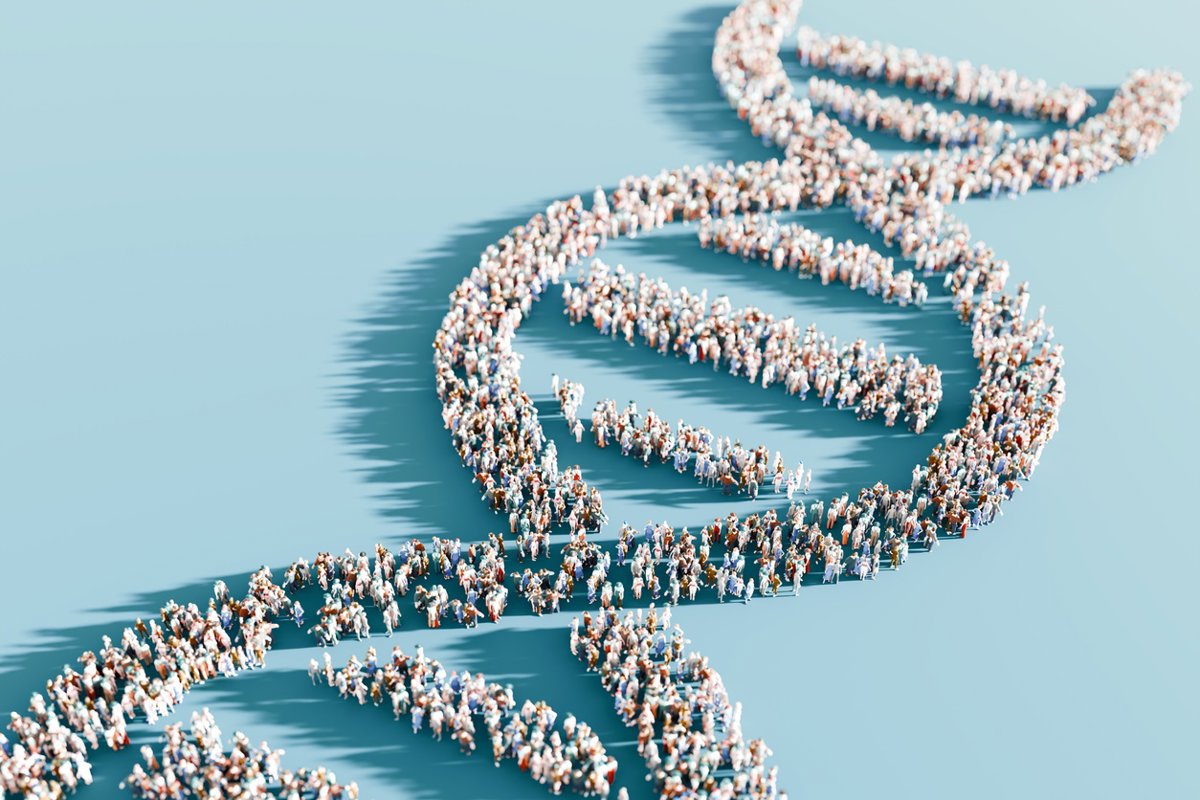
For decades, the prevailing narrative surrounding chronic illness has often been one of biological destiny. Many individuals accept a diagnosis of diabetes, obesity, or certain cancers as an inevitable consequence of their lineage, viewing their genetic code as an unchangeable blueprint for their health. However, Dr. María Berdasco, an expert in molecular biology, is challenging this fatalistic perspective, arguing that the influence of epigenetics on health proves that our genetic inheritance is not a predetermined sentence.
As the head of the Epigenetic Therapies group at the Josep Carreras Leukaemia Research Institute in Barcelona, Dr. Berdasco warns that the belief in “inevitable” hereditary disease is more than just a scientific misunderstanding—This proves a public health risk. By attributing all illness to genetics, society risks diminishing the perceived importance of personal habits and environmental conditions, effectively reducing the responsibility individuals and policymakers have toward preventative care.
The shift in understanding from strict genetics to epigenetics marks a critical evolution in medical science. While DNA provides the sequence, epigenetics determines how those genes are expressed. This distinction transforms the conversation from one of “what we are born with” to “how we live with what we were born with,” offering a pathway toward more effective prevention and control of chronic conditions.
Beyond the Genetic Blueprint: Reality vs. Excuse
The idea that we simply “inherit diseases” is a simplification that Dr. Berdasco describes as dangerous. While it is a scientific fact that genetics play a role in susceptibility, she emphasizes that the majority of diseases are not strictly inherited. Instead, they result from a complex interplay between genetic predisposition and a variety of external factors.

According to Berdasco, the “hereditary excuse” can lead to a dangerous complacency. When a patient believes their health outcomes are fixed by their ancestors, they may be less inclined to adopt lifestyle changes that could potentially mitigate those risks. This mindset shifts the focus away from modifiable behaviors—such as diet, exercise and stress management—and toward a sense of helplessness.
this perspective impacts the broader landscape of public health. When diseases are viewed solely through the lens of heredity, there is less pressure to address the social and environmental determinants of health. This includes factors such as pollution, urban planning, and socioeconomic disparities, all of which can trigger the expression of certain genes.
The Science of Epigenetics and Gene Expression
To understand why heredity is not destiny, one must understand epigenetics. This branch of biology studies the chemical modifications that can turn genes “on” or “off” without altering the actual DNA sequence. Essentially, while the “text” of the genetic code remains the same, the “annotations” in the margins change based on our environment, and behavior.
Dr. Berdasco’s expertise in this field is rooted in extensive academic training. She earned her Master’s in Biology with Honors from the University of Oviedo in 2001 and completed her PhD in 2005 through a joint program between the University of Oviedo and the Centro de Investigaciones Biológicas-CSIC in Madrid. Her doctoral research specifically focused on the role of epigenetics, providing the foundation for her current operate in leukemia research and epigenetic therapies.
The ability of the environment to modify gene activity means that the “fatalistic” view of inheritance is scientifically outdated. Epigenetic changes are often reversible, meaning that positive changes in lifestyle or environment can potentially lead to a more favorable expression of genes, thereby reducing the risk of disease manifestation.
Preventing Chronic Disease Through Environmental Control
The practical application of this knowledge is most evident in the fight against chronic diseases. Dr. Berdasco highlights that understanding the balance between genetic and environmental factors is vital for the prevention and management of conditions such as:
- Diabetes: Where genetic predisposition may exist, but lifestyle factors often trigger the onset of the disease.
- Obesity: A condition heavily influenced by the interaction between metabolic genetics and environmental triggers.
- Certain Cancers: Where epigenetic modifications caused by toxins or habits can lead to malignant cell growth.
By moving away from the assumption that “everything is in the genes,” medical professionals can better incentivize patients to develop positive life changes. This approach empowers the patient, transforming them from a passive recipient of a genetic legacy into an active participant in their own health maintenance.
Key Implications for Public Health Policy
The insights provided by Dr. Berdasco suggest a need for a systemic shift in how healthcare policy is designed. If environment and behavior are primary drivers of gene expression, then public health must prioritize the following:
- Addressing Social Determinants: Creating policies that reduce exposure to environmental toxins and improve access to healthy food and safe exercise spaces.
- Promoting Epigenetic Research: Increasing funding for studies that explore how specific environmental triggers modify the human genome.
- Educational Campaigns: Dismantling the myth of genetic inevitability through public awareness campaigns that emphasize the influence of epigenetics on health.
The Path Forward in Molecular Biology
The work being conducted at the Josep Carreras Leukaemia Research Institute represents the cutting edge of this effort. By focusing on epigenetic therapies, researchers are looking for ways to “reprogram” the expression of genes to treat diseases that were once thought to be untreatable or inevitable.
The transition from a genetic-centric view of medicine to an epigenetic-centric one allows for a more nuanced understanding of human health. It acknowledges the biological starting point provided by our parents but emphasizes the lifelong process of interaction between our biology and our world.
As research continues to uncover the mechanisms of gene expression, the goal remains clear: to move toward a model of medicine that is not just reactive to inherited conditions, but proactive in managing the environment and habits that define our health outcomes.
For those seeking more information on the intersection of genetics and environment, official updates on epigenetic research are typically released through institutional directories and scientific journals specializing in molecular biology.
World Today Journal encourages readers to share this article and comment below on how understanding epigenetics has changed your perspective on hereditary health.
- CVS Chief Medical Officer on Rebuilding Vaccine Trust After COVID-19
- One Year After National Women’s Health Strategy: No Clear Plan and Lacking Urgency
- Robot-Assisted Surgery Transforms Cancer and Complex Disease Treatment at Tam Anh General Hospital (world-today-news.com)
- Why Hitting Your Funny Bone Hurts So Much (daybreakwire.com)