
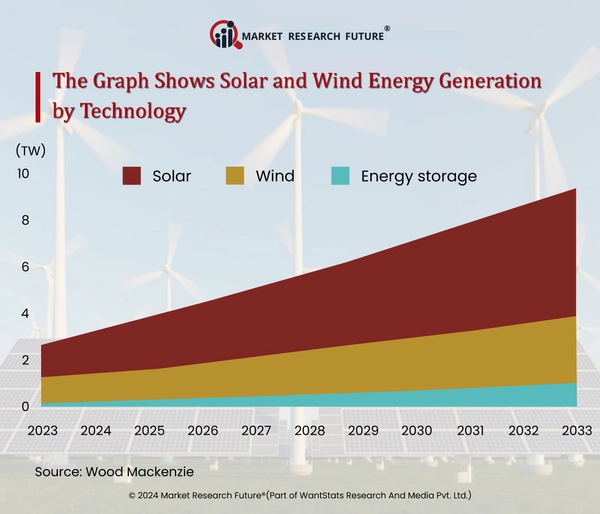
As the global transition toward renewable energy accelerates, the reliability and variability of power grids have become central themes in the discourse surrounding utility-scale infrastructure. In Germany, the integration of wind and solar energy—often referred to as Erneuerbare Energien—continues to reach significant milestones, shaping the landscape of the European electricity market. However, the intermittent nature of these sources frequently creates a complex environment for grid operators and market participants alike, leading to persistent questions about supply security and price stability.
For those tracking the Federal Network Agency (Bundesnetzagentur) data, the volatility inherent in weather-dependent generation requires sophisticated balancing mechanisms. When wind and photovoltaic generation reach collective peaks—sometimes hitting figures between 40,000 and 50,000 MWh in specific reporting windows—the resulting influx of power can trigger extreme price fluctuations, challenging the equilibrium of the merit-order effect. This phenomenon is a primary driver of the uncertainty often discussed in energy market briefings, as traders and utility providers navigate a system that is increasingly decentralized yet highly interconnected.
The Challenge of Grid Integration
The primary challenge for modern grid management lies in the “duck curve” effect and the broader necessity of storage solutions. As intermittent generation continues to rise, the gap between peak production and base-load demand requires more than just transmission capacity; it requires a fundamental shift in how electricity is stored and distributed. According to the International Energy Agency (IEA), the scaling of grid-scale battery storage is essential to mitigating the price volatility that occurs during periods of high renewable output.

When wind and solar generation surge, the supply can temporarily outpace demand, leading to negative pricing in wholesale markets. For market participants, this creates an environment where planning becomes difficult, and the long-term profitability of assets—both traditional and renewable—is subject to intense scrutiny. The uncertainty stems from the fact that while renewable capacity is expanding, the infrastructure to “smooth” these peaks remains in the deployment phase.
Market Dynamics and Price Volatility
Market observers often point to the correlation between weather patterns and spot market prices. When high-pressure systems move across Europe, the resulting calm, sunny conditions can lead to a surge in solar output, while low-pressure systems bring the wind necessary to drive turbines. The combination of these technologies is intended to provide a complementary generation profile, yet the stochastic nature of weather means that “peaks” of 40,000 to 50,000 MWh are not uniform or predictable on a long-term basis.
This variability is a significant factor in the European Network of Transmission System Operators for Electricity (ENTSO-E) reporting, which tracks the cross-border flow of electricity. As countries become more reliant on shared grid capacity, the “uncertainty” mentioned in industry reports often refers to the risk of congestion or the unexpected need for redispatch measures—where grid operators must manually intervene to prevent overloading local lines.
Key Factors Influencing Market Uncertainty
- Intermittency: The fundamental reliance on meteorological conditions means that generation is never guaranteed, requiring constant balancing.
- Storage Capacity: The current lack of sufficient long-duration energy storage (LDES) forces the grid to export or curtail excess energy during peak production.
- Grid Congestion: Physical limitations in transmission lines often prevent the efficient movement of power from high-generation regions (often in the north) to high-demand industrial hubs.
- Policy Uncertainty: Shifting regulatory frameworks regarding subsidies and carbon pricing continue to influence investment decisions across the sector.
Looking Ahead: The Role of Digitalization
To manage these peaks and valleys, the energy industry is increasingly turning to artificial intelligence and predictive modeling. By utilizing high-resolution weather forecasting and real-time grid telemetry, operators are better equipped to anticipate the 40,000+ MWh generation spikes before they occur. This digitalization is not merely a technical upgrade; it is a prerequisite for a decarbonized energy market.
As we look toward the next quarterly report from the Federal Ministry for Economic Affairs and Climate Action, the focus will likely remain on the expansion of transmission grids and the integration of smart-metering technologies. For consumers and industry players, the path forward requires a balance between rapid expansion of renewables and the development of a robust, flexible grid architecture that can withstand the variability of the modern energy mix.
We encourage our readers to monitor official updates from national grid regulators for the most accurate data regarding daily generation statistics and grid stability warnings. If you have insights or experiences regarding the shifting energy market in your region, feel free to join the conversation in the comments section below.