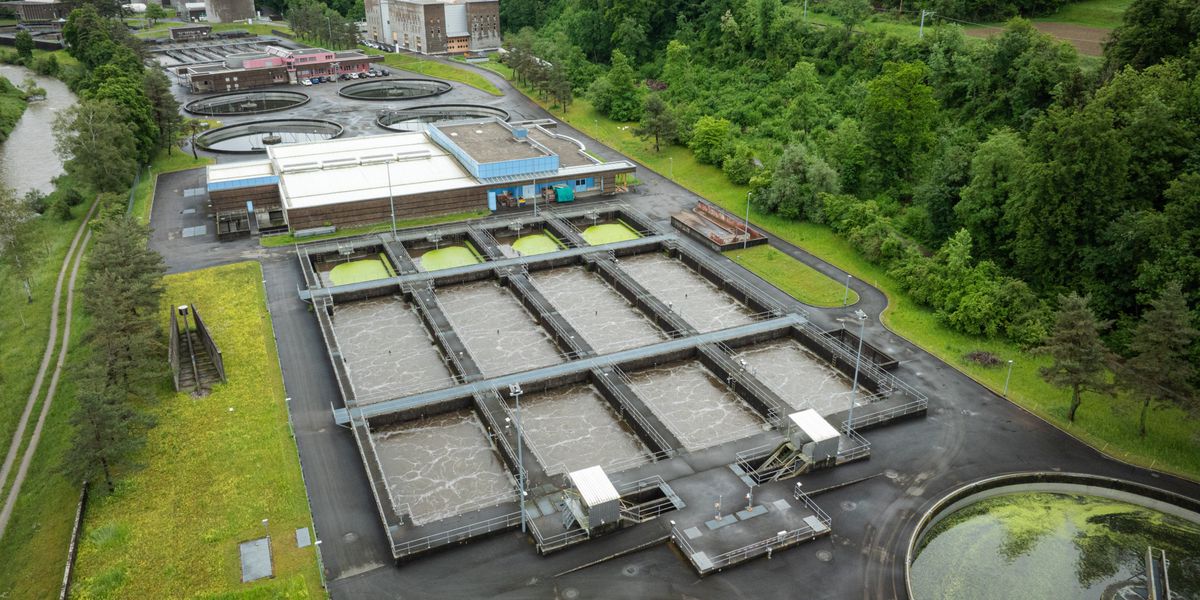
Agricultural advocates in Winterthur have successfully triggered a public referendum to challenge the planned expansion of the city’s primary wastewater treatment plant, the ARA Hard. The move comes after local farmers expressed significant concerns over the environmental and agricultural trade-offs required to modernize the facility.
According to official communications from the city of Winterthur, 604 valid signatures were submitted to oppose the development plan (Gestaltungsplan) previously approved by the city parliament. This total exceeds the required threshold of 500 signatures, ensuring that the final decision on the expansion will be put to a public vote. The city council is expected to determine the specific date for the referendum at a later time according to reports from Baublatt.
The dispute highlights a complex tension between the necessity of upgrading critical urban infrastructure and the preservation of protected natural landscapes. Whereas the city views the expansion as a technical necessity, the farming community views the current plan as a threat to both local forests and high-value agricultural land.
The Conflict: Forests vs. Fertile Farmland
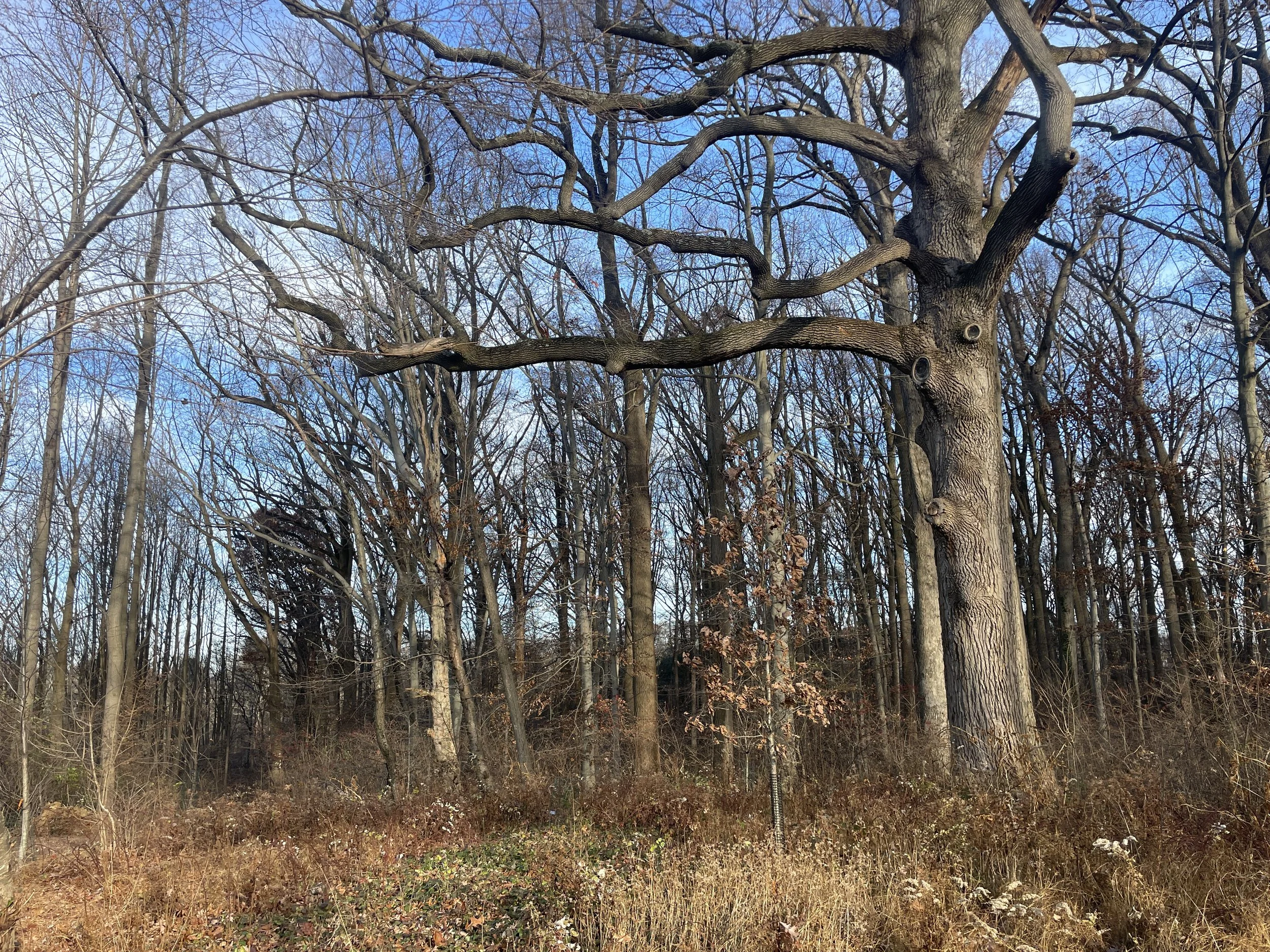
At the heart of the opposition is a contentious land-use strategy. The proposed expansion of the ARA Hard requires the removal of a section of the adjacent Hardwald forest to make room for new sand traps and primary sedimentation tanks. To offset this loss of woodland, the city proposed an afforestation project in the nearby Niederfeld area.
However, this solution has created a secondary conflict. The Niederfeld area consists of “Fruchtfolgefläche”—highly fertile crop rotation areas that are strictly protected under Swiss law to ensure food security. By converting this farmland into forest, the city would then be required to compensate for the loss of that fertile land elsewhere, creating a cycle of land displacement that farmers find unacceptable. In response, the agricultural community formed the Interessengemeinschaft zum Schutz der Fruchtfolgeflächen der Stadt Winterthur (IG FFF), an interest group dedicated to protecting these vital crop rotation areas as detailed by Schweizer Bauer.
Federal Mandates and Environmental Necessity
The drive to expand the ARA Hard is not merely a local preference but is tied to national environmental mandates. The facility is one of the ten largest wastewater treatment plants in Switzerland, processing approximately 20 billion liters of wastewater annually for more than 140,000 people per Baublatt data.
The plant currently serves the city of Winterthur and 12 neighboring municipalities, with plans to integrate additional municipalities in the medium term. Due to its size, the Swiss federal government has mandated that the facility implement a new cleaning stage to filter out “micropollutants.” These include residues from pharmaceuticals, hormones, and cosmetics that standard treatment processes often fail to remove, posing a risk to aquatic ecosystems.
Key Technical and Operational Details
| Metric | Detail |
|---|---|
| Annual Processing Volume | Approx. 20 billion liters |
| Population Served | 140,000+ residents |
| Service Area | Winterthur + 12 municipalities |
| National Ranking | Among the 10 largest ARAs in Switzerland |
| New Requirement | Micropollutant filtration stage |
What the Development Plan Entails
The “Gestaltungsplan ARA Hard” serves as the blueprint for how the facility can be expanded both structurally and landscape-wise. It provides the legal and technical framework for building areas, essential infrastructure, access roads, and the technical installations required for the new filtration stages. Beyond the concrete and pipes, the plan includes mandates for ecological upgrades and specific measures to protect the surrounding landscape.
The goal of the city parliament was to implement an expansion that is urbanistically and ecologically compatible. However, the referendum suggests that the balance between “technical compatibility” and “agricultural preservation” has not yet been reached to the satisfaction of the local land managers.
Next Steps for Winterthur
With the referendum successfully triggered, the project now moves from the administrative phase to the political phase. The city council must now schedule a date for the public vote, which will decide whether the current development plan proceeds or if the city must return to the drawing board to find a solution that does not involve the loss of protected crop rotation areas or the deforestation of the Hardwald.
The outcome of this vote will likely serve as a precedent for how other large-scale Swiss infrastructure projects balance federal environmental mandates with strict local land-protection laws.
Next Checkpoint: The city council (Stadtrat) is expected to announce the official voting date for the referendum in the coming months.
Do you believe infrastructure needs should outweigh land protection laws, or should the city find an alternative site? Share your thoughts in the comments below.
Worth a look