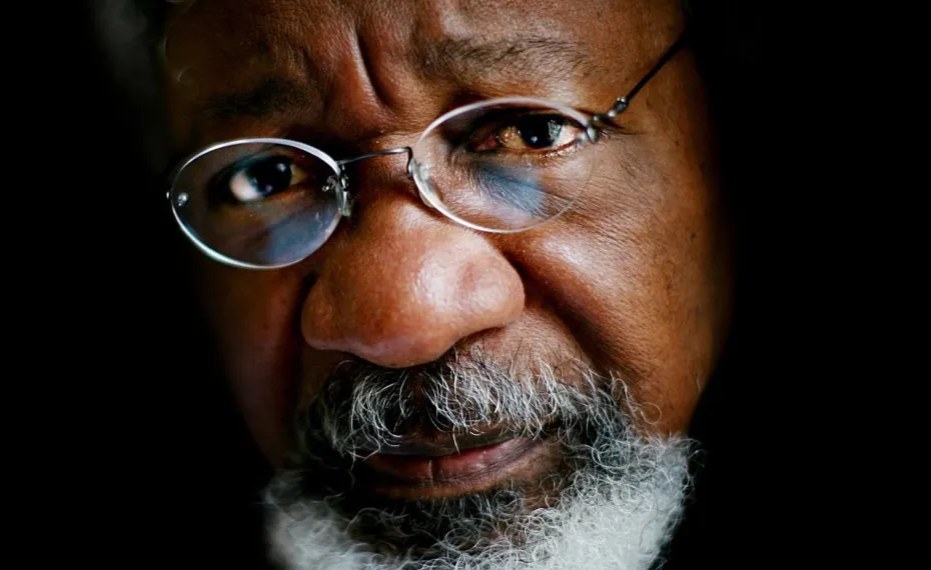
Wole soyinka Visa Revocation: A Deep Dive into the Situation and Broader Implications
Renowned Nobel Laureate Wole Soyinka has revealed he is currently barred from entering the United States following the unexpected revocation of his visa. The celebrated playwright and activist expressed confusion over the decision, stating he is unaware of any actions that would warrant such a measure. This development raises questions about evolving U.S. travel policies and their impact on prominent international figures.
The Revocation & Soyinka’s Response
Speaking at a press briefing held at Kongi’s Harvest gallery, Freedom Park in Lagos, Nigeria, Soyinka announced his visa was no longer valid. He stated plainly,”I have no visa; I am banned,obviously,from the united States.” He proactively informed the public to avoid wasted travel plans for any engagements planned in the U.S.
The U.S. Consulate in Lagos formally notified Soyinka of the revocation on October 23rd, citing authority within U.S. Department of State regulations. He is currently reviewing his history with the U.S. to understand the rationale behind the decision, emphasizing he has no criminal record.
Initially, Soyinka suspected the notification was a scam. “At first, I thought it was advance-fee fraud… I had never received that kind of letter from any embassy. I even thought maybe AI generated it,” he told PM News. He had also declined a request from the Consulate for a visa reassessment, finding the timing and interaction suspicious.
Context: Shifting U.S. Visa Policies for Nigerians
This situation unfolds against a backdrop of increasingly restrictive U.S. travel policies impacting Nigerian citizens. In July, the U.S. Embassy in Nigeria announced a significant shift: most non-immigrant visas would be issued as single-entry with a validity of just three months. This is a ample reduction from the previous five-year, multiple-entry permits.
Reports also suggest a pattern of quiet visa revocations for Nigerian citizens, with the embassy citing only that “new details became available after the visa was issued” – offering little in the way of specific explanation.This lack of openness is fueling concern and speculation.
Understanding Soyinka’s Visa Type
Soyinka held a B1/B2 visa, commonly used for temporary business or tourism travel. This type of visa doesn’t typically carry the same scrutiny as long-term or work-related visas, making the revocation even more perplexing to the Nobel Laureate.
Implications and Potential Concerns
the revocation of Soyinka’s visa is noteworthy for several reasons:
* Prestige & Symbolism: Soyinka is a globally respected intellectual and advocate for human rights. Barring him from entry sends a possibly damaging signal.
* Lack of transparency: The absence of a clear explanation from the U.S. government raises concerns about due process and fairness.
* Broader Trend: This incident reinforces the perception of a tightening of U.S. immigration policies towards Nigeria,potentially impacting academic,cultural,and business exchanges.
* Potential for Misinterpretation: Without clear communication, the revocation could be misconstrued as a political statement.
Soyinka,despite his confusion,remains hopeful for clarification. He has maintained cordial relations with U.S. diplomatic officials throughout his career.
What does this mean for you? If you are a Nigerian citizen planning travel to the U.S., it’s crucial to stay informed about the latest visa regulations and be prepared for potential delays or increased scrutiny. You should also ensure all your documentation is meticulously accurate and up-to-date.
This situation is developing, and further information will be crucial to understanding the full implications of this decision. we will continue to monitor and report on updates as they become available.