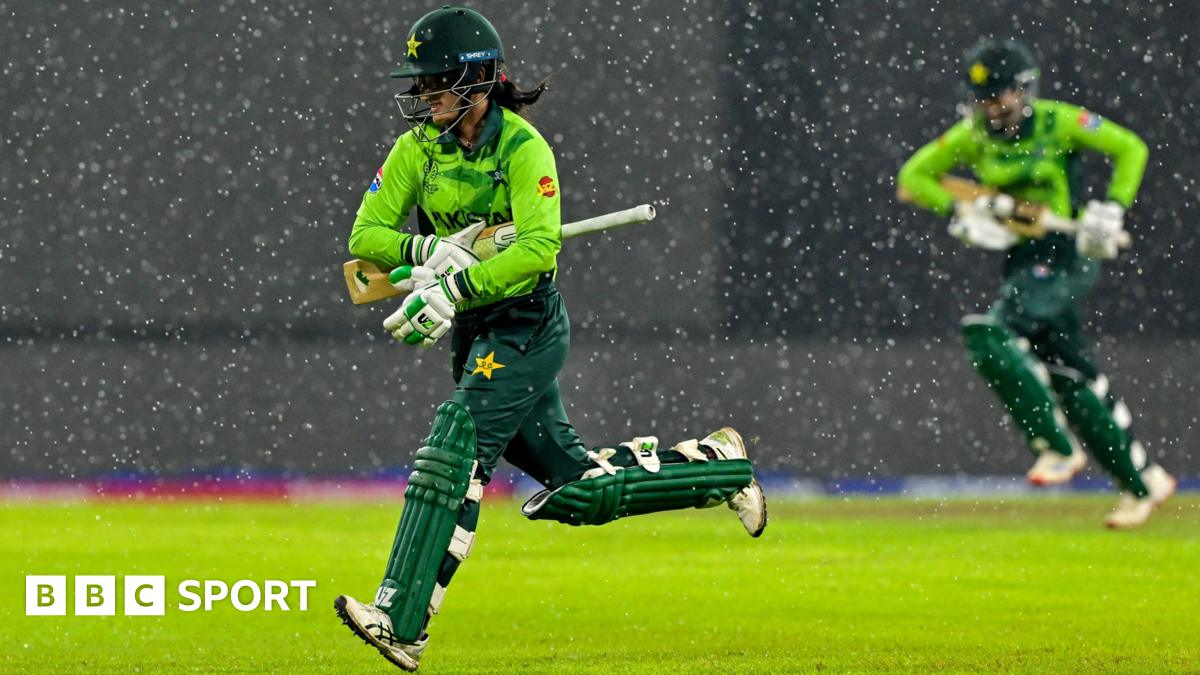
The Unseen Opponent: How Rain Shadowed the 2024 women’s Cricket World Cup
The 2024 Women’s Cricket World Cup, played amidst Sri Lanka‘s monsoon season, will be remembered not just for stunning plays and emerging talent, but also for the frustrating intervention of rain. This unpredictable element dramatically altered the course of the tournament, leaving seasoned players facing possibly career-ending disappointments and raising questions about scheduling in the face of climate realities.
The impact was acutely felt by Sri Lanka captain Chamari Athapaththu. During their match against Pakistan, a downpour began in the fifth over. While players rushed for cover, Athapaththu initially remained on the field, seemingly willing the skies to clear. It was a poignant moment for a player who has, for over a decade, shouldered the hopes of Sri Lankan cricket.
Athapaththu, nearing 36, may have played her final World Cup game. For a player of her caliber, a rain-affected exit feels especially cruel. “I tried to control what I can,” she stated after the match, a sentiment echoing the helplessness felt by many. Despite the possibility of this being her last World Cup appearance, she remains determined to continue playing.
A Tournament Defined by Disruption
This World Cup highlighted a growing concern in international cricket: the increasing impact of weather on scheduling.Several matches were abandoned or significantly shortened due to rain, denying players the opportunity to showcase their skills on the world stage.
Consider the experience of New Zealand captain Sophie Devine. She fought back tears during a press conference following her team’s elimination by India. Devine, 35, has announced her retirement from ODI cricket after New Zealand’s final group game against England.
The rain proved to be the White Ferns’ biggest obstacle. Abandoned matches against Pakistan and Sri Lanka in Colombo left them needing victories against India and England to stay in semi-final contention. Thursday’s defeat against India ultimately dashed those hopes.
* Impact of Abandoned Matches: Reduced playing time limits opportunities for teams to build momentum.
* Psychological Toll: Uncertainty and disruption can negatively effect player morale and performance.
* Fairness Concerns: Rain-affected matches can lead to results that don’t accurately reflect a team’s capabilities.
Ultimately,when the world champions are crowned on November 2nd,many will argue that the outcome wasn’t solely determined by skill and strategy,but also by the whims of the weather.
Looking Ahead: Addressing the Challenges
The 2024 World Cup serves as a critical case study for future tournament planning.What can be done to mitigate the impact of unpredictable weather?
Here are some potential solutions:
- Strategic Scheduling: Consider choice tournament windows that avoid peak monsoon seasons.
- improved drainage Systems: Invest in better ground infrastructure to facilitate quicker resumption of play after rain.
- Revised Playing Conditions: Explore adjustments to Duckworth-Lewis-Stern (DLS) calculations to ensure fairer outcomes in rain-affected matches.
- Reserve Days: Implement more frequent use of reserve days to guarantee completion of key matches.
- Indoor Facilities: Invest in indoor training and potentially even match facilities to provide a backup option during severe weather.
These changes aren’t simply about convenience; they’re about respecting the dedication and hard work of the athletes who dream of competing on the world stage.
evergreen insights: The Growing Professionalization of Women’s Cricket
The challenges faced during the 2024 world Cup also underscore the rapid growth and professionalization of women’s cricket. Players are increasingly demanding fair playing conditions and greater support.This is a positive progress, signaling a shift towards a more equitable and enduring future for the sport.
you’re witnessing a generation of athletes who are not only incredibly skilled but also vocal advocates for their rights and the future of the game. This increased visibility and advocacy are crucial for attracting investment, expanding opportunities, and ensuring that women’s cricket continues to thrive.
Frequently Asked Questions About the 2024 Women’s Cricket World Cup & rain Delays
Q: How does rain affect the Duckworth-Lewis-Stern (DLS) method in cricket?
A: The DLS method is used to set revised targets
Related reading