
For decades, the Strait of Hormuz has served as the world’s most critical maritime chokepoint, a narrow artery through which the lifeblood of the global economy—crude oil—flows. However, recent geopolitical shifts suggest that the volatility once associated with this waterway is no longer a series of isolated tremors, but a permanent feature of the global energy landscape.
As tensions between Iran and Western powers persist, the ability of Tehran to project influence over this vital passage has evolved from a periodic threat into a structural reality. This shift is fundamentally altering how global markets perceive energy security, moving the conversation from “if” a disruption will occur to “how much” the constant threat of disruption will cost the world economy.
The implications are profound. For energy traders, policymakers, and industrial consumers, the “Strait of Hormuz risk” is becoming a permanent line item in the cost of doing business. The geopolitical reality is clear: Iran’s maritime leverage is not a passing phase; it is a cornerstone of Middle Eastern power dynamics that will influence global oil prices for the foreseeable future.
The Geography of Vulnerability: Why the Strait Matters
To understand why Iran’s influence is so potent, one must first understand the unforgiving geography of the Strait of Hormuz. This narrow waterway, connecting the Persian Gulf with the Gulf of Oman and the Arabian Sea, is the only sea exit for the massive oil-producing nations of the Gulf. At its narrowest point, the shipping lanes are only about two miles wide in each direction, separated by a two-mile buffer zone.
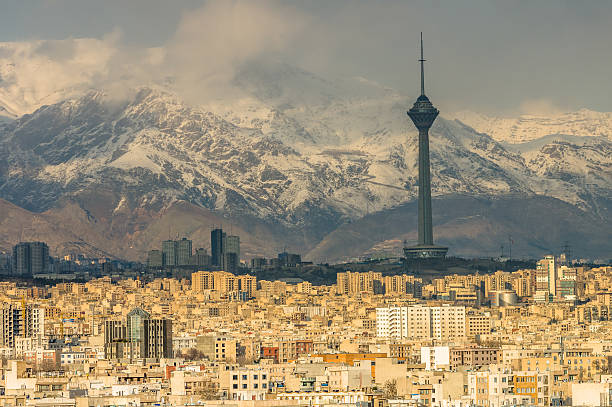
The scale of the transit is staggering. According to the U.S. Energy Information Administration (EIA), approximately 20% of the world’s total liquid petroleum consumption passes through this chokepoint. This includes a significant portion of the liquefied natural gas (LNG) supply for major Asian economies. Because so much of the world’s energy supply is concentrated in such a confined space, even a minor disruption can trigger disproportionate shocks across global markets.
This concentration creates a “single point of failure” for the global energy supply chain. For major importers like China, India, Japan, and South Korea, the Strait is not merely a shipping route; it is a strategic lifeline. Any attempt to constrict this flow serves as an immediate lever of geopolitical pressure that can bypass traditional diplomatic channels and strike directly at the heart of industrial stability.
Asymmetric Leverage: Iran’s Naval Strategy
Iran has demonstrated a sophisticated understanding of asymmetric warfare, utilizing its geographic proximity to the Strait to offset the conventional naval superiority of international task forces. Rather than engaging in direct, large-scale naval confrontations, Tehran relies on a doctrine of “denial and disruption.”
Central to this strategy is the Islamic Revolutionary Guard Corps Navy (IRGCN). Unlike the regular Iranian Navy, the IRGCN is optimized for the shallow, cluttered waters of the Persian Gulf. Their arsenal includes:
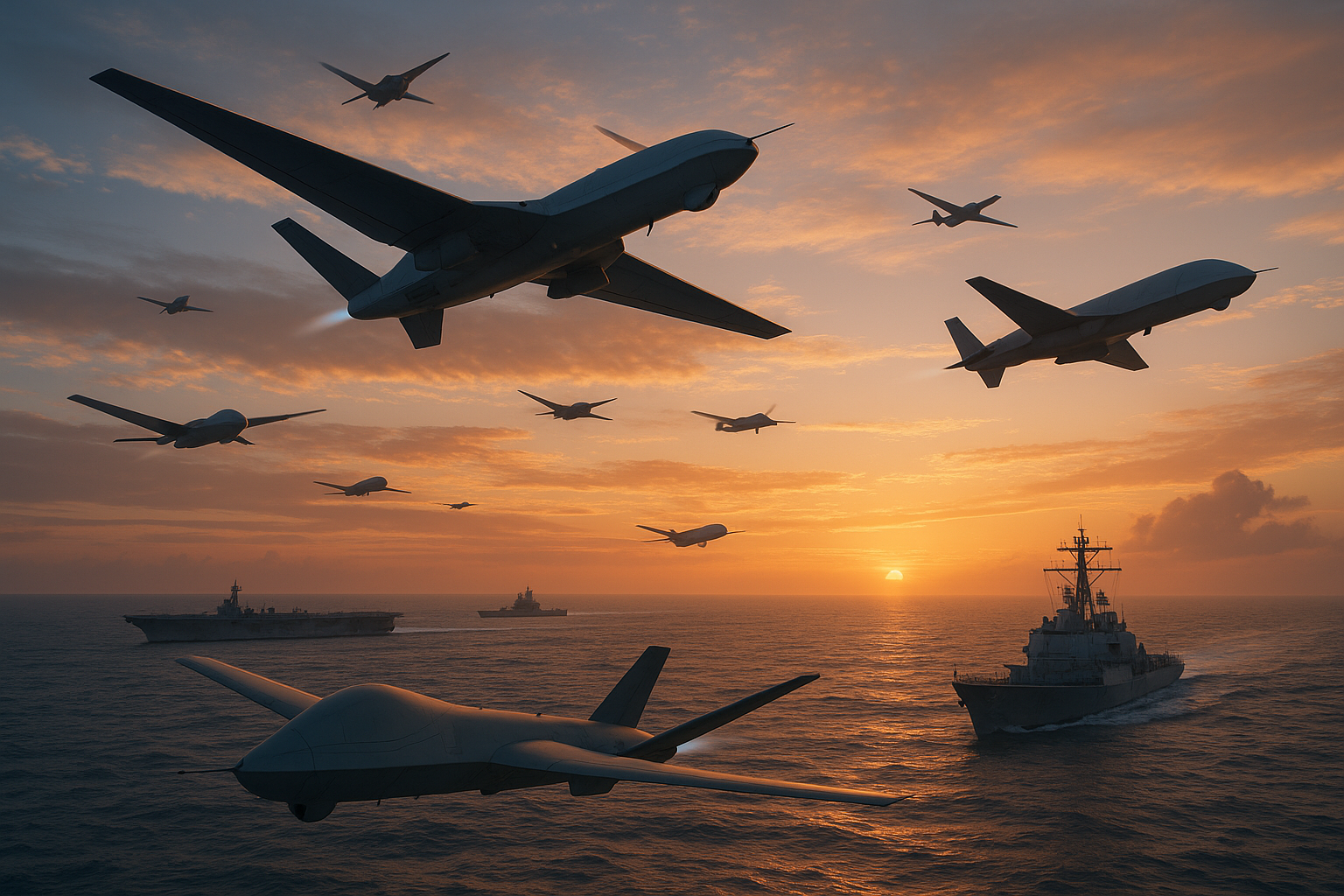
- Fast Attack Craft: Highly maneuverable, small boats capable of swarm tactics to overwhelm larger, more cumbersome naval vessels.
- Unmanned Aerial and Surface Vehicles: The increasing use of drones and autonomous systems allows for reconnaissance and potential strikes with reduced risk to personnel.
- Sea Mines and Coastal Missiles: The ability to deploy mines or utilize shore-based missile batteries provides a constant, looming threat to commercial shipping.
This capability allows Iran to maintain a “shadow presence” over the shipping lanes. Even without a full-scale blockade, the mere possibility of mine placement, vessel seizure, or drone interference is enough to drive up insurance premiums for tankers and force shipping companies to reroute or delay shipments, effectively creating a “geopolitical toll” on every barrel of oil that transits the region.
The Economics of Uncertainty: The Permanent Risk Premium
From a financial perspective, the most significant impact of Iran’s influence is the institutionalization of the “risk premium” in oil pricing. In commodities markets, price is not just a reflection of current supply and demand; it is also a reflection of perceived future risk.
Peter Martin, Head of Economics at Wood Mackenzie, has noted that oil prices will continue to reflect this heightened risk environment. When geopolitical tensions rise in the Middle East, traders immediately price in the possibility of supply interruptions. This means that even if the physical flow of oil remains uninterrupted, the cost of that oil increases because the market is hedging against a potential catastrophe.
This risk premium acts as a form of economic friction. It increases the volatility of energy markets, making it more difficult for corporations to forecast long-term energy costs and for governments to manage inflation. For a global economy still navigating the complexities of post-pandemic recovery and the transition to renewable energy, this persistent volatility adds a layer of instability that is difficult to mitigate through traditional monetary policy.
the cost of maritime insurance—specifically “war risk” premiums—spikes during periods of heightened tension. These costs are ultimately passed down the supply chain, contributing to the broader inflationary pressures seen in transport and manufacturing sectors worldwide.
Stakeholders and the Global Ripple Effect
The influence exerted over the Strait of Hormuz does not stay contained within the Middle East; its ripples are felt across every sector of the global economy.
1. The Asian Importers
The most immediate victims of any disruption are the energy-hungry economies of East and South Asia. Countries like China and India rely heavily on Middle Eastern crude to fuel their massive industrial sectors. A prolonged disruption in the Strait could lead to energy rationing, industrial slowdowns, and significant domestic economic instability in these regions.
2. Global Energy Transition
Paradoxically, the volatility in the Strait may accelerate the transition to renewable energy. As nations realize the vulnerability of their energy security to a single maritime chokepoint, the drive toward domestic energy production—via wind, solar, and nuclear—becomes a matter of national security rather than just environmental policy. However, the high cost of fossil fuels during periods of crisis can also provide a short-term incentive to return to coal or other cheaper, albeit dirtier, energy sources.
3. International Security Forces
The presence of international maritime coalitions, such as the International Maritime Security Construct (IMSC), is a direct response to the need for stability. The cost of maintaining these naval presences is significant, and the mission is a constant balancing act between ensuring freedom of navigation and avoiding an escalatory conflict with Iran.
Key Takeaways: The New Normal in the Persian Gulf
| Factor | Impact on Global Markets | Primary Stakeholders |
|---|---|---|
| Geographic Chokepoint | Concentration of 20% of global oil supply in a narrow lane. | Global Importers, OPEC+ |
| Asymmetric Warfare | Use of swarms, drones, and mines to create disruption. | Naval Forces, Shipping Companies |
| Risk Premium | Higher, permanent volatility in crude oil pricing. | Energy Traders, Central Banks |
| Insurance Costs | Increased “war risk” premiums for maritime transit. | Logistics Firms, Consumers |
As we look toward the second half of the decade, the ability of the international community to maintain the freedom of navigation in the Strait of Hormuz will be a defining test of global maritime security. For the markets, the era of “cheap and predictable” energy transit through the Persian Gulf appears to be a relic of the past.
Investors and policymakers should continue to monitor official maritime advisories and updates from international naval task forces for any changes in the security status of the Strait.
What do you think is the most effective way to mitigate the energy security risks posed by maritime chokepoints? Share your thoughts in the comments below and share this analysis with your network.
Worth a look
- Prins Pieter-Christiaan durfde niet aan te schuiven bij Mart Smeets: ‘Erg onder de indruk’ – RTL.nl
- 스트래티지, 최대 12.5억달러 비트코인 매각 길 열어…엇갈린 시장 반응 – 네이트 뉴스
- Trump Threatens Iran as Houthi Tanker Attacks Push Oil Prices Above $100 (time.news)
- Aston Martin Debuts Major Upgrades for Hungarian Grand Prix (archynewsy.com)