
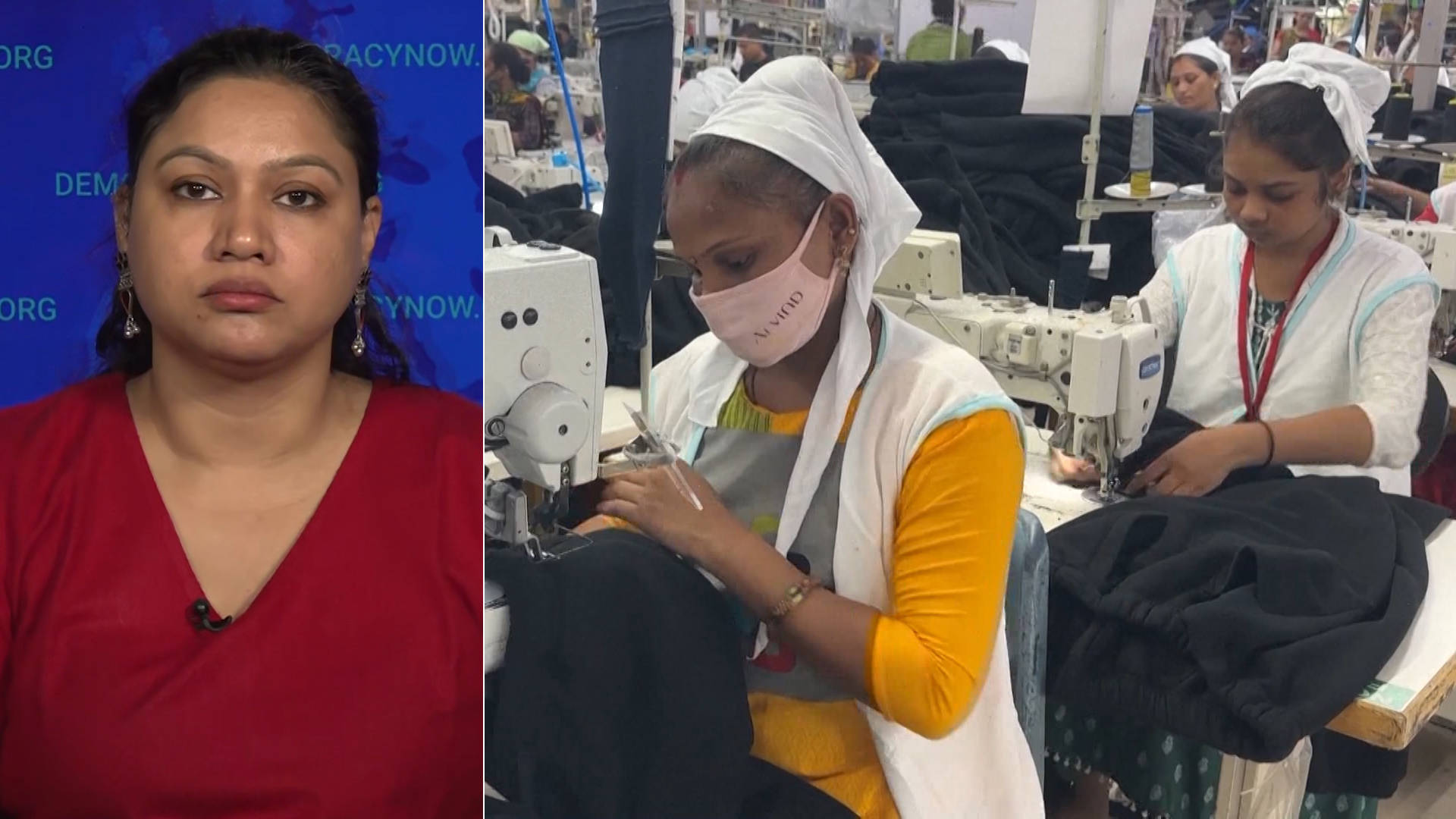
As the global community observed International Workers’ Day, the precarious state of labor rights in India has returned to the forefront of international discourse. The nation is currently grappling with a volatile combination of sweeping legislative overhauls and an acute cost-of-living crisis, leaving millions of its most vulnerable workers in a state of systemic instability.
This precarious environment is the central focus of investigative journalist and author Neha Dixit in her latest operate, The Many Lives of Syeda X: A People’s History of Invisible India
. Through the lens of a single working-class Muslim woman, Dixit documents the corrosive tensions and the systemic “invisibilisation” of the urban poor who form the backbone of India’s economy. Her analysis suggests that the struggle for a fair wage is not merely an economic dispute, but a fight for visibility and dignity in a rapidly developing state.
The urgency of these issues was underscored in mid-April 2026, when tens of thousands of workers in the industrial hubs surrounding New Delhi blocked major roads. These protests, concentrated in areas like Noida and Manesar, were driven by demands for fair wages and improved working conditions as inflation eroded the purchasing power of the working class.
Economic Pressure and the Geopolitical Catalyst
The recent surge in labor unrest is not happening in a vacuum. Economic analysts point to a deepening cost-of-living crisis exacerbated by geopolitical instability. Specifically, the conflict involving the U.S., Israel, and Iran has placed significant pressure on global fuel supplies, which has cascaded into the Indian domestic market.
India, which sources nearly 90% of its crude oil from abroad, is highly susceptible to price shocks in West Asia. Recent reporting indicates that as Brent crude futures surged, petrol and diesel prices in India rose, further inflating the cost of transporting goods and basic commodities according to The Indian Express. For workers living on the margins, these incremental price hikes represent a direct threat to food and housing security.
In the industrial belt of Noida, this economic strain boiled over in April 2026. Most of the protesting workers are non-unionized contract laborers employed in small factories producing electronics, garments, and auto parts. According to reporting by the BBC, the unrest escalated into violent clashes and resulted in over 300 arrests, highlighting the desperation of a workforce that feels it has no formal channel for grievance.
The Dilution of Labor Protections
Beyond the immediate pressure of inflation, there is a deeper, structural conflict regarding the legal framework governing work in India. The central government has moved to compress 29 federal labor laws into four streamlined “labour codes.” While the government frames these as necessary economic reforms to improve the “ease of doing business,” trade unions and legal experts argue they represent a significant rollback of worker protections.

“Various governments in India and the central government have been trying to dilute labor laws. And there have been constant protests and strikes against this.” Neha Dixit, Investigative Journalist and Author
Critics of the new codes argue that the changes develop it significantly easier for companies to hire and fire workers, effectively weakening the security of tenure. In February 2026, a joint forum of 10 central trade unions organized nationwide protests, reporting disruptions across the banking, transport, and coal sectors as reported by Business Standard. Union leaders have warned that if these codes are fully implemented without amendment, they could remove the fundamental right to form unions and negotiate minimum wages.
The “Invisible” Workforce
In The Many Lives of Syeda X
, Dixit explores the specific intersection of class, religion, and gender. By following the life of a Muslim woman who migrated from Varanasi to Delhi in the 1990s, Dixit illustrates how the “invisible” workforce is often composed of marginalized communities who lack the social capital to fight for their rights. This invisibility allows for the proliferation of “contractualization,” where workers are denied benefits and job security by being classified as temporary contractors rather than permanent employees.
The disparity in wage growth between different Indian states has similarly fueled resentment. In April 2026, workers in Noida were encouraged by the fact that the neighboring state of Haryana had revised its minimum wages upward. This disparity triggered a wave of protests in the Uttar Pradesh industrial belt, eventually forcing the state government to raise workers’ wages to quell the unrest according to Reuters.
Key Implications for Global Markets
For global investors and corporations operating in India, the current labor climate presents a complex risk profile. While the government’s push for “Vikshit Bharat” (Developed India) emphasizes infrastructure and industrial growth, the underlying social instability suggests a fragile foundation.

- Supply Chain Volatility: The tendency for protests to block industrial hubs like Noida and Manesar can lead to sudden disruptions in the production of auto parts and electronics.
- Regulatory Uncertainty: The ongoing tension between trade unions and the central government over the labor codes suggests that legal challenges and strikes may persist for the foreseeable future.
- Inflationary Pressures: As workers demand higher minimum wages to retain pace with fuel-driven inflation, companies may face rising operational costs.
What Happens Next?
The immediate focus for labor organizers is the push for a “national floor wage rate” to prevent the extreme pay disparities between states that triggered the April unrest. Meanwhile, the legal battle over the implementation of the new labor codes continues to move through the courts and legislative committees.
The next critical checkpoint will be the upcoming quarterly review of minimum wage adjustments by state labor departments, where unions are expected to push for inflation-indexed increases to offset the impact of the ongoing energy crisis.
World Today Journal encourages readers to share their perspectives on the balance between economic reform and worker protections in the comments below.