
Canada and Bosnia and Herzegovina played to a 1-1 draw in a recent international friendly, marking a significant step for both nations in their preparations for upcoming competitive cycles, including the expanded 2026 FIFA World Cup. The match provided managers with a vital opportunity to test squad depth and tactical flexibility against contrasting styles of play on the international stage.
As the football world turns its attention toward the 2026 tournament, which will be co-hosted by Canada, the United States, and Mexico, matches like this serve as essential evaluation windows. According to official match reports from the FIFA official tournament portal, the 2026 World Cup will feature 48 teams, increasing the importance of identifying reliable depth players who can contribute during a condensed tournament schedule.
Tactical Analysis of the Canada 1-1 Bosnia and Herzegovina Draw
The match saw Canada utilize a lineup that balanced established core players with emerging talent. Maxime Crépeau anchored the defense, while the inclusion of players like Jonathan David and Tajon Buchanan signaled a clear intent to maintain an aggressive, high-pressing attacking structure. The tactical approach, as observed during the 90 minutes, focused on utilizing the pace of wing-backs such as Richie Laryea to stretch the Bosnian defensive line.

For Bosnia and Herzegovina, the draw represented a disciplined defensive performance against a Canadian side playing in front of a supportive home crowd. The European side relied on a compact mid-block, aiming to disrupt the passing lanes of Ismaël Koné and Stephen Eustáquio. By limiting space in the central channels, the visitors forced Canada to rely on crosses and long-range efforts, a strategy that kept the scoreline tight throughout the second half.
Key Performers and Squad Evolution
The roster selection for Canada highlighted a continued commitment to developing a versatile squad. The presence of younger talents alongside veterans like Alistair Johnston and Derek Cornelius suggests that head coach Jesse Marsch is prioritizing competition for places. According to data provided by Canada Soccer, the integration of new players into the defensive rotation is a primary objective leading into the 2026 qualifying cycle.
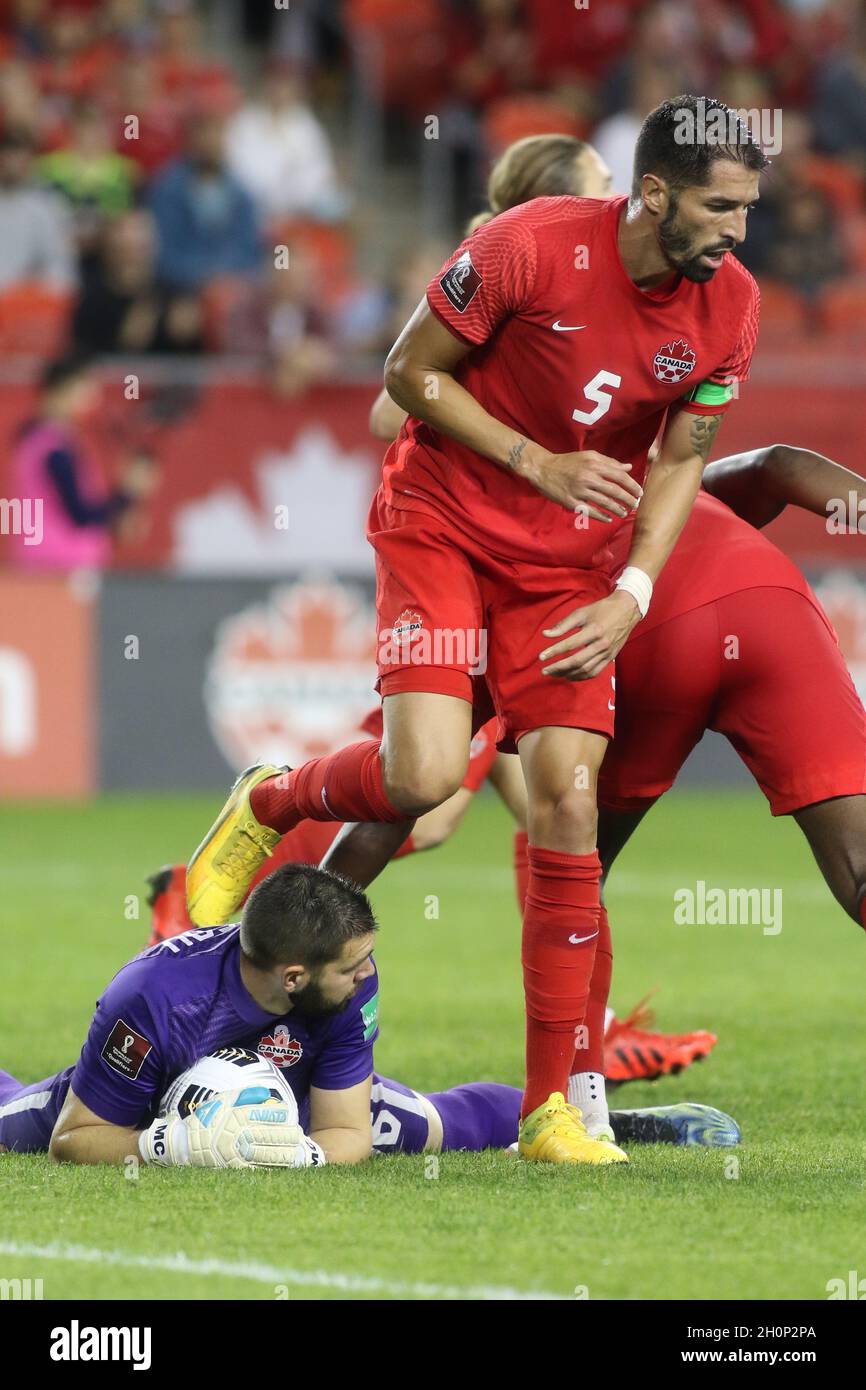
The performance of Jonathan Oluwaseyi in the attacking third provided a glimpse into Canada’s expanding offensive options. His ability to hold up the ball and link play with the midfield was a focal point of Canada’s transition game. Meanwhile, the Bosnian squad utilized this fixture to integrate newer personnel into their senior international setup, prioritizing experience in hostile away environments over short-term results.
Why International Friendlies Matter for 2026
International friendlies are no longer merely exhibition matches; they are high-stakes data-gathering exercises. With the 2026 World Cup format involving more matches and a higher volume of participating nations, coaching staffs are using these windows to analyze player fatigue, recovery times, and chemistry. The 1-1 result reflects the parity currently found in modern international football, where even top-ranked teams face significant challenges from well-organized defensive setups.
Furthermore, the logistical experience of hosting international matches is crucial for Canada as a host nation. The CONCACAF federation has emphasized the importance of using every available FIFA international window to ensure that the Canadian national team is match-ready for the high-pressure environment of a home World Cup. These fixtures allow the technical staff to experiment with different formations without the immediate pressure of qualification points.
Looking Ahead: The Road to 2026
Both teams will now shift their focus to their respective regional confederation competitions. For Canada, the path forward involves maintaining the momentum built through these developmental matches and refining the defensive transitions that were tested against Bosnia and Herzegovina. The next confirmed action for the Canadian national team will be announced via official releases from Canada Soccer, which manages the scheduling and media operations for the men’s senior team.

Fans interested in following the progress of the national team leading up to the 2026 tournament can monitor updates on ticket sales, venue announcements, and future friendly fixtures through official channels. As the tournament draws nearer, the focus will intensify on finalizing the core 23-man rosters that will represent each nation on the world’s biggest sporting stage.
We invite our readers to share their thoughts on the performance of the Canadian squad in the comments section below. How do you see the team evolving before the 2026 kickoff?
Keep reading
- Nathan Heaney Announces Retirement After Final Fight Against Gerome Warburton
- Carlos Alcaraz Withdraws from Cincinnati Open Due to Wrist Injury, US Open in Doubt
- Cliff Vesting vs. Graded Vesting: What Your 401(k) Match Pays (daybreakwire.com)
- Jacksonville Jaguars Official Updates and News (news-usa.today)