World Cup 2026 Security Concerns Escalate as Host Cities Warn Congress of Potential “Catastrophe”
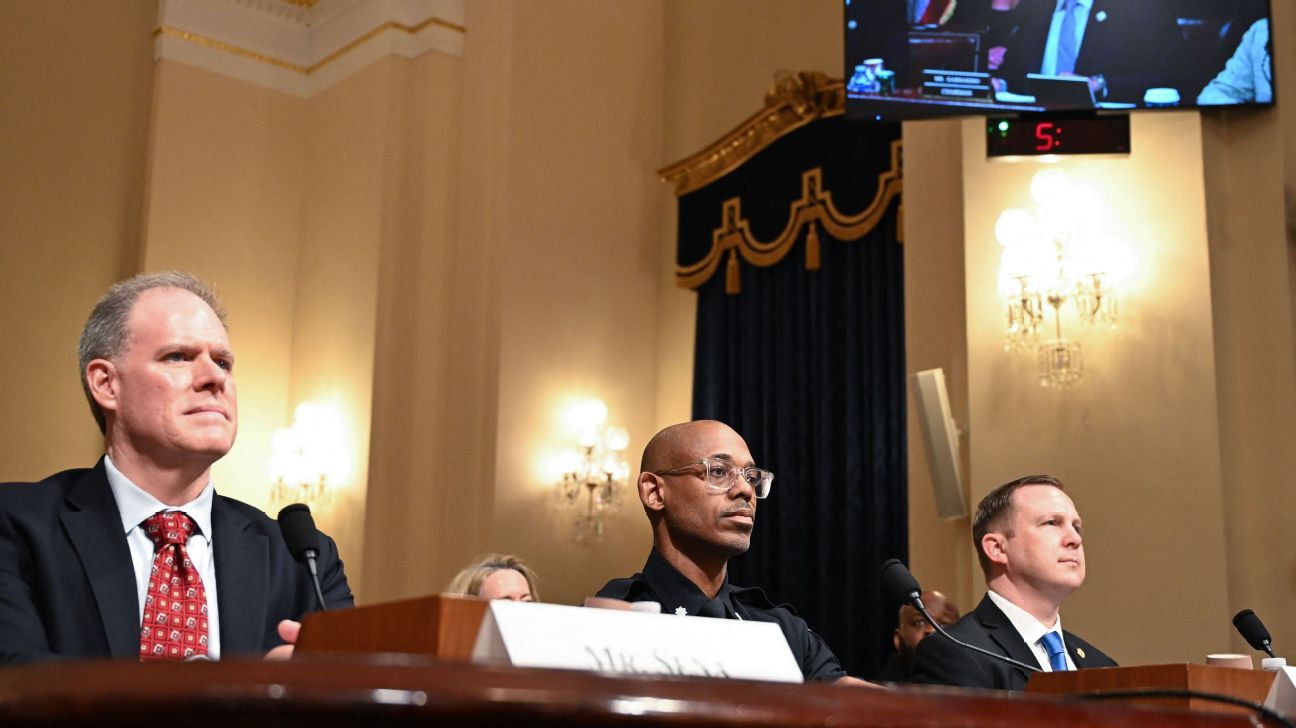
With just over 100 days until the opening kickoff of the 2026 FIFA World Cup, a sense of urgency and growing alarm is gripping host cities across the United States. Local officials have warned the U.S. Congress that inadequate federal funding, coupled with coordination challenges and a multitude of emerging security threats, could jeopardize the safety and success of the tournament. The warnings came during a House Homeland Security Committee hearing on Tuesday, February 24, 2026, where officials pleaded for the immediate release of earmarked funds frozen due to a broader political impasse in Washington. The situation raises serious questions about the preparedness of the U.S. To host a mega-event of this scale, alongside the 2028 Summer Olympics in Los Angeles.
The core of the issue lies in a freeze on funding from the Department of Homeland Security (DHS), which includes funds administered by the Federal Emergency Management Agency (FEMA). These funds, totaling $625 million for security enhancements and $250 million specifically for drone threat mitigation, are crucial for host cities to implement comprehensive security plans. Without access to these resources, officials say they are facing difficult choices, potentially leading to scaled-back security measures and increased risk. Ray Martinez, the chief operating officer for the Miami World Cup host committee, stated that without roughly $70 million in federal funds, the city faces a “drop dead date” at the finish of March to begin canceling planned events, including Fan Fest concert events. This highlights the immediate and tangible impact of the funding freeze.
Funding Freeze and Coordination Failures Hamper Preparations
The current impasse stems from a freeze on DHS funding following deadly shootings of U.S. Citizens by ICE officers in Minneapolis. This has created a ripple effect, halting the disbursement of FEMA funds essential for World Cup security. Several officials testified that the lack of funding is exacerbating existing coordination problems between local agencies and the federal government. Mike Sena, president of the National Fusion Center Association, expressed a stark assessment, stating, “I feel that if we’d been having this conversation two years ago, we’d be in better shape… But today, as we’re approaching these games, we’re nowhere near the capability we need.” This lack of preparedness is particularly concerning given the complexity of securing transportation networks, hotels, fan zones, practice facilities, and the stadiums themselves.
The concerns extend beyond logistical challenges. Officials highlighted a range of potential threats, including the increasing sophistication of drone technology, the risk of human trafficking, and the potential for disruption by the presence of Immigration and Customs Enforcement (ICE) agents at games. Adding to the anxieties is the recent surge in violence linked to drug cartels in Mexico, particularly near Guadalajara, a host city for the tournament. This raises questions about Mexico’s ability to ensure the safety of venues and attendees south of the border. The FIFA World Cup is scheduled to kick off on June 11, 2026, in Mexico City, with the first U.S. Game taking place in Los Angeles on June 12, and the final match slated for New York and New Jersey on July 19.
Impact on Host Cities and Potential Contingency Plans
The financial strain is being felt acutely in several host cities. In Kansas City, which is set to host six games and serve as a base camp for four teams, officials emphasized the critical need for funding to hire additional police personnel. Joseph Mabin, the deputy chief for Kansas City police, stated that the release of funds is “critical” given the department’s existing staffing limitations. Similarly, in Foxborough, Massachusetts, town officials are seeking clarification on securing approximately $8 million to fund public safety measures for games at Gillette Stadium, home of the New England Patriots. The situation underscores the significant financial burden placed on local communities to ensure the security of the World Cup.
Travis Nelson, deputy chief of staff and homeland security adviser to the Maryland governor, painted a grim picture, comparing the situation to a Jenga game, warning that a single misstep could cause the entire security framework to collapse. He also noted that salaries for personnel involved in planning and coordination are contingent upon the release of the frozen funds. This highlights the cascading effect of the funding freeze, potentially impacting not only security measures but also the livelihoods of those working to prepare for the tournament. The U.S. Travel Association released a report in February 2025 warning that the U.S. Air travel system is inadequately equipped to handle the influx of visitors expected for both the World Cup and the 2028 Summer Olympics, estimating that up to 40 million people could travel to the U.S. For these events.
Political Stalemate and Calls for Action
The political dynamics surrounding the funding freeze are complex. Republican members of the House Homeland Security Committee criticized their Democratic colleagues for allegedly withholding votes needed to unfreeze the funds. Representative Carlos Gimenez (R-Florida) explained that FEMA staffers responsible for processing grants are currently unable to perform due to the partial government shutdown, further delaying the release of crucial funds. The White House World Cup Task Force, led by Andrew Giuliani, has yet to publicly respond to the escalating concerns, according to reports.
The situation underscores the broader challenges facing the U.S. As it prepares to host major international events. The 2026 World Cup, alongside the 2028 Olympics in Los Angeles, will represent a significant test of the nation’s homeland security capabilities. The lack of coordination between local, state, and federal agencies, coupled with the current political gridlock, raises serious doubts about the U.S.’s ability to deliver a safe and successful tournament. The stakes are high, not only for the reputation of the U.S. As a global host but also for the safety and security of millions of fans and participants.
Key Takeaways
- Funding Freeze: A freeze on Department of Homeland Security funding is delaying the release of $875 million earmarked for World Cup security.
- Coordination Issues: Host cities report a lack of adequate coordination between local agencies and the federal government.
- Multiple Threats: Officials are concerned about drone threats, human trafficking, and potential disruptions from ICE activity, as well as security concerns in Mexico.
- Impending Deadlines: Some cities, like Miami, face “drop dead dates” for canceling planned events if funding isn’t received soon.
As of February 24, 2026, the situation remains unresolved. The House Homeland Security Committee is expected to continue its oversight of the matter, and further hearings may be scheduled. The immediate priority is to break the political deadlock and release the frozen funds to allow host cities to finalize their security preparations. The coming weeks will be critical in determining whether the U.S. Can effectively address these challenges and ensure a safe and memorable World Cup experience for all.
What are your thoughts on the security preparations for the 2026 World Cup? Share your comments below, and let us know what concerns you the most. Don’t forget to share this article with your network to raise awareness about this critical issue.
Worth a look