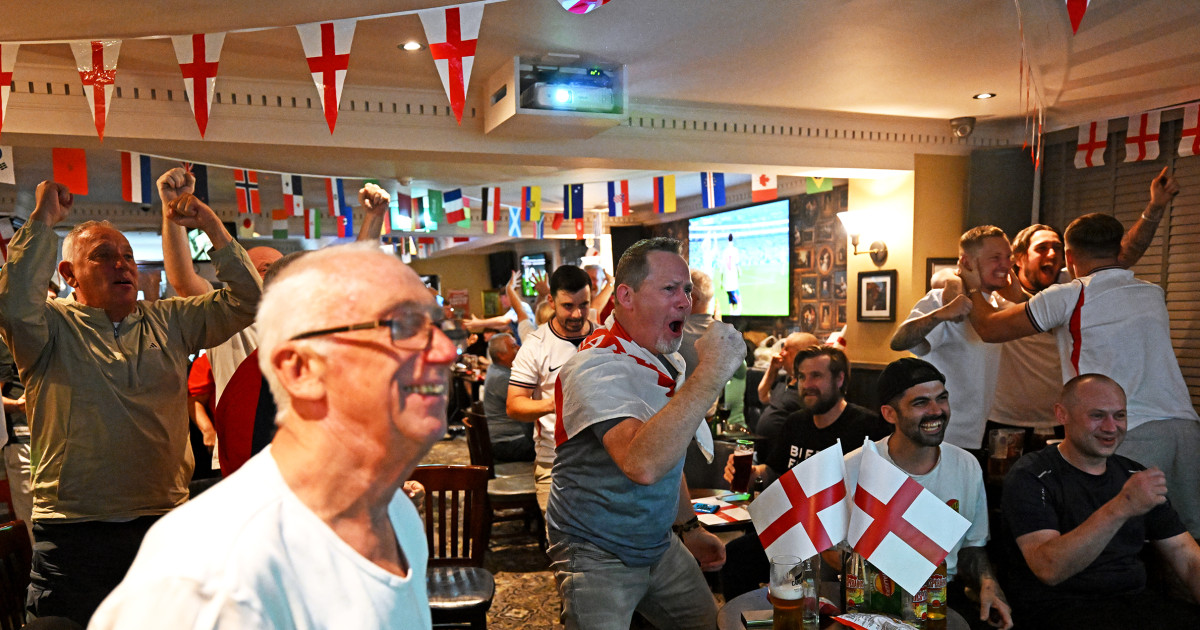
England football fans are projected to consume an additional 6 million pints of beer during a World Cup semifinal clash, providing a temporary financial surge for a pub industry currently struggling with systemic closures. According to data from the British Beer and Pub Association (BBPA), major sporting events trigger significant spikes in beverage sales, though industry leaders warn these short-term gains do not offset long-term operational crises.
The surge in demand reflects a broader pattern where national team success directly correlates with hospitality revenue. While the volume of sales increases during high-stakes matches, the BBPA notes that the wider industry continues to face severe pressure from rising energy costs and inflation. This creates a paradox where pubs experience record-breaking individual days of trade while the overall sector remains in a state of fragility.
The projected 6 million pint increase is based on historical consumption patterns and current fan engagement metrics during the tournament. Pub operators are scaling up staffing and inventory to manage the influx, but many argue that the “World Cup effect” is a fleeting remedy for deeper economic wounds affecting the UK’s hospitality landscape.
Economic Impact of Major Tournaments on UK Pubs
The financial boost provided by the World Cup is substantial but concentrated. According to the British Beer and Pub Association, the influx of customers during tournament windows provides critical cash flow for independent operators. However, these peaks often mask a decline in baseline weekday trading, which is essential for long-term sustainability.

Industry analysis suggests that the “6 million pints” figure represents a massive temporary shift in consumer behavior. When England reaches a semifinal, footfall in public houses increases sharply, leading to higher sales not only in beer but also in food and spirits. This surge allows some venues to recover losses incurred during quieter periods of the year, but it rarely provides enough capital to resolve structural debts.
The volatility of this income is a primary concern for business owners. A win can lead to a windfall, while an early exit from a tournament can leave pubs with excess stock and overstaffed shifts, further straining thin margins in an environment where overhead costs remain high.
The Crisis Facing the Hospitality Sector
Despite the celebratory atmosphere of a World Cup run, the English pub industry is grappling with a wave of closures. The combination of post-pandemic debt, skyrocketing energy bills, and a cost-of-living crisis has made the business model unsustainable for many smaller establishments.

According to reports from the hospitality sector, the cost of raw materials and labor has risen significantly. While a semifinal match might bring in millions of pints in sales, the profit margins on those drinks are often eroded by the increased cost of electricity to run cooling systems and the higher wages required to attract temporary staff for peak events.
The BBPA has repeatedly called for government intervention, including business rate reform and energy support, arguing that the cultural importance of the “English pub” is at risk. They suggest that without systemic relief, the temporary boosts from sporting events will only delay the inevitable closure of thousands of venues across the country.
Consumer Behavior and the ‘Fan Effect’
The tendency for fans to gather in pubs rather than at home is a key driver of the 6 million pint projection. The communal experience of a semifinal match creates a demand for “destination drinking,” where fans seek out venues with large screens and high-capacity crowds.
This behavior benefits urban centers and “fan zones” more than rural pubs, creating a geographical disparity in how the World Cup boost is distributed. While city-center bars may see record turnovers, village pubs may see a smaller, more localized increase that does not significantly alter their financial trajectory.

Furthermore, the shift toward premium products during major events—such as craft ales and imported lagers—can increase the average transaction value per customer. This helps operators maximize the revenue from the increased footfall, provided they can maintain a stable supply chain amidst global logistics challenges.
The next critical point for the industry will be the official release of the annual hospitality trade report, which will detail the net number of pub closures across England and Wales and determine whether tournament-driven spikes have had any lasting impact on the sector’s survival rate.
We welcome your thoughts on the state of the UK’s pub culture in the comments below. Please share this report with others interested in the intersection of sports and economics.
- Betye Saar at 100: The Groundbreaking Artist Still Creating New Work
- Pekanbaru Mayor Agung Nugroho Appoints and Rotates Key Officials: Full List of Echelon III and IV Appointments
- Transnistria Isn't a Country. Its Gas Crisis Explains Why (daybreakwire.com)
- England and Argentina Face Off in 2026 FIFA World Cup Semifinal (archyworldys.com)