
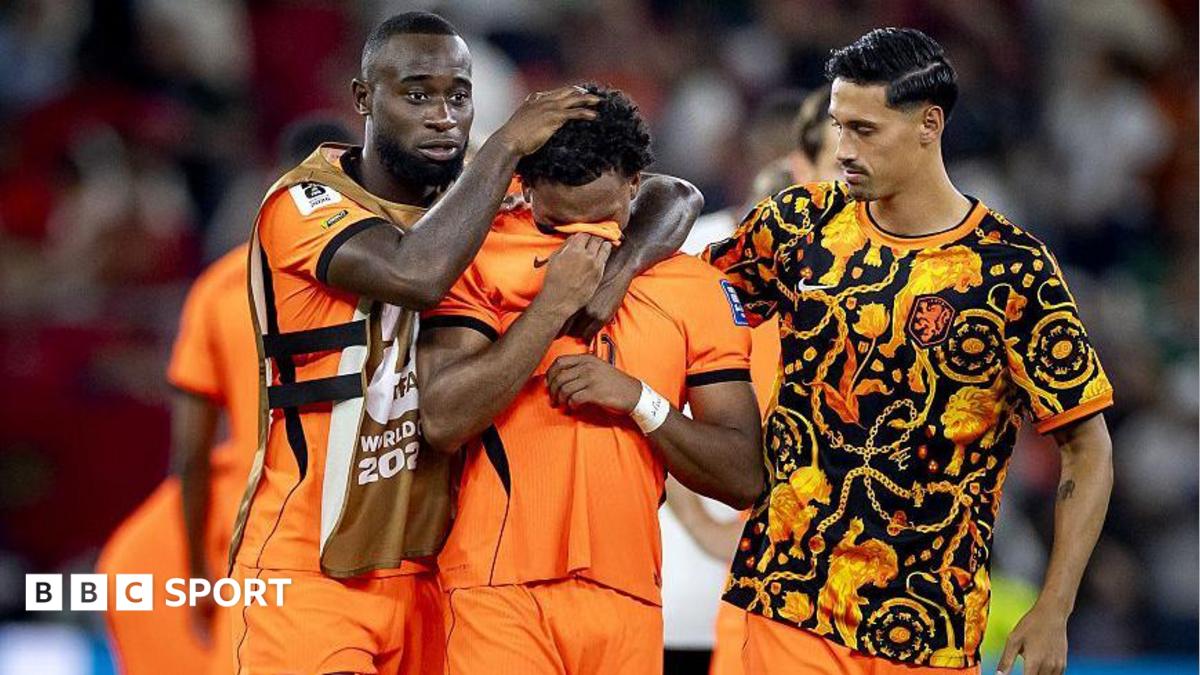
FIFA’s Social Media Protection Service (SMPS) has identified a significant increase in the most severe forms of racist abuse directed at players, coaches, and officials during recent major international football tournaments. The findings, released as part of an ongoing initiative to safeguard participants from online harassment, highlight a growing reliance on automated moderation tools to combat hate speech that often targets individuals based on their race, nationality, or ethnic background.
According to FIFA’s official reports on tournament safety, the service was implemented to monitor social media platforms in real-time, masking abusive comments before they can be seen by the intended recipients. While the technology has successfully intercepted thousands of messages, the volume of high-severity content—specifically racist slurs and threats—continues to pose a substantial challenge for governing bodies and digital platforms alike. The data underscores a persistent trend where major sporting events serve as catalysts for spikes in toxic online behavior.
The Mechanics of Online Abuse in Sports
The rise in online racist abuse during tournaments is frequently characterized by coordinated campaigns that often follow high-profile matches. Research conducted by international sporting organizations, including the FIFA Social Media Protection Service, indicates that the abuse is not merely spontaneous but is often amplified by algorithms that prioritize high-engagement, albeit negative, content.

The SMPS functions by using artificial intelligence to analyze incoming mentions and direct messages sent to participants. When the system detects language identified as hate speech, it prevents the content from appearing in the user’s notifications. Despite this, the psychological impact on athletes remains a primary concern for player unions and human rights organizations. The International Federation of Professional Footballers (FIFPRO) has consistently advocated for stricter platform accountability, noting that the responsibility to curb abuse cannot fall solely on the sports organizations themselves but must involve the social media companies that host these interactions.
Regulatory Responses and Platform Accountability
The legal landscape regarding online abuse is shifting as governments and sports regulators demand more transparency from tech conglomerates. In the United Kingdom, the Online Safety Act, which received Royal Assent in October 2023, imposes strict duties on social media platforms to remove illegal content and protect users from harmful material. This legislation serves as a potential model for international efforts to mitigate the spread of racist abuse in digital spaces.
FIFA has stated that it shares data regarding abusive users with relevant law enforcement agencies when the content crosses the threshold into criminal activity. However, the international nature of the internet often creates jurisdictional hurdles. The Council of Europe’s Convention on an Integrated Safety, Security and Service Approach at Football Matches emphasizes the need for cross-border cooperation to identify and sanction perpetrators who hide behind anonymity.
The Impact on Athletes and Future Safeguards
For the athletes, the toll of this abuse is well-documented. Many players have reported that the constant stream of vitriol during tournaments affects their mental well-being and performance. The United Nations Strategy and Plan of Action on Hate Speech highlights that such abuse is a global issue that requires a multi-stakeholder approach, involving social media companies, governments, and sporting authorities.

Looking ahead, the next phase of digital protection in sports will likely involve enhanced verification processes for social media accounts and more robust reporting mechanisms. FIFA has indicated that it will continue to refine its SMPS technology to better recognize evolving slang and coded language used by bad actors. As the football calendar moves toward upcoming global competitions, the integration of these protective measures remains a top priority for organizers.
Stakeholders are expected to review the effectiveness of current moderation policies during the next scheduled meeting of the FIFA Council, where updates on player welfare initiatives are typically presented. Readers interested in the ongoing efforts to combat discrimination in football can follow official updates via FIFA’s Diversity and Inclusion portal. We welcome your thoughts on how digital platforms should manage this crisis—please join the conversation in the comments section below.