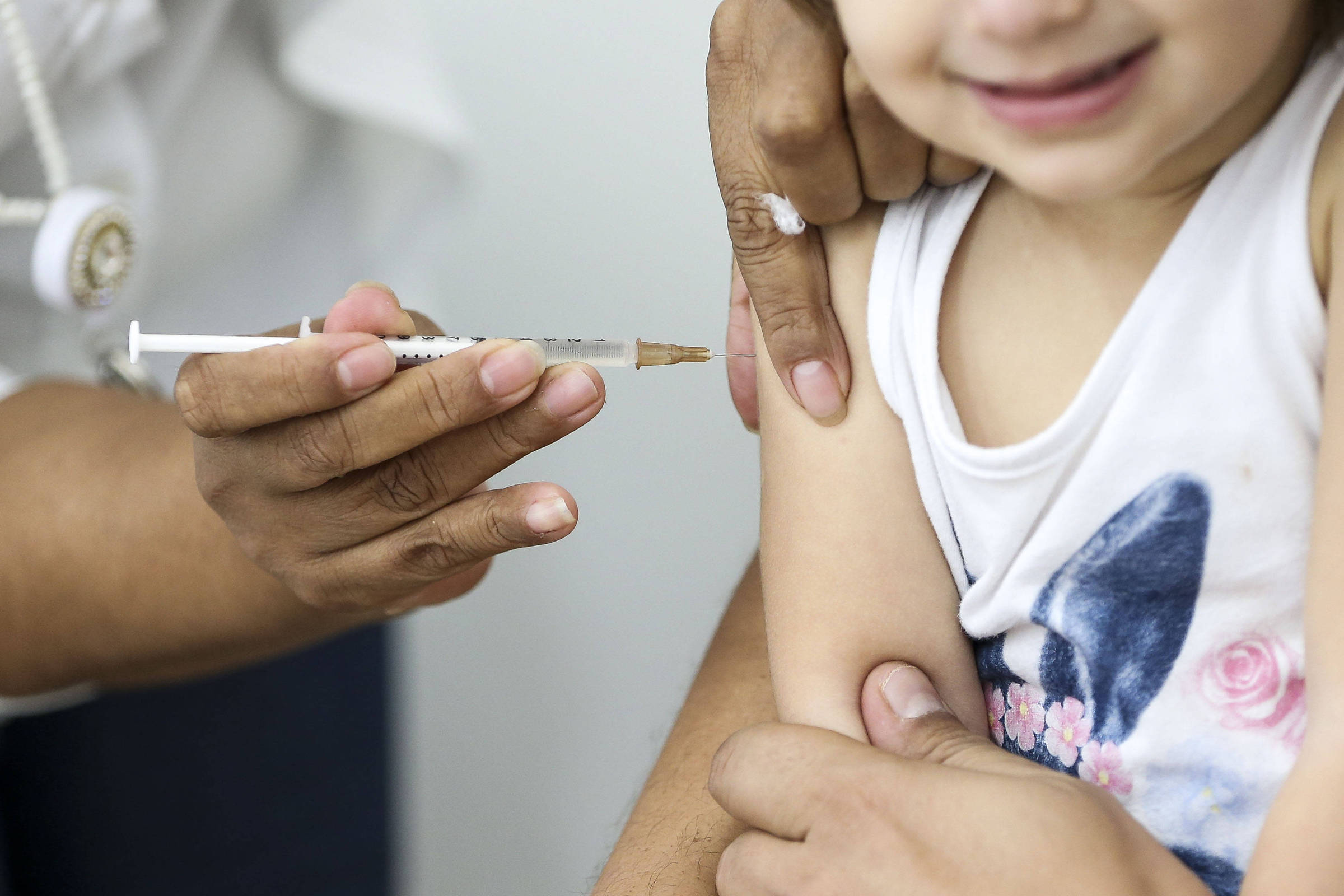
Traveling with children to major international events like the World Cup requires careful health planning, particularly concerning vaccine-preventable diseases. As thousands of families prepare to gather in host cities, public health officials emphasize the importance of ensuring routine immunizations are up to date, with a specific focus on measles, a highly contagious viral infection that remains a global concern.
For parents, the primary safeguard against infectious diseases during international travel is the measles, mumps, and rubella (MMR) vaccine. According to the World Health Organization (WHO), measles is a leading cause of vaccine-preventable deaths in children, and the virus can spread rapidly in crowded environments where international travelers mingle. Ensuring that children have received the full two-dose series of the MMR vaccine is the most effective way to prevent infection and transmission during mass gatherings.
Assessing Health Risks at Global Sporting Events
Mass gatherings, such as the World Cup, create unique environments where the risk of communicable disease transmission can increase. The movement of people from diverse regions—some of which may have lower vaccination coverage or active outbreaks—necessitates a proactive approach to travel medicine. Health authorities routinely monitor these events to prevent the reintroduction or spread of diseases like measles, which had been previously eliminated in many regions but has seen a resurgence due to gaps in immunization coverage.
The U.S. Centers for Disease Control and Prevention (CDC) advises that travelers of all ages should ensure they are protected against measles before traveling internationally. Because measles is spread through respiratory droplets, the virus can persist in the air or on surfaces for up to two hours after an infected person has left the area. When traveling with infants or children who are too young for the full vaccine series, families should consult with their pediatrician to discuss tailored precautions and the potential for early vaccination if the child is traveling to a high-risk area.
Essential Health Precautions for Traveling Families
Beyond vaccination, maintaining a robust health strategy involves several practical steps to protect your family during your journey. Preparing a comprehensive travel health kit is a cornerstone of this approach. This kit should include items for managing minor injuries, such as adhesive bandages and antiseptic wipes, as well as essential medications, including fever reducers and any prescribed treatments your child requires. Always carry these items in your carry-on luggage to ensure they are available during transit.
Personal hygiene remains your first line of defense. Frequent handwashing with soap and water for at least 20 seconds, or the use of hand sanitizer containing at least 60% alcohol, significantly reduces the risk of contracting and spreading germs. According to the World Health Organization, consistent hygiene practices are critical in communal spaces such as stadiums, airports, and public transport hubs where the density of people is high.
When to Consult a Medical Professional
Before departing, schedule a pre-travel health consultation at least four to six weeks in advance. This timeline allows for the administration of vaccines that may require multiple doses or take time to reach peak effectiveness. During your visit, disclose your specific destination and itinerary, as local health conditions can vary significantly between host cities and regions.
Monitor your children for symptoms such as high fever, cough, runny nose, or a characteristic rash after returning home. If symptoms develop, it is vital to contact a healthcare provider immediately and inform them of your recent travel history. Prompt reporting helps local health departments track potential exposures and implement containment measures to prevent further community spread.
As international health monitoring continues in the lead-up to the tournament, families are encouraged to check official travel advisories periodically. For the most current guidance on vaccine requirements and health alerts, consult the WHO Disease Outbreak News portal. We welcome your questions and experiences regarding travel health; please feel free to share your thoughts in the comments section below.
Related reading