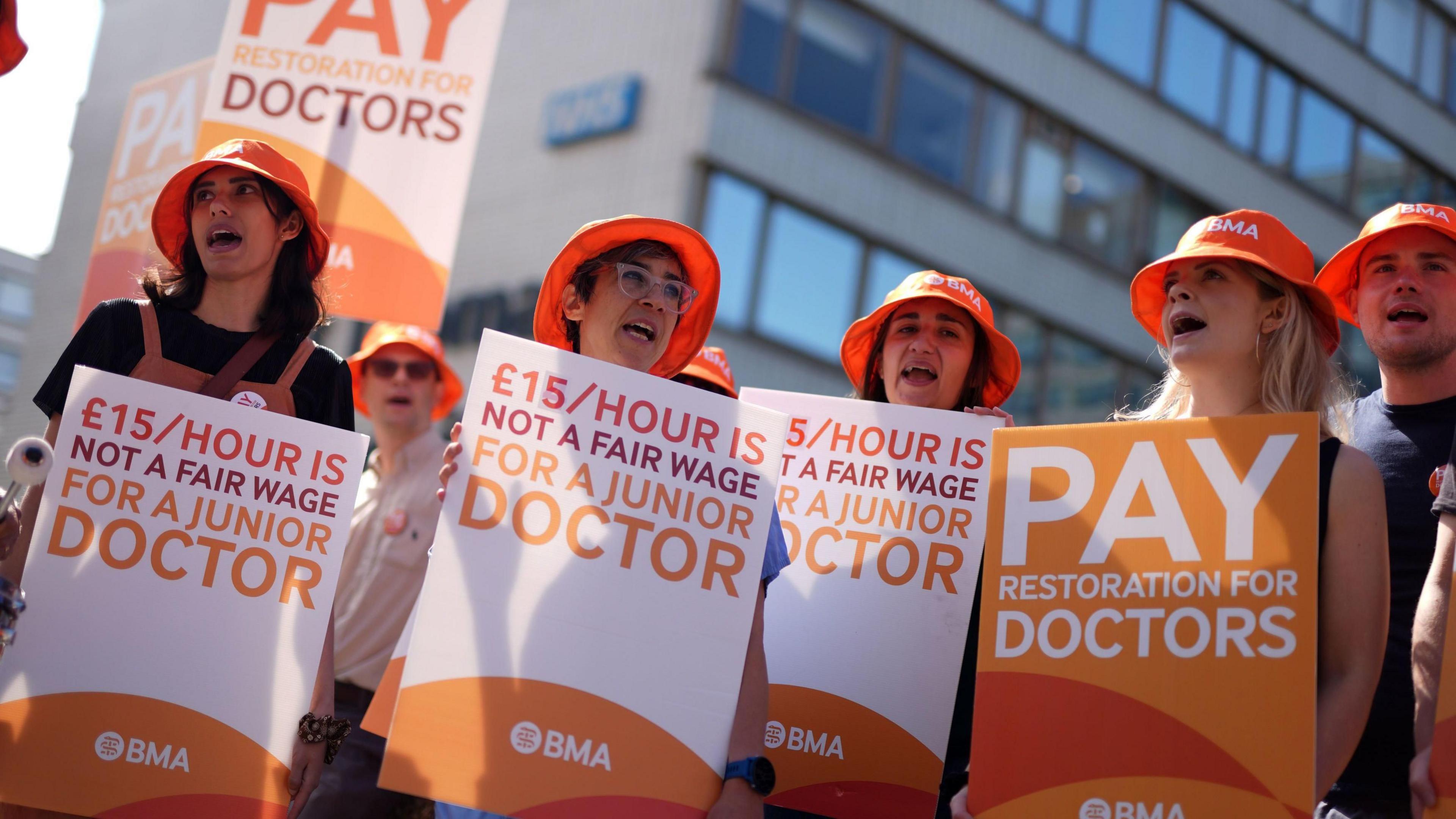
After three years of intermittent industrial action and stalled negotiations, the British Medical Association (BMA) has reached a formal agreement with the UK government to resolve the long-running dispute over pay and working conditions for resident doctors in England. The deal, which received overwhelming support from union members in a ballot, marks the end of a conflict that saw multiple rounds of strikes and significant disruption to National Health Service (NHS) services. According to the British Medical Association, 66% of voting members backed the offer, which includes an average pay increase of approximately 22.3% over two years for the 2023-2025 period.
As a physician who has followed the evolution of healthcare policy in Europe, I recognize this resolution as a significant milestone for the NHS workforce. The agreement addresses long-standing concerns regarding the erosion of real-terms pay and the need for structural improvements in postgraduate training. For patients and healthcare administrators, this settlement signals a period of stabilization for junior doctors—now officially referred to as resident doctors—who form the backbone of hospital-based clinical care in England.
The Terms of the Settlement
The core of the agreement centers on a multi-year pay uplift designed to restore a portion of the earnings lost to inflation over the previous decade. Under the Department of Health and Social Care, the package provides a cumulative increase that varies by grade, with the highest increases directed toward those earlier in their medical careers. Beyond salary, the government has committed to a series of reforms aimed at improving the working environment, including clearer pathways for career progression and enhanced support for doctors in training.
The financial commitment from the government represents a shift in the approach to public sector wage negotiations. By securing this deal, the new administration, led by the Labour government, has aimed to clear a backlog of industrial disputes that began under the previous Conservative leadership. The BMA has emphasized that while this agreement does not meet every demand initially set out by the union, it provides a “credible” foundation for future discussions regarding medical workforce retention.
Impact on NHS Service Delivery
The impact of the three-year dispute was profound, resulting in the cancellation of thousands of elective procedures and outpatient appointments. According to data from the NHS England, the cumulative effect of industrial action across all medical staff groups contributed to record-high waiting lists. The cessation of strikes by resident doctors is expected to alleviate pressure on hospital managers, who have struggled to maintain consistent staffing levels during walkouts.
However, analysts note that the resolution of the pay dispute is only one component of the broader challenge facing the NHS. Chronic underinvestment in infrastructure, a growing aging population, and a persistent shortage of senior medical consultants remain critical issues. The government has stated that this agreement is part of a wider effort to modernize the health service, focusing on productivity and the reduction of waiting times as a primary policy objective.
A New Framework for Medical Training
A central pillar of the BMA’s negotiations involved the quality of postgraduate medical education. Resident doctors frequently cited “burnout” and a lack of structured supervision as primary drivers for seeking employment abroad or leaving the medical profession entirely. The new agreement includes provisions for a specialized task force to oversee improvements in training rotations and to ensure that resident doctors receive the protected time necessary for professional development.
The General Medical Council, which regulates medical education in the UK, has historically highlighted the importance of a well-supported trainee workforce in maintaining patient safety standards. By formalizing these training commitments, the BMA and the government hope to improve retention rates, ensuring that the substantial investment made in training doctors in the UK yields a return in the form of a stable, domestic workforce.
Looking Ahead at NHS Stability
With the industrial action officially concluded, the focus now shifts to implementation. The BMA has indicated that it will monitor the government’s adherence to the training reforms closely. For the healthcare system, the immediate priority is the recovery of elective care services, which have been severely strained since the onset of the pandemic and the subsequent years of labor unrest.
The next major checkpoint for this policy will be the annual review of the pay structure and the progress reports from the newly formed training task force. As these measures take effect, the health sector will be watching to see if they successfully stem the tide of doctors leaving the NHS. We invite our readers to share their perspectives on these developments in the comments section below, as we continue to track the long-term outcomes of this landmark agreement.
Related reading