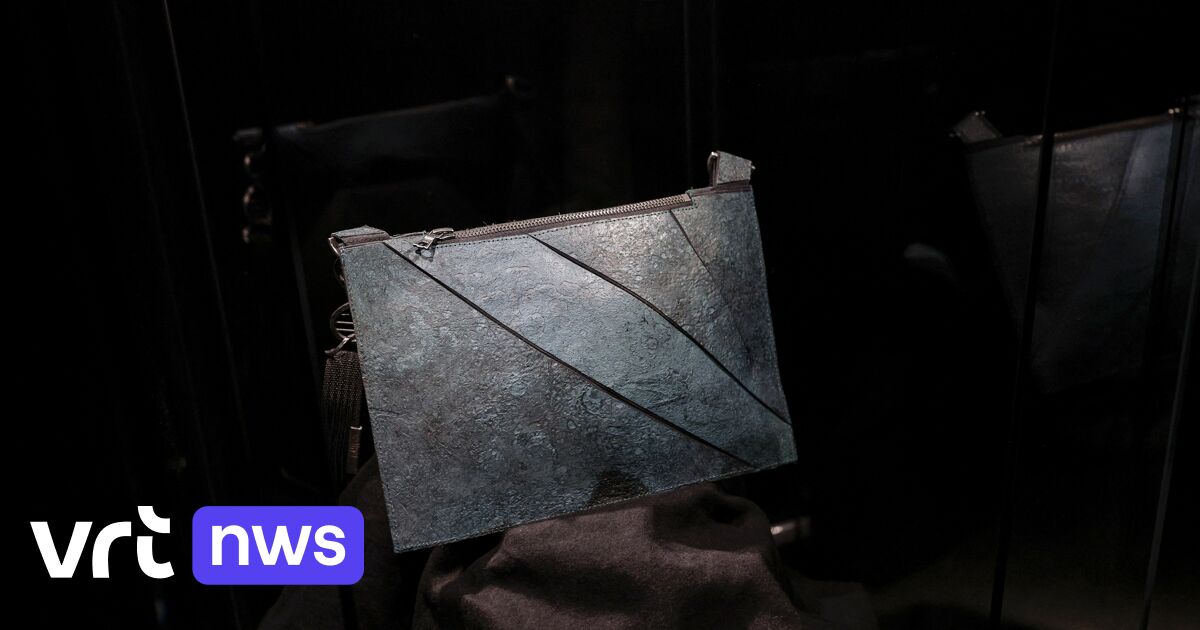
A handbag purportedly crafted from Tyrannosaurus rex skin failed to find a buyer during a recent auction in Paris, missing a projected valuation of up to €500,000. While the item was marketed as a unique intersection of prehistoric rarity and high-end luxury, the bidding process stalled at approximately €150,000, leaving the piece unsold.
The auction, held in the French capital, aimed to capitalize on the growing niche market for biological artifacts repurposed into luxury goods. However, the significant gap between the auction house’s estimate and the actual interest shown suggests a disconnect between the perceived value of “extinct” materials and the willingness of collectors to pay a premium for them.
The discrepancy between valuation and market interest
The auction process for the T. rex leather handbag revealed a stark contrast between theoretical value and realized demand. According to various reports regarding the sale, the item was expected to fetch as much as half a million euros. This high estimate was likely driven by the extreme rarity of the material, which represents one of the most sought-after biological specimens in the history of paleontology.
Despite the high expectations, the bidding did not reach the levels required to satisfy the auction’s reserve or the seller’s objectives. Reports indicate that the highest bid reached only about €150,000. This figure represents a 70% decrease from the upper end of the initial valuation. This shortfall raises questions among market analysts regarding whether the initial estimates were inflated by the novelty of the item rather than its actual liquidity in the luxury market.
The failure of the sale highlights a common phenomenon in high-stakes auctions: the “novelty premium.” While a T. rex skin bag is undeniably unique, its utility as a luxury accessory is limited by its nature as a biological relic. Collectors of fine art or rare fossils often operate under different valuation models than those who collect high-fashion accessories, and this specific item sat uncomfortably between both worlds.
| Metric | Value (Euros) | Context |
|---|---|---|
| Upper Estimate | €500,000 | Projected peak market value |
| Reported High Bid | €150,000 | Actual interest shown during auction |
| Valuation Gap | €350,000 | Difference between estimate and bid |
The intersection of paleontology and high-end luxury
The emergence of items like the T. rex handbag signals a trend where the boundaries of traditional luxury are being pushed into the realm of scientific rarity. In the luxury sector, value is typically derived from craftsmanship, brand heritage, or the scarcity of materials like exotic skins (crocodile, python, or ostrich). By introducing prehistoric material into this equation, the item attempted to move from “luxury” to “irreplaceable.”
This trend is not entirely new, but the scale of the valuation for dinosaur-derived products is unprecedented. The market for “extraordinary” materials often relies on a very small group of ultra-high-net-worth individuals who view purchases as both status symbols and unique investments. For these collectors, the value is not in the bag’s function, but in the fact that the material itself is millions of years old.
However, the auction results suggest that even within this elite demographic, there are limits to how much a consumer will pay for a “novelty” luxury item. Unlike a rare diamond or a classic timepiece, which have established secondary markets and clear value benchmarks, a prehistoric leather accessory lacks a historical precedent for resale value. This uncertainty may have contributed to the cautious bidding observed in Paris.
Legal and ethical complexities of prehistoric materials
Beyond the economic factors, the trade of items made from dinosaur remains involves complex legal and ethical considerations. While the Convention on International Trade in Endangered Species of Wild Fauna and Flora (CITES) primarily focuses on currently living species, the trade of fossils and prehistoric biological materials is often governed by national heritage laws. Many countries have strict regulations regarding the ownership and export of paleontological finds, viewing them as national scientific treasures rather than private commodities.
The provenance of the T. rex skin is a critical factor that remains opaque in many such sales. For a luxury item to command a €500,000 price tag, buyers typically require ironclad documentation proving that the material was obtained legally and does not violate international heritage treaties. Any ambiguity regarding the origin of the specimen can act as a deterrent for serious institutional or private collectors who wish to avoid legal entanglements or reputational damage.
Furthermore, the ethical debate surrounding the commercialization of paleontological remains is intensifying. As scientific communities push for greater preservation of fossils for research purposes, the conversion of these materials into consumer goods faces increasing scrutiny. This tension between scientific value and commercial luxury creates a volatile environment for auction houses attempting to market such items.
What the auction failure means for the niche collector market
The unsold status of the T. rex handbag provides a cautionary tale for auction houses specializing in unconventional luxury goods. It demonstrates that rarity does not automatically equate to market liquidity. For an item to succeed at the half-million-euro level, it must satisfy more than just the curiosity of the buyer; it must also offer a clear path to value retention and a transparent legal history.
Moving forward, the market for such items will likely see a shift toward more rigorous provenance verification. We may see a bifurcation in the market: one segment focused on highly regulated, scientifically documented specimens that appeal to institutional collectors, and another segment of more speculative, lower-priced novelty items. The “middle ground”—items with high valuations but unproven or controversial origins—appears to be a high-risk zone for both sellers and bidders.
As luxury brands and auction houses continue to explore the frontiers of material science and historical rarity, the Paris auction serves as a benchmark for the challenges inherent in merging the world of paleontology with the world of high fashion.
Official updates regarding the future status of the item or subsequent auction attempts are expected to be released by the presiding auction house in the coming months. We will continue to monitor filings related to high-value biological auctions.
What are your thoughts on the valuation of prehistoric luxury goods? Do you believe rarity justifies these price tags? Share your views in the comments below and share this article with your network.
Keep reading
- Capital One Says Anti-Money Laundering Review Prompted Trump Account Closures
- Can the US Actually Destroy the International Criminal Court?
- Hong Young-ki Attracts Attention with Unique Outfit in Paris with Eiffel Tower View (newsdirectory3.com)
- Sid Edwards Recall Effort Fails in East Baton Rouge (news-usa.today)