
In the world of commercial aviation, few sights are as commanding as the ascent of the Airbus A380. As a financial journalist who has spent nearly two decades analyzing the intersection of industrial ambition and market viability, I find the A380 to be more than just a feat of engineering; This proves a living case study in the risks and rewards of “super-scaling” a product.
Often referred to as the “superjumbo,” the Airbus A380 largest passenger aircraft remains the most imposing machine in the skies. Its sheer scale is designed to solve a specific logistical problem: the congestion of the world’s primary aviation hubs. By moving more people in a single flight, Airbus aimed to alleviate the pressure on airport slots in cities like London, Dubai, and Singapore.
However, the story of the A380 is not merely one of size, but of a fundamental shift in how the world travels. While the aircraft represents the pinnacle of European aerospace collaboration, its trajectory reflects the industry’s pivot from the “hub-and-spoke” model toward more flexible, fuel-efficient “point-to-point” travel. For those of us tracking global markets, the A380 serves as a reminder that engineering brilliance must always align with economic efficiency to achieve long-term sustainability.
The Engineering Marvel: Redefining Scale and Capacity
To understand why the A380 is considered the most imposing aircraft in the world, one must look at its physical footprint. Unlike any other commercial airliner, the A380 is a full-length double-decker, featuring two complete passenger decks that run nearly the entire length of the fuselage. While some headlines occasionally mischaracterize its layout, the aircraft is strictly a double-deck design, supported by a massive cargo hold beneath the main cabin.

The technical specifications are staggering. The aircraft boasts a wingspan of 79.75 meters (approximately 261 feet), a design necessity to provide the lift required for its massive maximum takeoff weight. In a high-density, all-economy configuration, the A380 can carry up to 853 passengers, though most airlines opt for a mix of classes to enhance comfort and profitability. You can find the full technical breakdown of these capabilities on the official Airbus A380 specifications page.
Beyond the numbers, the A380 introduced a new level of passenger experience. Because of the vast interior volume, airlines were able to introduce amenities that were previously impossible on long-haul flights, such as onboard showers and lounge areas. This transformation of the cabin from a mere transport vessel into a luxury destination helped the aircraft become a symbol of prestige for its primary operators.
The Economic Paradox: Hub-and-Spoke vs. Point-to-Point
From my perspective as an economist, the A380 is a fascinating example of a “bet” on a specific future. When Airbus designed the superjumbo, they were betting on the “hub-and-spoke” model. In this system, passengers from smaller cities fly into a massive central hub (the “hub”) and then transfer to a giant aircraft like the A380 for a long-haul journey to another major city (the “spoke”).
This model assumed that traffic growth would be concentrated in a few mega-cities. However, the market shifted. The arrival of smaller, highly efficient twin-engine aircraft—such as the Boeing 787 Dreamliner and the Airbus A350—enabled “point-to-point” travel. This allowed airlines to fly directly between smaller cities (e.g., Nashville to London) without needing a massive hub. These twin-engine planes are significantly cheaper to operate and easier to fill, making them more attractive to airlines focusing on fuel efficiency and route flexibility.
The result was a paradox: the A380 was an engineering triumph but an economic challenge for many. The cost of fueling four massive engines and the difficulty of filling over 500 seats on every flight made the aircraft a risky investment for all but the largest carriers. This economic pressure eventually led Airbus to announce the end of A380 production in 2021, marking the end of the “superjumbo” era in manufacturing.
The Role of Emirates and the Survival of the Giant
While many airlines retired their A380 fleets prematurely, one carrier became synonymous with the aircraft: Emirates. Based in Dubai, Emirates leveraged the A380 to turn Dubai International Airport into the world’s premier transit hub, perfectly executing the hub-and-spoke strategy that Airbus had envisioned.
For Emirates, the A380 was not just a plane; it was a brand asset. By offering an unparalleled luxury experience and the capacity to move thousands of passengers daily across its global network, the airline made the A380 viable. The Emirates fleet remains the largest operator of the type, continuing to utilize the aircraft’s massive capacity to maintain its dominance in the long-haul market.
The survival of the A380 in the Emirates fleet demonstrates a key business lesson: a product that may be “too big” for the general market can become an indispensable tool when paired with the right business model and infrastructure. In Dubai, the airport was specifically designed to handle the A380, ensuring that the aircraft’s scale was an advantage rather than a logistical burden.
Key Takeaways: The Legacy of the Superjumbo
- Unmatched Capacity: With a maximum capacity of 853 passengers, it remains the gold standard for high-volume air travel.
- Engineering Triumph: The full-length double-decker design represents a peak in aerospace engineering and European industrial collaboration.
- Market Shift: The aircraft’s decline in popularity highlights the industry’s shift toward fuel-efficient, twin-engine planes and point-to-point routing.
- Strategic Niche: While not universally viable, it remains a powerful tool for mega-hub operators like Emirates.
What This Means for the Future of Aviation
As we look toward the next decade of flight, the lessons of the A380 are being applied to the development of sustainable aviation. The industry is no longer chasing sheer size; instead, the focus has shifted toward carbon neutrality and fuel efficiency. The “imposing” nature of future aircraft will likely be measured by their environmental footprint rather than their passenger count.
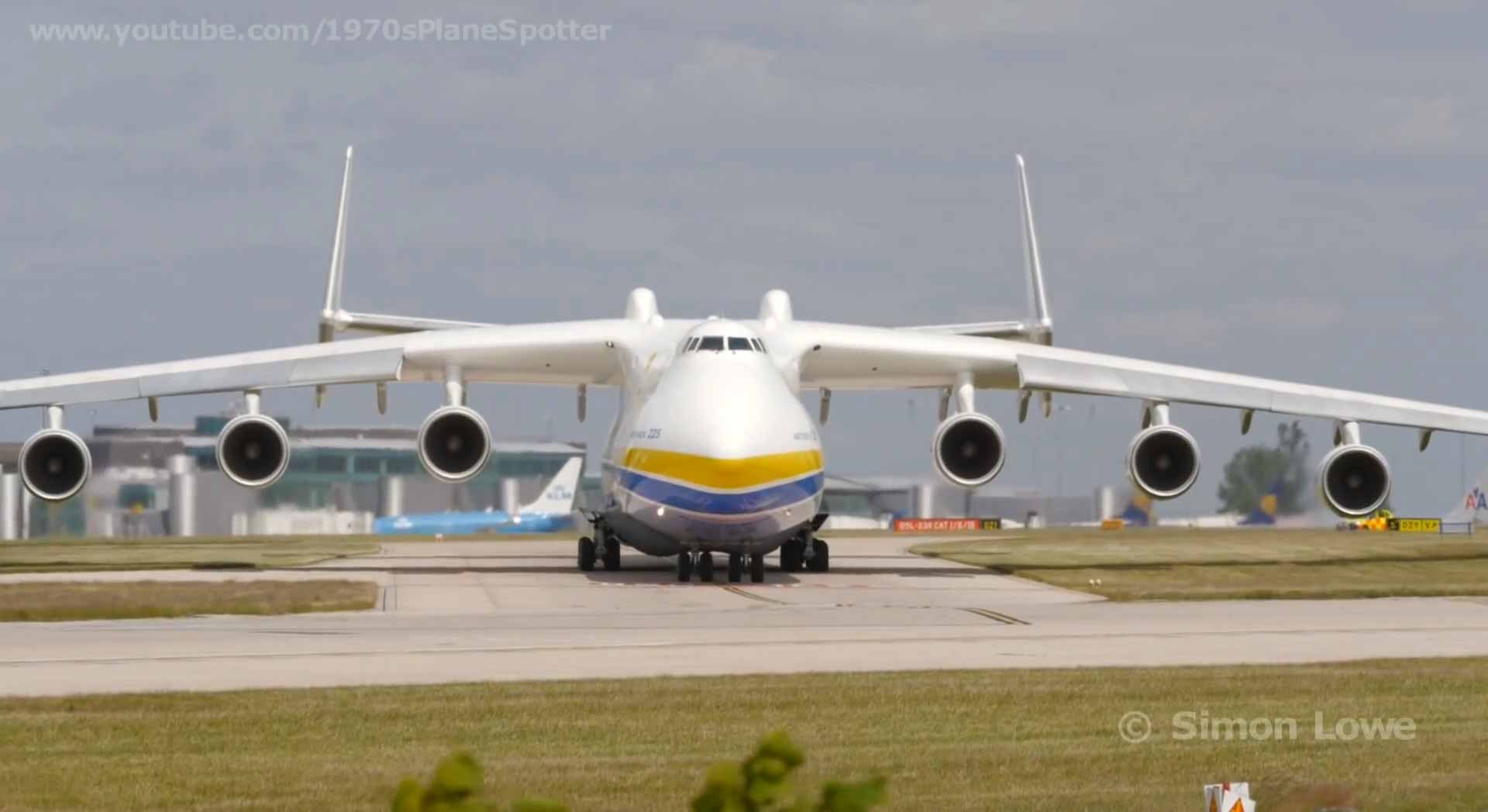
We are seeing a move toward “right-sizing”—matching the aircraft’s capacity exactly to the demand of the route. This reduces waste, lowers emissions, and improves the bottom line for airlines. While we may never see another passenger plane as large as the A380, its legacy lives on in the way we think about cabin comfort and global connectivity.
The A380 will continue to fly for several more years, serving as a majestic reminder of a time when the aviation industry dared to build the biggest possible machine to conquer the skies. For passengers, it remains a bucket-list experience; for economists, it remains a cautionary tale about the dangers of over-scaling in a volatile market.
The next major milestone for the industry will be the widespread integration of sustainable aviation fuels (SAF) and the first commercial hydrogen-powered flights, which are expected to undergo rigorous testing phases throughout the late 2020s. These developments will determine if the next “pride of the industry” will be defined by how many people it can carry, or how cleanly it can fly.
Do you think the era of the “superjumbo” was a mistake, or a necessary step in aviation evolution? Share your thoughts in the comments below and share this analysis with your network.
Worth a look