
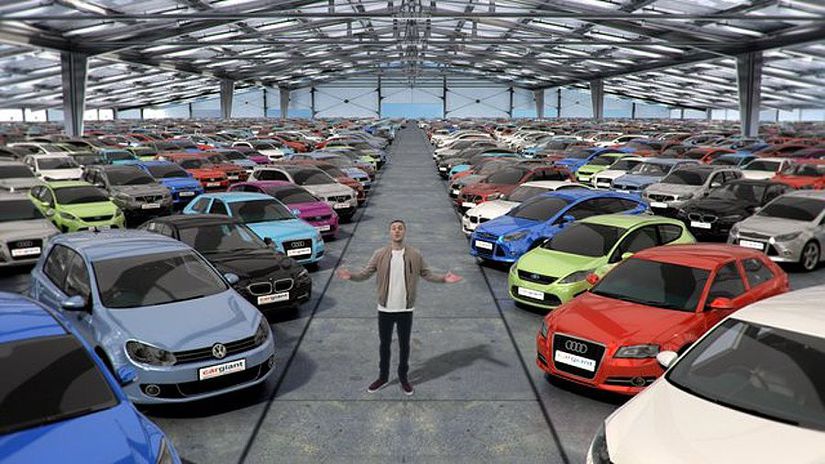
The automotive landscape of West London is facing the loss of one of its most imposing landmarks. Cargiant, the sprawling independent car supermarket that once defined the scale of used-car retailing, has announced We see closing its doors, marking the end of a five-decade era of high-volume commerce.
The announcement signals a managed wind-down of operations rather than a sudden collapse. The company is currently overseeing a controlled liquidation of its remaining inventory, while maintaining after-sales services exclusively to meet existing customer obligations. This strategic exit comes after the owners and employees concluded that the company’s traditional business model no longer maintains economic viability in the current market.
For decades, Cargiant operated less like a dealership and more like a dedicated automotive city. Its sheer scale allowed it to dominate the regional market by prioritizing immediate availability and rapid turnover, offering a “one-stop” experience where customers could compare dozens of similar vehicles on a single site and drive away almost instantly.
The Architecture of an Automotive Giant
The physical footprint of Cargiant was a central pillar of its brand identity. The site spanned approximately 46 acres (18.6 hectares), a massive expanse of land equivalent to roughly 26 football pitches. This vast area allowed the company to maintain an inventory that, during its peak years, featured more than 5,000 vehicles ready for immediate purchase.
This commitment to volume earned the company global recognition. In 2007, Cargiant was officially entered into the Guinness World Records as the largest independent car dealer in the world. The facility’s ability to process an immense volume of stock was unmatched, with the business capable of selling up to 1,000 cars per week during its most successful periods.
Over the course of its fifty-year history, the supermarket sold more than 1 million vehicles, cementing its place as a cornerstone of the UK’s used-car infrastructure and a case study in the economics of scale within independent retail.
A Shift in Economic Viability
The decision to close is described as a controlled termination of a business model that has ceased to make economic sense. While the company did not detail specific financial failures, the transition suggests a broader shift in how consumers interact with the automotive market—moving away from the “supermarket” physical experience toward more digitized or streamlined procurement methods.

According to company statements, the owners engaged in extensive consultations with employees to explore potential alternatives to closure. However, no reasonable path was found to sustain the sales volume required to keep such a massive physical operation profitable.
Unlike a traditional bankruptcy characterized by an abrupt cessation of activity, this managed wind-down is designed to protect stakeholders and ensure that existing customer contracts and after-sales commitments are honored before the gates close for good.
Real Estate and the Value of West London Land
While the retail model may have faltered, the underlying assets of the business remain significant. The land upon which Cargiant stands has seen substantial capital appreciation over the decades. Current estimates place the value of the site at nearly £100 million.
In the context of London’s constrained real estate market, the redevelopment potential of an 18.6-hectare plot is immense. The transition from a car supermarket to a different land leverage represents a common trend in urban economics, where the value of the land eventually eclipses the profit potential of the business operating upon it.
Key Operational Milestones
| Metric | Detail |
|---|---|
| Total Land Area | 46 acres (Approx. 26 football pitches) |
| Peak Weekly Sales | Up to 1,000 vehicles |
| Peak Inventory | 5,000+ vehicles on-site |
| Total Lifetime Sales | Over 1 million vehicles |
| World Record Status | Largest independent car dealer (2007) |
| Estimated Land Value | Approaching £100 million |
As the company proceeds with the sale of its remaining stock, the closure of Cargiant serves as a poignant reminder of the volatility of retail models in the face of changing consumer behavior and shifting urban land values. The “car city” that once welcomed thousands of buyers a week is now transitioning into a final chapter of liquidation.

The next confirmed step in the process is the continued sell-off of remaining vehicle inventory and the phased completion of existing after-sales service obligations. We will continue to monitor the status of the site’s potential redevelopment.
Do you have memories of visiting the “car city,” or do you believe the era of the physical car supermarket is officially over? Share your thoughts in the comments below.