
The conclusion of a television series often sparks intense debate, but few finales have invited the level of scrutiny and emotional investment seen with the second season of HBO’s Euphoria. For creator Sam Levinson, the process of bringing Rue Bennett’s journey to a temporary close was a deeply personal undertaking that required navigating the delicate intersection of narrative truth and character evolution.
In recent reflections on the show’s development, Levinson has opened up about the collaborative nature of the production, specifically highlighting the intense creative partnership he maintains with lead actress Zendaya. As the series has become a cultural phenomenon, the weight of portraying the complexities of addiction and recovery has remained a central pillar of the show’s identity. The creator noted that his discussions with the Emmy-winning star regarding the trajectory of her character were an “emotionally difficult experience,” underscoring the gravity with which both the creative team and the cast approach the subject matter.
A Collaborative Vision for Rue Bennett
At the heart of Euphoria lies the performance of Zendaya, whose portrayal of Rue has been widely recognized for its raw, unflinching honesty. Levinson’s remarks suggest that the finale was not merely a plot-driven event but the result of extensive dialogue about what would feel authentic to a character struggling with the cyclical nature of sobriety and relapse. He emphasized that while the final outcome for Rue may not have been the path he initially envisioned for her, he stands by the decision as the most honest representation of her journey.

This commitment to narrative integrity has been a hallmark of the series since its debut. By prioritizing character-driven storytelling over traditional resolutions, the show has managed to maintain a distinct voice within the crowded landscape of modern television. The creative friction between Levinson and his cast—particularly the back-and-forth exchanges about the stakes of the finale—serves as a testament to the show’s rigorous production standards.
The Impact of Colman Domingo’s Performance
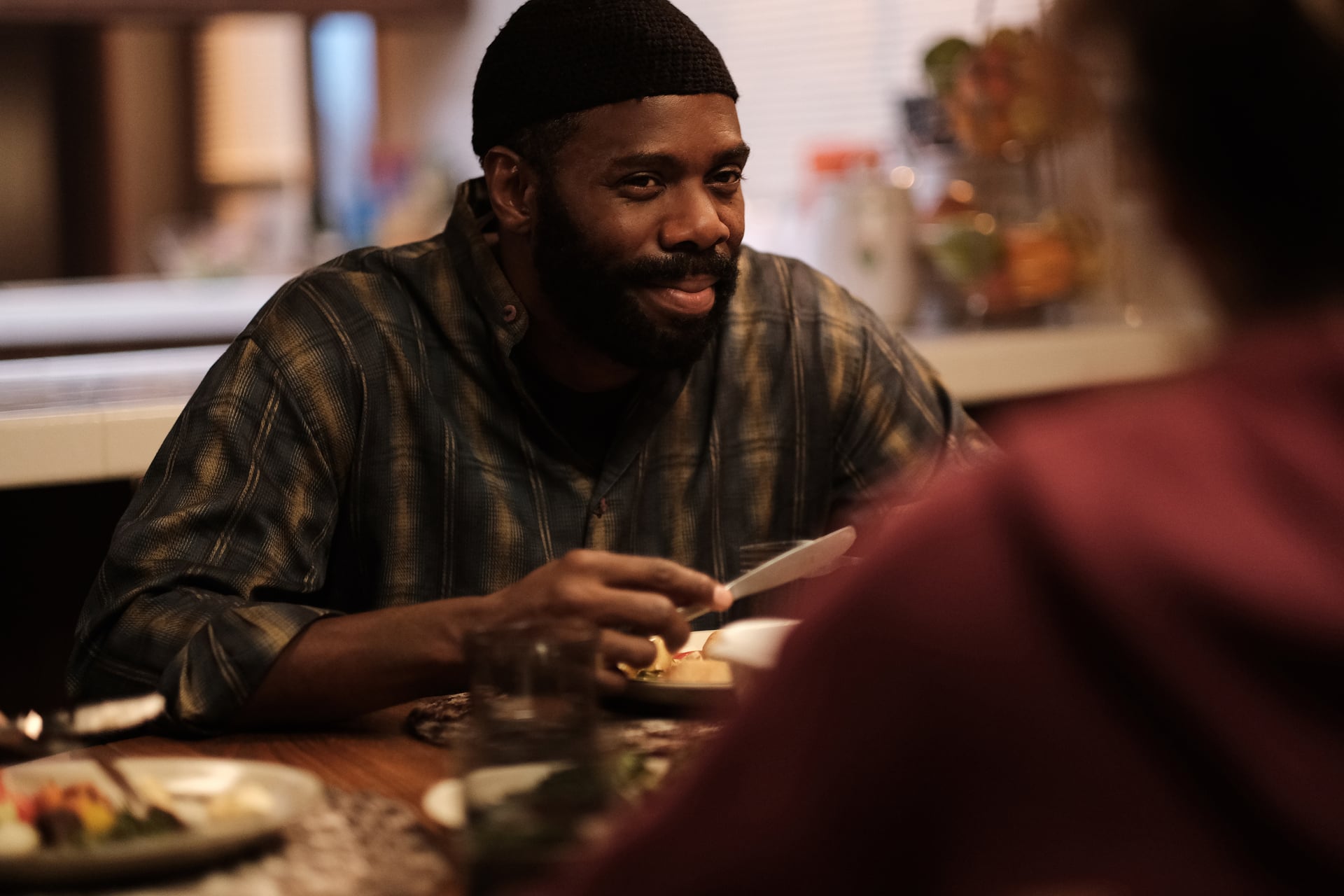
Beyond the central arc of Rue, the second season of Euphoria was bolstered by the standout performance of Colman Domingo, who plays Ali, a recovering addict who serves as a mentor and moral compass for the protagonist. Levinson was quick to praise Domingo’s contribution, noting the depth and nuance the actor brought to the role. In many ways, the scenes between Rue and Ali became the emotional anchor of the season, providing a counterpoint to the chaotic environments Rue often finds herself in.
Domingo’s work on the show has been lauded by critics and audiences alike, further cementing his status as one of the most versatile actors in contemporary film and television. His ability to convey profound empathy while maintaining a firm boundary with Rue’s character added a layer of complexity to the show’s exploration of support systems and the limitations of personal influence during the recovery process.
Understanding the Narrative Stakes
The finale’s reception highlights the ongoing conversation surrounding how television handles sensitive topics like substance abuse. By refusing to offer easy answers, the show has sparked significant discourse regarding the nature of “honest outcomes” in storytelling. For viewers, the experience of watching Euphoria is often characterized by this tension—between the desire for a character’s redemption and the reality of the obstacles they face.
As the industry continues to evolve, the focus on authentic representation—especially regarding mental health and addiction—remains paramount. The creative choices made by Levinson and his team reflect a broader industry trend toward prioritizing emotional truth, even when that truth is difficult to watch. This approach has not only defined the success of the series but has also set a high bar for how similar narratives are constructed in the future.
Looking Toward the Future of Euphoria
While the second season concluded with significant questions left unanswered, the anticipation for the show’s future remains high. The creative team’s dedication to maintaining the show’s specific tone and narrative intensity suggests that the upcoming chapters will likely continue to explore the themes of growth, loss, and the search for identity that have defined the series thus far.
For fans of the series, the wait for official updates on production timelines and cast returns can be long, but the commitment to quality remains the priority. The production has consistently demonstrated that it is willing to take the time necessary to craft stories that resonate deeply with its global audience. As news regarding the next steps for the show becomes available, it will be shared through official studio channels and verified industry outlets.
What are your thoughts on the evolution of Rue’s journey throughout the series? We invite you to share your reflections in the comments section below and join the ongoing conversation about the impact of Euphoria on modern television culture.
- Enzo Amato Interview: Storytime Radio Show Highlights
- Edinburgh Festival Fringe 2026: Ask Comedy Critic Brian Logan Your Questions
- Cris Collinsworth Praises Larry Fitzgerald And Discusses The Arizona Cardinals (news-usa.today)
- Christopher Nolan’s The Odyssey: IMAX 15/70mm vs. Home Cinema Experience (archyde.com)