
As a physician, I have long observed that our relationship with salt—a fundamental component of human nutrition—is far more complex than a simple matter of flavor. Recent research has shed light on how behavioral patterns surrounding sodium intake evolve as we age, revealing that a surprising salt habit remains prevalent among older populations. Understanding these tendencies is not merely an academic exercise; it is a critical step in addressing the long-term public health challenges associated with hypertension and cognitive health.
A recent observational study involving over 8,000 older adults has highlighted that the habit of adding extra salt at the table is more than just a culinary preference; it is a behavioral marker that varies significantly by gender. While the medical community has long warned that excessive sodium intake is linked to serious health problems, including cardiovascular disease and accelerated cognitive decline, this new data suggests that the drivers behind these habits are multifaceted and deeply rooted in lifestyle choices, particularly among women.
The Physiology of Sodium and Aging
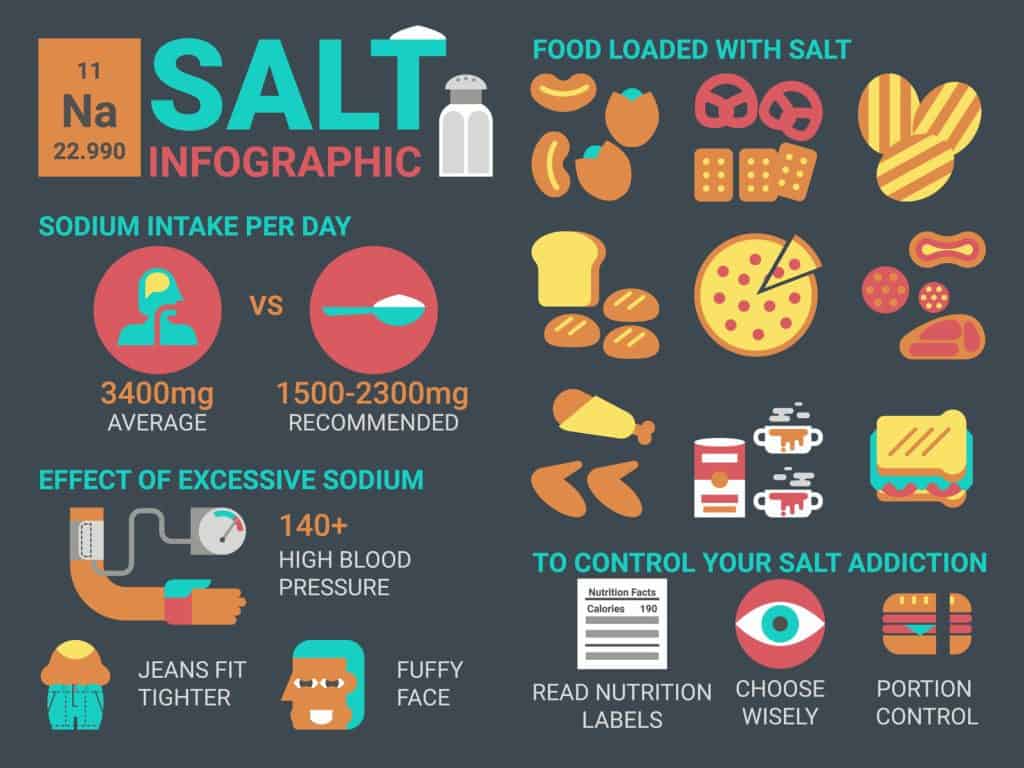
Sodium is an essential electrolyte, but the modern diet, often heavy in processed foods, frequently pushes intake levels well beyond the recommendations established by global health authorities. According to the World Health Organization, adults should consume less than 5 grams of salt—approximately one teaspoon—per day to reduce the risk of hypertension and stroke. As we age, our kidneys may become less efficient at processing high levels of sodium, making the management of dietary salt intake a vital component of geriatric care.

The study of 8,300 older adults underscores that the “salt-shaking” habit—the act of adding salt to food after it has been served—is a common practice that persists into later life. This behavior is particularly notable in men, who, according to researchers, appear less influenced by broader lifestyle health-consciousness than their female counterparts. For women, the study suggests that the tendency to add salt is often mediated by a complex interplay of diet quality and overall health behaviors, indicating that interventions aimed at reducing sodium intake must be tailored to specific demographic needs rather than applying a one-size-fits-all approach.
Why Salt Habits Matter for Cognitive Health
The link between high sodium intake and cognitive decline is a subject of intense interest within the neurology and public health communities. Chronic high blood pressure, a direct consequence of excessive sodium consumption, is a known risk factor for vascular dementia and cognitive impairment. The Centers for Disease Control and Prevention notes that reducing sodium can help lower blood pressure, which in turn protects the delicate vascular system that supplies the brain with oxygen-rich blood.
When we look at the behavioral data from this latest study, we see that the habit of reaching for the salt shaker is often a reflexive action. By identifying this as a specific behavioral target, public health officials can better design education programs that encourage older adults to taste their food before seasoning it. Shifting away from this habit is a simple, actionable change that can have profound long-term benefits for heart and brain health.
Tailoring Public Health Interventions
One of the most valuable insights from this research is the gender-based discrepancy in how salt habits are formed and maintained. If women’s salt usage is indeed more closely tied to their overall lifestyle and dietary patterns, then health initiatives directed at women should focus on holistic wellness and nutritional education. Conversely, for men, who may show less sensitivity to these lifestyle cues, the strategy may need to focus more on direct behavioral modification and environmental changes, such as removing salt shakers from the dining table entirely.
For those looking to manage their salt intake, the American Heart Association provides comprehensive guidance on reading nutrition labels and identifying “hidden” sodium in processed foods, which often accounts for the majority of daily intake. It is important to remember that table salt is only one part of the equation; processed breads, canned goods, and restaurant meals are frequently the primary sources of excess sodium.
Key Takeaways for Maintaining Heart Health
- Monitor Your Intake: Aim for the recommended daily limit of less than 5 grams of salt.
- Taste Before You Season: Avoid the automatic habit of adding salt to your meal before taking a bite.
- Prioritize Whole Foods: Focus on fresh ingredients to naturally lower your sodium consumption.
- Consult Your Physician: If you have high blood pressure, discuss a personalized sodium-reduction plan with your healthcare provider.
Looking Ahead: Future Research and Policy
As we move forward, the focus must remain on translating these findings into practical, community-level interventions. Future studies will likely continue to explore the specific mechanisms that link behavioral salt habits to long-term health outcomes. At the World Today Journal, we will continue to monitor updates from international health agencies regarding dietary guidelines and evidence-based strategies for promoting healthy aging.
Maintaining a healthy lifestyle is a lifelong process, and little, consistent changes—like reducing the amount of salt we add to our meals—can lead to significant health improvements over time. We encourage our readers to share their own experiences with dietary changes in the comments section below. What strategies have you found most effective for reducing sodium in your daily routine? Let us know, and stay tuned for our next feature on the latest advancements in geriatric wellness.