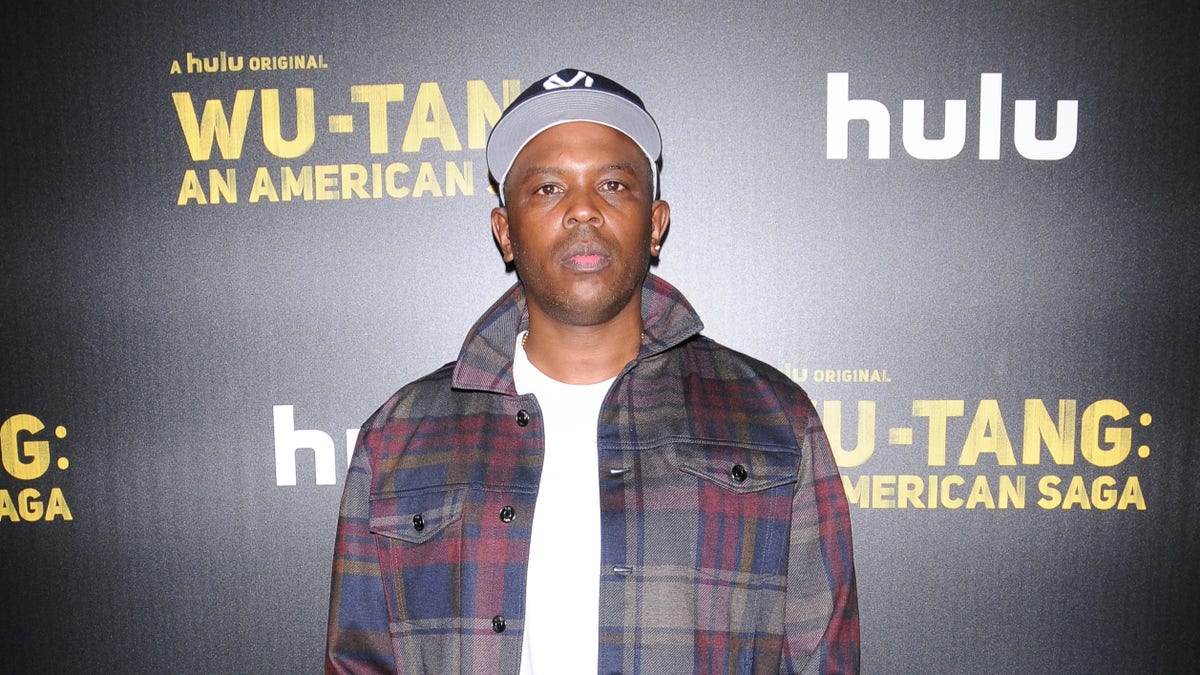
Visionary Entrepreneur and Wu-Tang Clan Architect Oliver “Power” Grant Dies at 52
The world of hip-hop and entrepreneurship is in mourning following the death of Oliver “Power” Grant, a foundational figure behind the groundbreaking Wu-Tang Clan. Grant, who passed away on February 23, 2026, at the age of 52, was instrumental in shaping the group’s trajectory from a Staten Island collective to a global cultural phenomenon. Beyond his role as an executive producer for all Wu-Tang Clan albums, Grant’s foresight led to the creation of Wu Wear, one of the first artist-inspired clothing lines, demonstrating a keen understanding of brand ownership and economic empowerment within the music industry. His passing, confirmed by multiple sources including the New York Daily News, marks the loss of a true visionary.
Born on November 3, 1973, in New York City, Grant’s roots were firmly planted in the Park Hill projects of Staten Island. It was there he forged lifelong friendships with the future members of the Wu-Tang Clan, a connection that would prove pivotal in the evolution of hip-hop. According to an obituary published by Memoritree Memorials, Grant’s early investment in the group’s potential earned him the moniker “Power” from the founding members, a testament to his belief in their artistry and business acumen. He wasn’t simply a financial backer. he was a strategic partner who understood the importance of controlling their narrative and their revenue streams.
Tributes have poured in from across the music industry and beyond, reflecting the profound impact Grant had on countless individuals. Method Man shared a heartfelt message on Instagram, expressing his grief and disbelief, stating, “Paradise my Brother save travels!! Bruh I am not OK.” RZA, a founding member of the Wu-Tang Clan, posted a simple black square with the number “5” on his Instagram feed, a poignant tribute to his fallen brother. These expressions of sorrow underscore the deep personal connections Grant cultivated throughout his life and career. The Wu-Tang Clan was nominated for induction into the Rock & Roll Hall of Fame the same week as Grant’s death, a bittersweet moment for the collective.
Rest in Power, Power. ✊🏾 https://t.co/wJ9wJq9w9w
From Staten Island Roots to Global Influence
Grant’s journey began in Jamaica before his family settled in Staten Island, where he quickly became intertwined with the burgeoning hip-hop scene. His childhood friendship with Mitchell “Divine” Diggs, the older brother of RZA, laid the foundation for his involvement with the Wu-Tang Clan. As detailed in the book “Hip Hop in America,” Grant’s early financial support was crucial in enabling the group to record and distribute their music independently, a move that would ultimately define their unique sound and brand. This early investment wasn’t merely a business transaction; it was a demonstration of faith in the collective’s artistic vision.
Beyond his financial contributions, Grant served as the executive producer for all Wu-Tang Clan albums, meticulously overseeing their financing, style and content. This role demanded a keen understanding of both the artistic and commercial aspects of the music industry, and Grant excelled in both areas. He understood the importance of maintaining creative control while simultaneously building a sustainable business model. His strategic guidance helped the Wu-Tang Clan navigate the complexities of the music industry and establish themselves as a force to be reckoned with.
The Birth of Wu Wear and a Legacy of Entrepreneurship
Recognizing the potential for extending the Wu-Tang Clan’s brand beyond music, Grant founded Wu Wear in 1995. This pioneering clothing line, often regarded as one of the first artist-inspired apparel brands, quickly gained traction within hip-hop culture and eventually achieved mainstream retail success. Wu Wear wasn’t just about selling clothes; it was about empowering the community and demonstrating the economic potential of the hip-hop movement. Grant’s vision extended beyond profit margins; he sought to create a brand that resonated with fans and represented a sense of pride and identity.
Grant’s entrepreneurial spirit didn’t stop at Wu Wear. He ventured into film and gaming, showcasing his versatility as an actor in movies such as “Belly” (1998) and “Black and White,” and as a producer for the video game “Wu-Tang: Shaolin Style.” These ventures demonstrated his ability to adapt to different mediums and expand the Wu-Tang Clan’s reach into new markets. His willingness to explore different avenues for creative expression solidified his reputation as a true innovator.