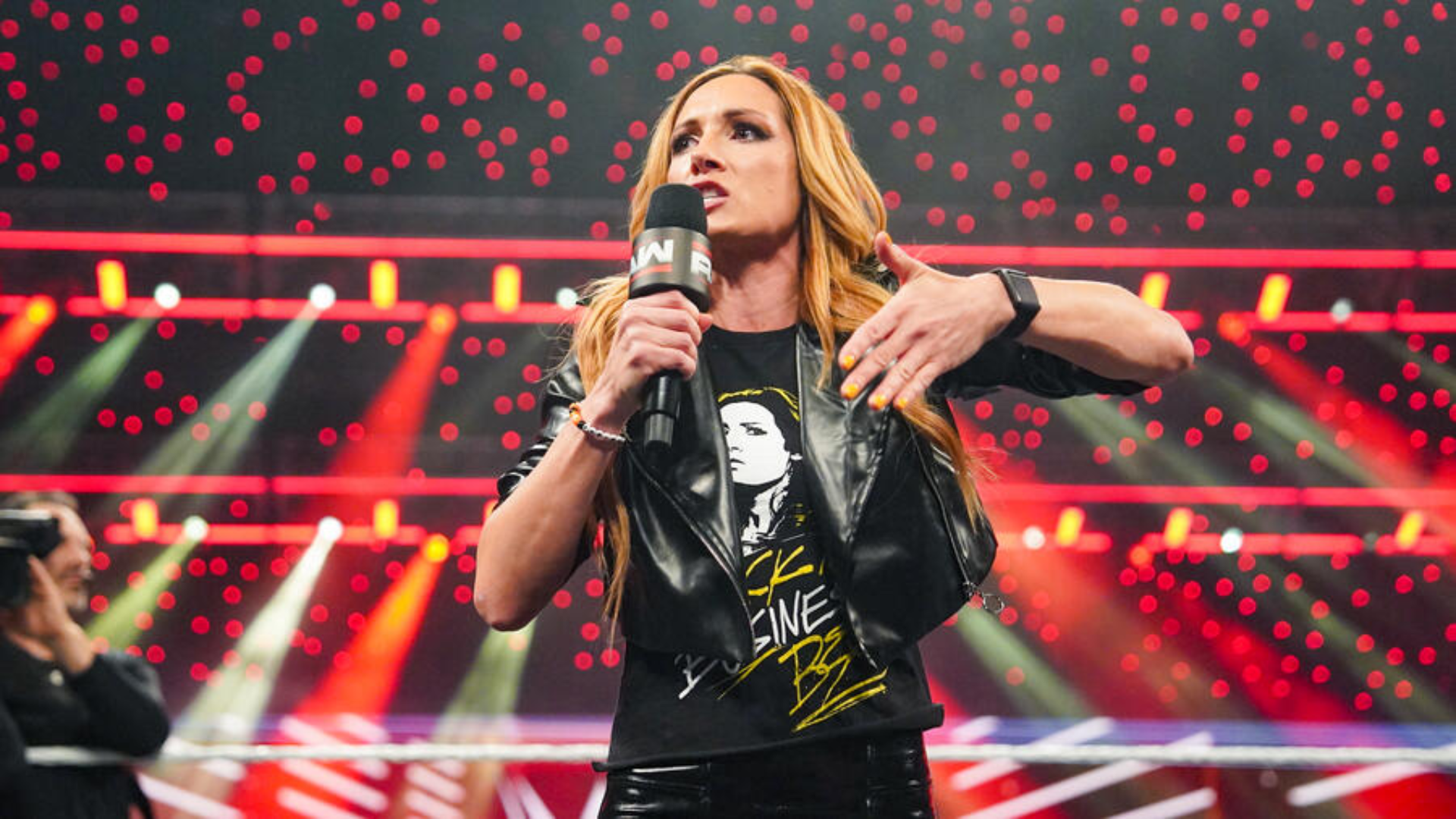
The World Wrestling Entertainment (WWE) continues to proactively secure its intellectual property, recently filing a new series of trademarks with the United States Patent and Trademark Office. These filings, building on previous submissions earlier in the month, cover both established star power in the form of Becky Lynch, and a range of names associated with its developmental brand, NXT. This strategic move underscores the company’s commitment to protecting its brand identity and future ventures within the professional wrestling landscape.
On February 27, 2026, WWE filed trademarks for “Lasskicker,” alongside the names of several NXT performers: “Sean Legacy,” “The Vanity Project,” “Eli Knight,” “Jackson Drake,” “Ricky Smokes,” and “Brad Baylor.” The trademark applications, as detailed on the USPTO website, encompass a broad range of entertainment services, including live wrestling exhibitions, broadcast media appearances, and online content distribution. The filings too extend to related merchandise, news dissemination, and fan engagement activities. This demonstrates WWE’s intention to fully capitalize on the recognition and potential of these names across multiple platforms.
Protecting the “Lasskicker” Brand and NXT Talent
The inclusion of “Lasskicker” is particularly noteworthy, as it represents a widely recognized nickname for Becky Lynch, one of WWE’s most prominent and successful female wrestlers. Lynch, whose real name is Rebecca Quin, has become a global icon in the sport, known for her compelling character work and in-ring prowess. Securing the trademark for “Lasskicker” solidifies WWE’s control over this popular moniker, preventing unauthorized use and protecting its commercial value. According to the USPTO filing, the trademark covers “Entertainment services, namely, wrestling exhibitions and performances by a professional wrestler and entertainer rendered live and through broadcast media including television and radio, and via the internet or commercial online service.”
Beyond Lynch, the filings for the NXT roster members suggest WWE is investing in the long-term potential of its developmental system. NXT serves as a crucial training ground for aspiring professional wrestlers, and these trademark applications indicate the company anticipates these performers will become significant assets in the future. The trademarks cover the same broad range of entertainment services as the “Lasskicker” filing, signaling a comprehensive approach to brand protection for these emerging talents. This proactive approach is common within WWE, as they frequently trademark names of performers even before they achieve mainstream recognition.
Recent Trademark Activity and Expansion into New Areas
This latest round of trademark filings follows a previous submission on February 19, 2026, where WWE sought to trademark “CJ Valor,” “Kai Kavari,” “Santi Rivera,” and “Romeo Moreno.” These filings further demonstrate the company’s ongoing efforts to secure intellectual property rights for potential future stars. WWE has also been actively pursuing trademarks related to potential new ventures beyond traditional wrestling programming. Recent filings include trademarks for “WWE Eras Collide,” “WWE Generations,” and “WWE Domination,” specifically for video game purposes. This signals a potential expansion into the gaming market, leveraging the popularity of its wrestling IP.
The company has also recently trademarked the names “Tristan Angels” and “Dorian Van Dux,” further highlighting its commitment to securing the identities of its performers. These filings, combined with the latest submissions, paint a picture of a company actively preparing for future growth and diversification. The broad scope of the trademark applications – encompassing live events, broadcast media, online content, and merchandise – underscores WWE’s intention to maximize the commercial potential of its intellectual property.
The Significance of Trademark Filings in Professional Wrestling
Trademark filings are a standard practice within the professional wrestling industry. They serve several key purposes, including preventing other companies or individuals from exploiting a wrestler’s name or likeness, protecting the brand identity of the promotion, and creating opportunities for licensing and merchandising. In a business heavily reliant on character development and storytelling, controlling the intellectual property associated with those characters is paramount. A strong trademark portfolio allows WWE to maintain exclusive rights over its performers’ names, catchphrases, and other identifying elements.
The legal process of securing a trademark can be lengthy and complex. Once a trademark application is filed, it undergoes review by the USPTO to ensure it meets the necessary requirements. This includes verifying that the mark is not already in use and that This proves distinctive enough to be protected. If the application is approved, the trademark is registered, granting WWE exclusive rights to use the mark in connection with the specified goods and services. The process can take several months, or even years, to complete.
Looking Ahead: WWE’s Continued Investment in its Brand
WWE’s recent trademark activity reflects a broader strategy of investing in its brand and securing its future. The company has been undergoing significant changes in recent years, including a merger with UFC under the TKO Group Holdings umbrella. This merger has created a new powerhouse in the combat sports entertainment industry, and WWE is likely to continue leveraging its intellectual property to drive growth and innovation. The trademarks filed for NXT performers, in particular, suggest a continued commitment to developing the next generation of wrestling stars.
The company’s expansion into video games, as evidenced by the trademarks for “WWE Eras Collide,” “WWE Generations,” and “WWE Domination,” represents a potential new revenue stream and a way to reach a wider audience. The success of wrestling-themed video games in the past demonstrates the demand for this type of content, and WWE is well-positioned to capitalize on that demand. The trademarks also provide a foundation for potential future collaborations with game developers and publishers.
As WWE continues to evolve, its commitment to protecting its intellectual property will remain a critical component of its business strategy. The recent trademark filings are a clear indication that the company is taking proactive steps to safeguard its brand and ensure its long-term success in the competitive world of sports entertainment. The next step in the process will be the USPTO’s review of these applications, and wrestling fans will be watching closely to see which trademarks are ultimately approved.
The company has not yet announced any specific plans for how it intends to utilize these trademarks, but the filings provide a glimpse into its future ambitions. Fans can expect to see continued investment in both established stars like Becky Lynch and emerging talents from NXT, as well as potential expansion into new areas such as video gaming. The ongoing trademark activity underscores WWE’s commitment to remaining a dominant force in the world of professional wrestling for years to come.
Stay tuned to World Today Journal for further updates on WWE’s trademark filings and other developments in the world of professional wrestling. We will continue to provide comprehensive coverage of the industry, bringing you the latest news and insights from around the globe.
Keep reading