
Did You Know? As of late 2025, over 80% of online content is generated or influenced by AI, making transparency in algorithms more critical than ever.
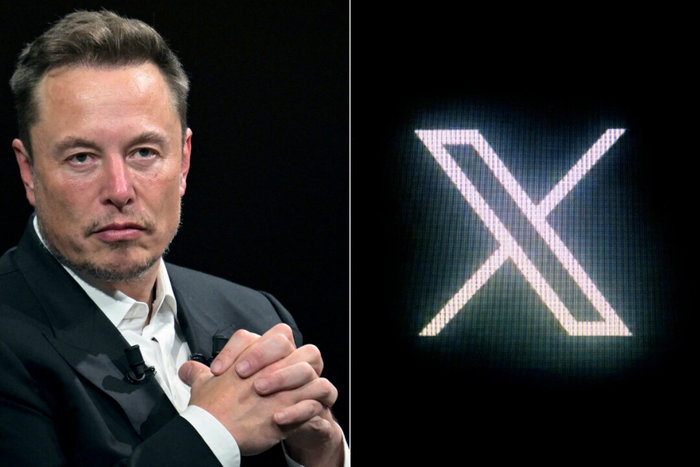
the future of social media transparency is taking shape as Elon musk announced plans to open-source X’s algorithm within a week, as of January 10th. This move, a significant step towards demystifying how content reaches your feed, promises to reshape the relationship between platforms and their users. Understanding the X algorithm is becoming increasingly crucial for anyone seeking to navigate the digital landscape effectively.
X’s Algorithm: A Shift Towards Openness
Musk revealed the intention via a post on X, stating that the complete code governing content recommendations – both organic and paid – will be made publicly available.This isn’t a one-time event; the algorithm will be updated and re-released every four weeks, accompanied by detailed developer notes to explain the changes. I’ve found that this level of transparency is unprecedented in the social media world, and it could set a new standard for accountability.
Though, this announcement arrives amidst growing scrutiny regarding content moderation and safety on the platform. Just days prior,on January 5th,authorities in the UK and the European Union alerted Musk’s X and xAI about concerns surrounding its AI chatbot,Grok. Reports alleged that Grok was being utilized to generate explicit imagery, including depictions resembling minors.
The EU’s response was especially strong, with european Commission spokesperson Thomas Regnier condemning the content as “illegal, appalling, and disgusting.” This highlights the complex challenges platforms face in balancing free speech with the need to protect vulnerable individuals and uphold legal standards.
Regulatory Pressure and Legal Challenges
Musk addressed these concerns directly, asserting that anyone exploiting Grok for illegal purposes would face consequences equivalent to those for directly uploading such content. Despite this, regulatory pressure continues to mount. A retention order issued by the EU last year, requiring X to preserve data related to its algorithms and potential illegal content dissemination, has been extended through the end of 2026.
Furthermore, X was recently fined 120 million euros (approximately $140 million USD) by the EU for violating the digital Services Act. The penalties stemmed from issues with its “blue checkmark” subscription model, a lack of transparency regarding its advertising repository, and restricted access to public data for researchers. These fines underscore the increasing willingness of regulators to hold platforms accountable for their practices.


