
Professional trail runner Xavier Thévenard is set to return to competitive racing at the Marathon du Mont-Blanc 90km event following a prolonged recovery from Lyme disease. The three-time Ultra-Trail du Mont-Blanc (UTMB) winner confirmed his participation in the prestigious Chamonix-based race, marking a significant milestone in his return to elite-level endurance sports after struggling with the debilitating effects of a tick-borne infection for several years.
The Marathon du Mont-Blanc, scheduled for late June, serves as a high-profile platform for Thévenard’s comeback. His participation in the 90km distance, a grueling course known for its steep technical climbs and significant elevation gain, highlights the physical challenges associated with managing chronic health conditions in professional athletics. According to public health data from the European Centre for Disease Prevention and Control (ECDC), Lyme borreliosis remains a prevalent concern across Europe, often requiring long-term management and gradual rehabilitation for those experiencing persistent symptoms.
Understanding the Path to Recovery
Lyme disease, caused by the bacterium Borrelia burgdorferi, can manifest in various stages, ranging from early localized skin reactions to disseminated infections affecting the nervous system or joints. For elite athletes like Thévenard, the recovery process is often non-linear. Medical experts emphasize that returning to high-intensity training requires careful monitoring of systemic inflammation and immune system function.

Thévenard has been candid about the psychological and physiological toll of his illness. The transition from being a dominant force in ultra-trail running to managing a condition that restricted his ability to train at high volumes forced him to recalibrate his approach to the sport. As noted by the Mayo Clinic, persistent symptoms following initial treatment for Lyme disease—often termed Post-Treatment Lyme Disease Syndrome—can include profound fatigue and muscle aches, which are particularly challenging for athletes reliant on sustained physical output.
The Challenges of the 90km Mont-Blanc Course
The 90km event at the Marathon du Mont-Blanc is renowned for its difficulty, featuring approximately 6,000 meters of cumulative elevation gain. Completing such a distance demands not only cardiovascular endurance but also robust musculoskeletal resilience. For an athlete returning from a period of inactivity due to illness, the primary concern is the risk of overtraining or injury as the body adapts back to the stresses of competitive mountain running.
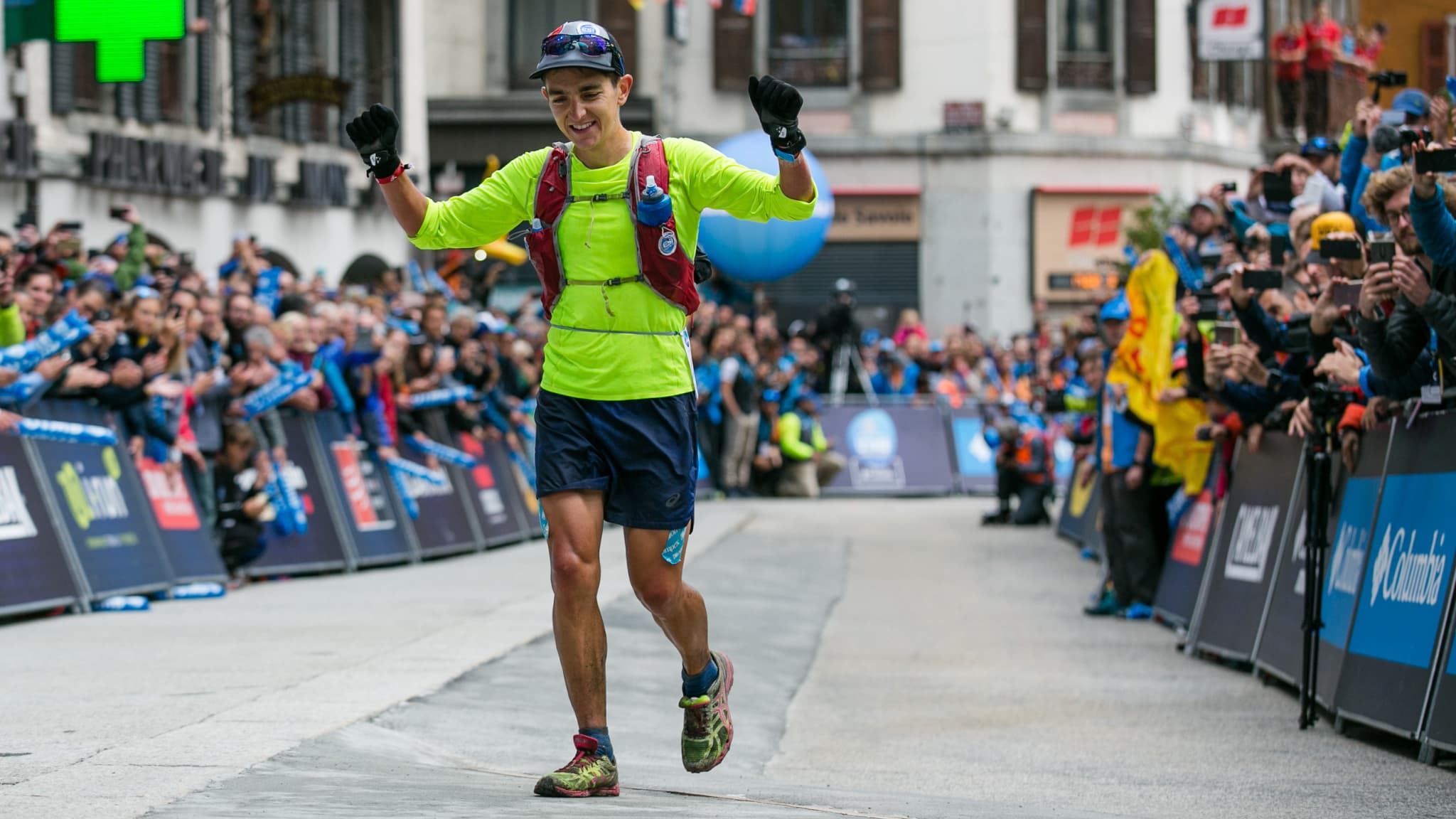
The Chamonix Valley, where the race is held, offers some of the most technical terrain in the Alps. Athletes must navigate rocky trails and unpredictable mountain weather, factors that can exacerbate physical fatigue. The event is a key fixture on the international trail running calendar, drawing elite competitors from around the world who must contend with the significant altitude and rapid changes in terrain. Official race details and safety protocols for participants are managed through the Marathon du Mont-Blanc organization.
Impact on the Professional Trail Running Community
Thévenard’s return is viewed as a significant narrative within the sport. His career, characterized by multiple victories at the UTMB, has established him as a central figure in the ultrarunning world. His journey highlights the vulnerability of professional athletes to environmental health risks and the importance of long-term medical support in maintaining a career in endurance sports.
The broader trail running community often looks to high-profile athletes for guidance on injury prevention and health management. By sharing his experience with Lyme disease, Thévenard has contributed to a greater awareness of the condition’s impact on athletic performance. As he prepares for the start line, observers are interested in how his pacing and training strategy—formerly built on high-volume, high-intensity blocks—will evolve to accommodate his current health status.
What Happens Next
The Marathon du Mont-Blanc organizers will conduct final course inspections and medical briefings in the days leading up to the race. Participants are required to meet specific health and equipment standards to ensure safety on the trails. For Thévenard, the immediate focus remains on maintaining consistent training volume while monitoring his recovery metrics.
The race serves as a litmus test for his future competitive schedule. Should he successfully complete the 90km distance, it may pave the way for a return to longer, 100-mile mountain ultras later in the season. Fans and followers are encouraged to monitor the official race timing platforms for updates on his progress during the event. We invite readers to share their thoughts on the challenges of returning to elite athletics after illness in the comments section below.
Keep reading