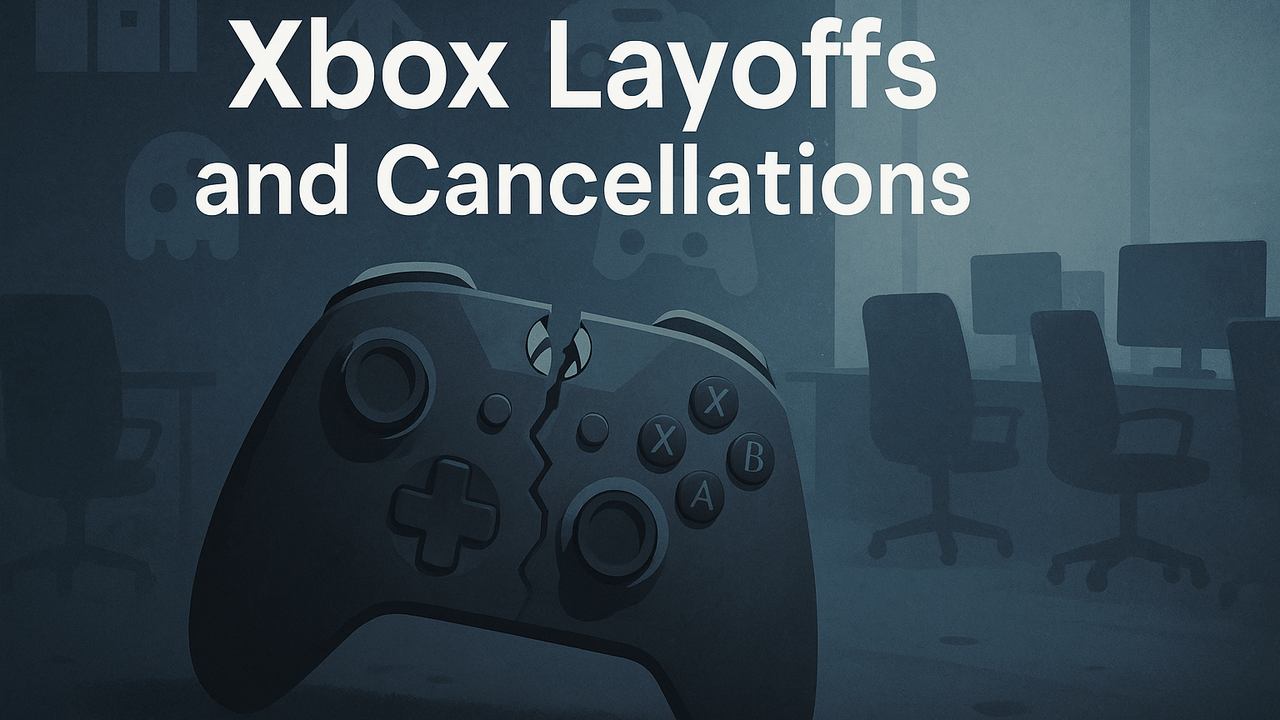
Microsoft is preparing a new round of workforce reductions within its Xbox division this July, according to reports from Bloomberg, as the company attempts to stabilize declining profit margins through a transition toward ad-supported gaming models. This restructuring comes as leadership seeks to balance the massive costs of recent high-profile acquisitions with the need for sustainable, long-term revenue streams in the highly competitive console and cloud gaming markets.
While the specific number of affected employees has not been officially confirmed by Microsoft, the move signals a significant shift in how the gaming giant intends to monetize its ecosystem. Instead of relying solely on the recurring revenue of the Xbox Game Pass subscription, the company is exploring a hybrid business model that integrates advertising into its cloud streaming services, potentially offering free-to-play options to users in exchange for viewing ads.
The strategic pivot follows a period of intense spending and organizational integration. Since the completion of the $68.7 billion acquisition of Activision Blizzard, Microsoft has faced the dual challenge of integrating massive new studio rosters while managing the immediate financial pressures of a shifting macroeconomic environment. Industry analysts suggest that the current restructuring is an effort to align the Xbox division’s headcount with its new, service-oriented goals.
Why is Xbox shifting toward an ad-supported model?
The move toward advertising-supported streaming represents a fundamental change in Microsoft’s gaming philosophy. For years, the Xbox growth strategy has centered on the Game Pass subscription, a model designed to provide a “Netflix-style” library of games for a monthly fee. However, as profit margins face pressure, leadership is looking toward the “attention economy” to capture a broader segment of the global gaming population.
According to industry analysts, an ad-supported tier allows Microsoft to reach casual gamers who may be unwilling or unable to commit to a monthly subscription. By offering cloud-based streaming of select titles with embedded advertisements, Microsoft can monetize users through high-volume impressions, similar to the models used by YouTube or Spotify. This approach aims to lower the barrier to entry for mobile and low-end hardware users, expanding the total addressable market for Xbox content without requiring additional hardware sales.
This shift is not without its risks. Critics and long-time subscribers have expressed concerns regarding the potential “devaluation” of the premium Game Pass experience. The challenge for Microsoft will be implementing advertising in a way that does not disrupt the gameplay experience or alienate the core user base that currently drives the subscription’s success.
How will the July layoffs affect Xbox developers?
The announced restructuring in July is expected to impact various departments, likely including both corporate functions and specific development teams. While Microsoft has not released a detailed list of affected studios, the timing is particularly sensitive as the company attempts to integrate the massive workforces of Activision Blizzard and Bethesda Softworks.
For developers, these layoffs often mean a shift in focus toward “live service” games and cloud-compatible titles. The recent news surrounding Gears of War: E-Day highlights the volatility within the studio system. While there have been rumors and leaks regarding the game’s development and potential platform availability, Microsoft has remained focused on maintaining studio stability amidst the broader corporate reorganization.
The impact on game development is multifaceted. On one hand, the drive for efficiency may lead to more streamlined production cycles. On the other, the pressure to create content that fits an ad-supported or high-engagement streaming model could influence the types of games being greenlit. Studios may increasingly be tasked with developing titles that support long-term engagement and monetization through microtransactions or integrated advertising, rather than traditional one-time purchase models.
Comparing the old and new Xbox business models
The transition from a hardware-and-subscription focus to a service-and-advertising focus represents one of the most significant pivots in the history of the gaming industry. The following table outlines the primary differences between the traditional Xbox approach and the emerging strategy.
| Feature | Traditional Model (Hardware/Subscription) | Emerging Model (Service/Advertising) |
|---|---|---|
| Primary Revenue Source | Console sales & Game Pass monthly fees | Advertising revenue & Microtransactions |
| User Entry Barrier | High (Requires console or paid subscription) | Low (Free-to-play via ad-supported streaming) |
| Target Audience | Core gamers & Console enthusiasts | Casual gamers & Mobile/Cloud users |
| Key Technology | Xbox Series X|S Hardware | Xbox Cloud Gaming & Cross-platform services |
This evolution mirrors broader trends in the technology sector, where companies are increasingly moving away from one-time product sales toward recurring, multi-channel revenue streams. For Microsoft, the goal is to ensure that the Xbox brand is ubiquitous, regardless of whether a user owns a $500 console or a five-year-old smartphone.
What happens next for Microsoft Gaming?
The immediate future for Xbox will be defined by how effectively the company can execute this restructuring without losing key talent or momentum in its game development pipeline. Investors will be closely watching Microsoft’s upcoming quarterly earnings reports to see if the cost-cutting measures in July successfully translate into improved profit margins.
Key milestones to watch include:
- Quarterly Financial Filings: These will provide the first verified data on whether the profit decline mentioned in recent reports has stabilized.
- Game Pass Tier Announcements: Official confirmation of an ad-supported tier will reveal the specific mechanics of how ads will be integrated into the user experience.
- Major Title Releases: The performance of high-profile titles from Activision Blizzard and Bethesda will serve as a litmus test for the success of the recent acquisitions.
As Microsoft navigates this period of intense transition, the gaming industry will be watching to see if this “service-first” model can successfully replace the traditional hardware-centric era, or if the push for advertising will create new friction within the gaming community.
What do you think about the move toward ad-supported gaming? Will it make Xbox more accessible, or will it ruin the experience? Let us know in the comments below and share this article with your network.
Worth a look