
Rumors surrounding Microsoft’s hardware strategy indicate that a confidential initiative known internally as Project Helix could potentially restrict third-party digital storefronts like Steam on a forthcoming Xbox console. According to industry insiders and reports from outlets such as Notebookcheck, the hardware pivot aims to lower the retail price of next-generation Xbox hardware to compete more aggressively in the living room entertainment market.
As the video game industry grapples with rising hardware manufacturing costs and shifting consumer habits, platform holders are exploring aggressive pricing models. Restricting open PC storefronts on a dedicated console platform would mirror traditional console business models, where manufacturers subsidize hardware costs through software sales commissions rather than open ecosystem access.
Neither Microsoft nor any official hardware partners have formally confirmed the existence of Project Helix or any specific pricing targets for a future console release. However, discussions surrounding closed versus open ecosystems have intensified as handheld gaming PCs and hybrid devices blur the line between traditional consoles and personal computers.
Understanding Project Helix and Platform Strategy
The concept behind Project Helix points to a strategic evaluation within consumer electronics divisions regarding how living room hardware is monetized. Traditional game consoles have historically been sold at or near manufacturing cost, with companies recouping development expenses by taking a percentage of software sales on their proprietary digital stores.
Opening a dedicated console to third-party storefronts like Valve’s Steam would allow players to purchase games across alternative ecosystems, potentially bypassing the platform holder’s digital marketplace. Industry analysts note that while an open ecosystem appeals to enthusiasts seeking flexibility and lower game prices, it undermines the hardware subsidy model that has sustained traditional console manufacturing for decades.
By potentially blocking external PC storefronts on upcoming hardware, Microsoft could maintain strict control over digital distribution revenue. That revenue retention serves as the primary financial mechanism required to lower upfront retail price points for consumers purchasing the physical console.
Market Pressures on Next-Generation Hardware Pricing
Consumer electronics manufacturing costs have faced continuous upward pressure due to semiconductor supply chain shifts and inflation affecting advanced silicon production. High production expenses have driven retail prices for current-generation consoles and high-end gaming hardware upward, creating a barrier for mass-market adoption.
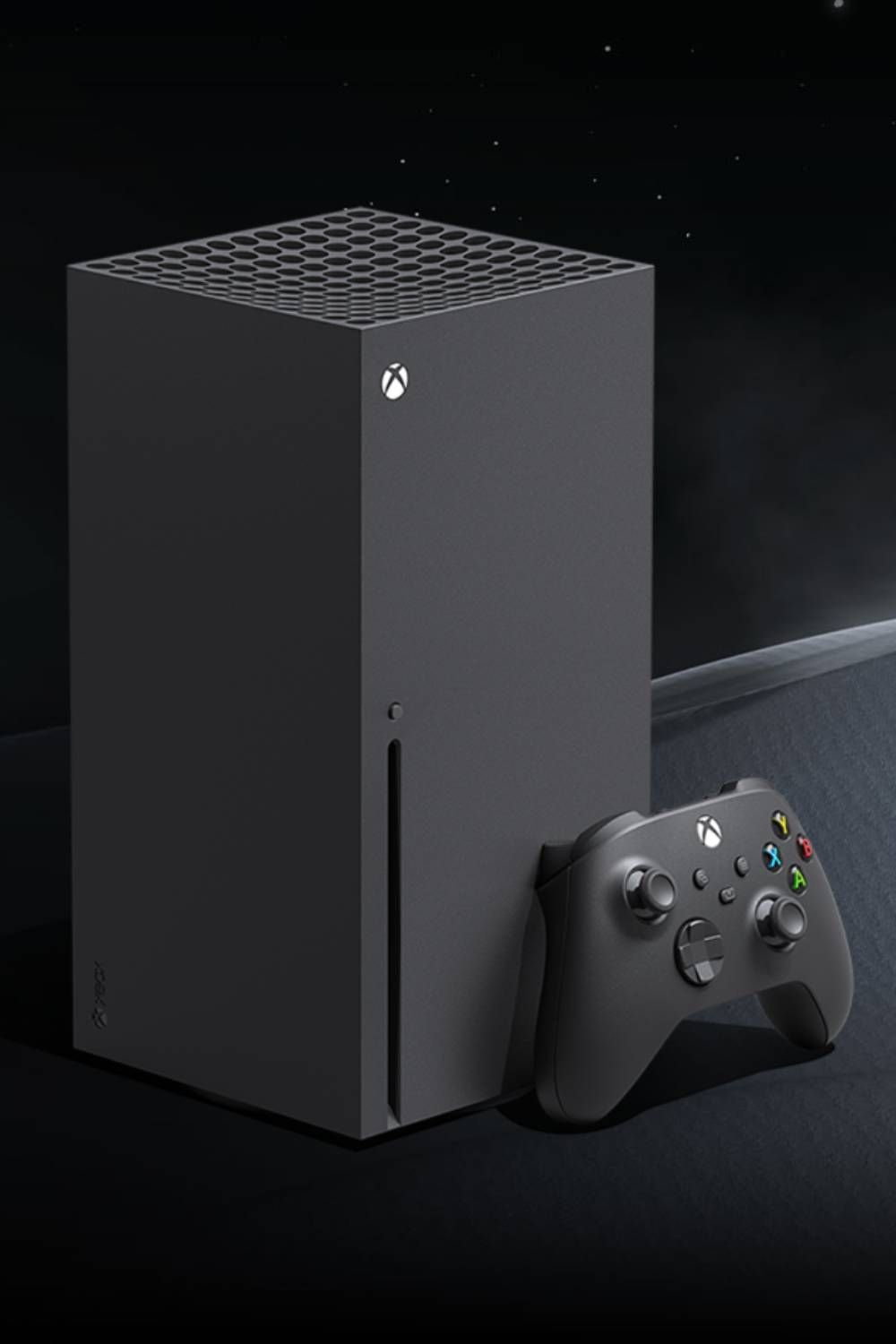
Hardware developers face a difficult balancing act between packing cutting-edge components into a living room device and keeping the final sticker price within reach of casual consumers. Price sensitivity remains one of the most critical factors in console adoption rates during a platform’s initial launch window.
By trimming features or enforcing closed digital ecosystems, manufacturers can optimize supply chains and negotiate better component pricing at scale. Observers point out that aggressive pricing strategies are often necessary to gain market share, particularly when competing against entrenched rivals and portable gaming devices.
Implications for Gamers and Digital Storefronts
The potential restriction of platforms like Steam on a mainstream Xbox device would mark a distinct philosophical approach compared to the growing convergence of Windows and Xbox software ecosystems. Over recent years, Microsoft has expanded cross-play and cross-buy initiatives, bringing Xbox Game Pass and first-party titles to broader audiences across multiple platforms.
Limiting a dedicated living room machine to a closed store environment contrasts with the open nature of modern handheld gaming PCs running Windows or Linux. Consumers increasingly expect hardware flexibility, making any step toward walled gardens a subject of intense debate within the gaming community.
As hardware roadmaps evolve, industry watchers continue to monitor official communications from Microsoft regarding future console specifications, pricing structures, and ecosystem openness. Stakeholders and consumers awaiting official clarity can follow announcements directly through the Xbox Wire portal or major corporate investor briefings for verified updates on upcoming hardware releases.
Keep reading
- Comcast Manager Allegedly Smashed Pies in Employees’ Faces to Punish Low Sales
- Google Cloud, SnapLogic, and Appian Launch New Enterprise AI Agent Platforms
- Chelsea Set Sale Price for Enzo Fernández After Rejecting Pay Rise (archynewsy.com)
- Dapagliflozin 10mg Medication Access: Reference Price System (world-today-news.com)