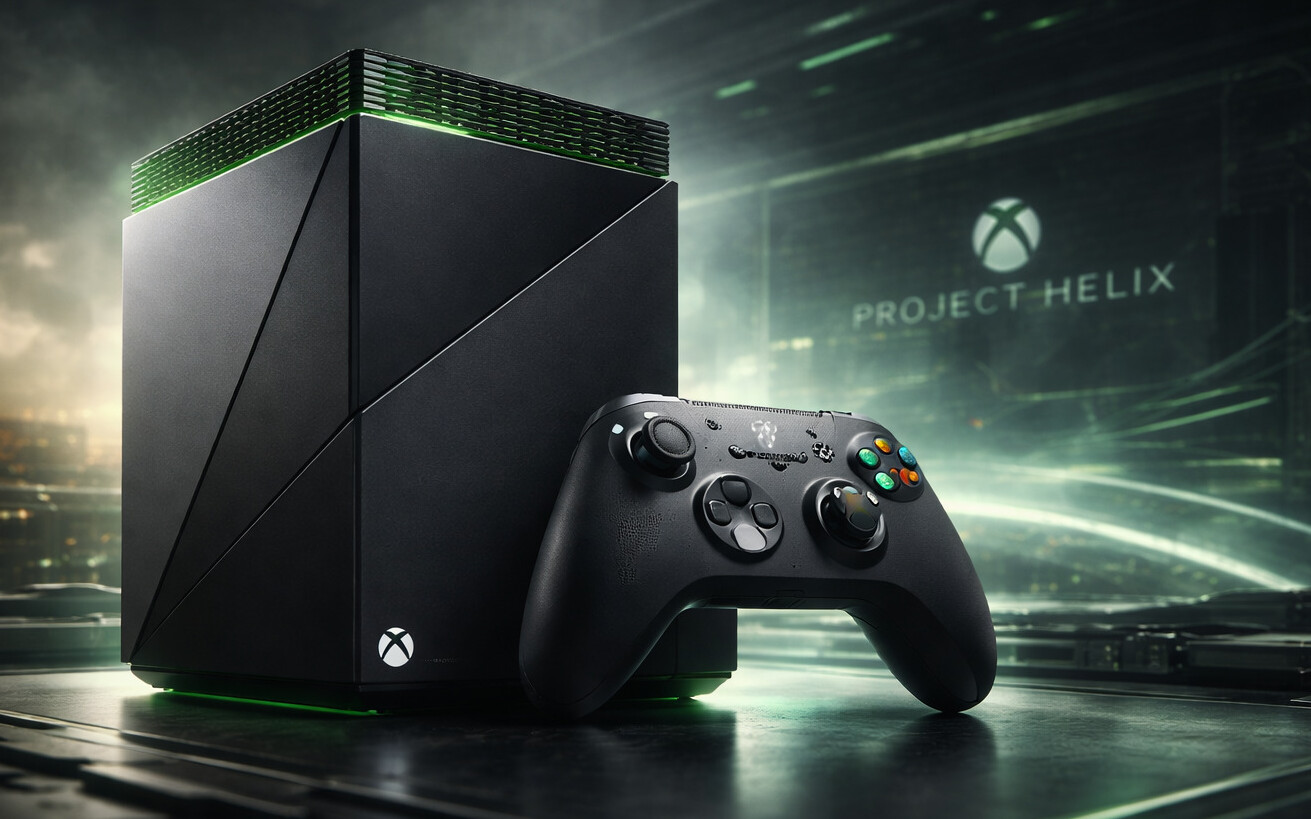
The landscape of next-generation gaming is shifting as Microsoft prepares to pivot away from the traditional console model. Internal developments and industry reports point toward Xbox Project Helix, a strategic move by Microsoft to blur the line between dedicated gaming hardware and the desktop PC experience.
Unlike previous iterations of the Xbox, Project Helix is described as a hybrid console-PC. This design philosophy aims to collapse the boundary between console and desktop gaming, potentially offering a viable alternative for seasoned PC gamers while maintaining the accessibility of a living-room device Wccftech.
While Microsoft has not officially confirmed a retail date, reports and industry analysis suggest the hardware could reach consumers in early 2027. This timeline would place the release of Project Helix ahead of Sony’s next offering, as the PlayStation 6 faces potential delays that could push its launch as far back as 2028 or 2029.
For those following the hardware race, the shift toward a hybrid model represents a fundamental change in how Microsoft views the “console” category. By integrating PC-like flexibility into the Xbox ecosystem, the company is attempting to fulfill a long-term vision of hardware versatility that dates back to the original Xbox era.
Project Helix vs. PS6: Divergent Philosophies
The upcoming generation is shaping up to be one of the most unusual in gaming history as the two primary competitors are targeting different goals. The PlayStation 6 is reportedly being developed as a traditional home console refined to its purest form—powerful, affordable and optimized specifically for the living room TV Wccftech.
In contrast, Xbox Project Helix is designed to be a bridge. By creating a hybrid system, Microsoft is targeting a broader audience that includes both traditional console users and those who prefer the openness of a PC. This approach allows Microsoft to leverage its existing dominance in the Windows OS and PC gaming markets.
Despite these different philosophies, the two platforms will likely share a similar technological foundation. Both the PS6 and Project Helix are expected to be powered by AMD’s RDNA 5 GPU architecture. While not yet officially confirmed, there is a strong presumption that Zen 6 will be used for the CPU Wccftech.
The Timeline: Why Microsoft May Lead the Race
The race to the next generation is currently being influenced by global supply chain issues. Historically, Sony maintained a seven-year release cadence, which would have pointed toward a 2027 launch for the PS6. However, this timeline has been called into question due to rising costs and component shortages.
On February 15, 2026, Bloomberg reported that Sony is considering pushing the PS6 release to 2028 or even 2029, citing an ongoing global memory shortage and warnings from analyst David Gibson regarding rising RAM costs Wccftech.
This potential delay creates a strategic window for Microsoft. If Project Helix arrives in early 2027, Microsoft could secure a significant head start in the market, capturing users who are eager for a generational leap in power while Sony navigates its supply chain hurdles.
Hardware Capabilities and Architecture
The technical specifications of Project Helix are designed to challenge the performance of mid-to-high-end gaming desktops. By utilizing the RDNA 5 architecture, Microsoft aims to provide a level of graphical fidelity that makes the “hybrid” nature of the device a performance asset rather than a compromise.
The decision to move toward a hybrid model also aligns with Microsoft’s broader hardware ecosystem. Currently, the only hardware Microsoft produces internally are Surface devices (including laptops, tablets, and AIOs) and Xbox consoles, while the rest of the desktop market is handled by third-party OEMs using Windows Reddit/DigitalFoundry. Project Helix essentially brings the “Surface” philosophy of versatile, high-performance hardware into the gaming space.
What This Means for the Gaming Industry
The introduction of a hybrid console-PC could fundamentally change how developers approach game design. If a significant portion of the “console” install base is using hardware that behaves like a PC, the gap between console optimization and PC porting may shrink.
For consumers, the value proposition of Project Helix lies in its versatility. A device that can function as a powerful living room console while offering the utility of a desktop PC reduces the need for multiple expensive hardware purchases. This could attract a demographic of “seasoned PC gamers” who currently find the console experience too limiting Wccftech.
| Feature | PlayStation 6 (Reported) | Xbox Project Helix (Reported) |
|---|---|---|
| Core Philosophy | Traditional Home Console | Hybrid Console-PC |
| Primary Target | Living Room/TV Users | Console & Desktop Gamers |
| GPU Architecture | AMD RDNA 5 | AMD RDNA 5 |
| Estimated Window | 2028–2029 (Potential Delay) | Early 2027 |
As we move toward 2027, the industry will be watching for official confirmation from Microsoft regarding the final specifications and pricing of Project Helix. The next major checkpoint will be official hardware reveals and developer kits, which typically precede a consumer launch by several months.
Do you prefer the traditional console experience or the flexibility of a hybrid PC-console? Share your thoughts in the comments below.
Keep reading
- Google is signing the EU AI Act Code of Practice on Transparency of AI-Generated Content.
- Ilmuwan Temukan Bukti Venus Masih Aktif Secara Geologis dari Dalam – Media Indonesia
- Get Microsoft Office on Mac for Only $43 (newsdirectory3.com)
- Microsoft fixes PC game problems in September update (world-today-news.com)