
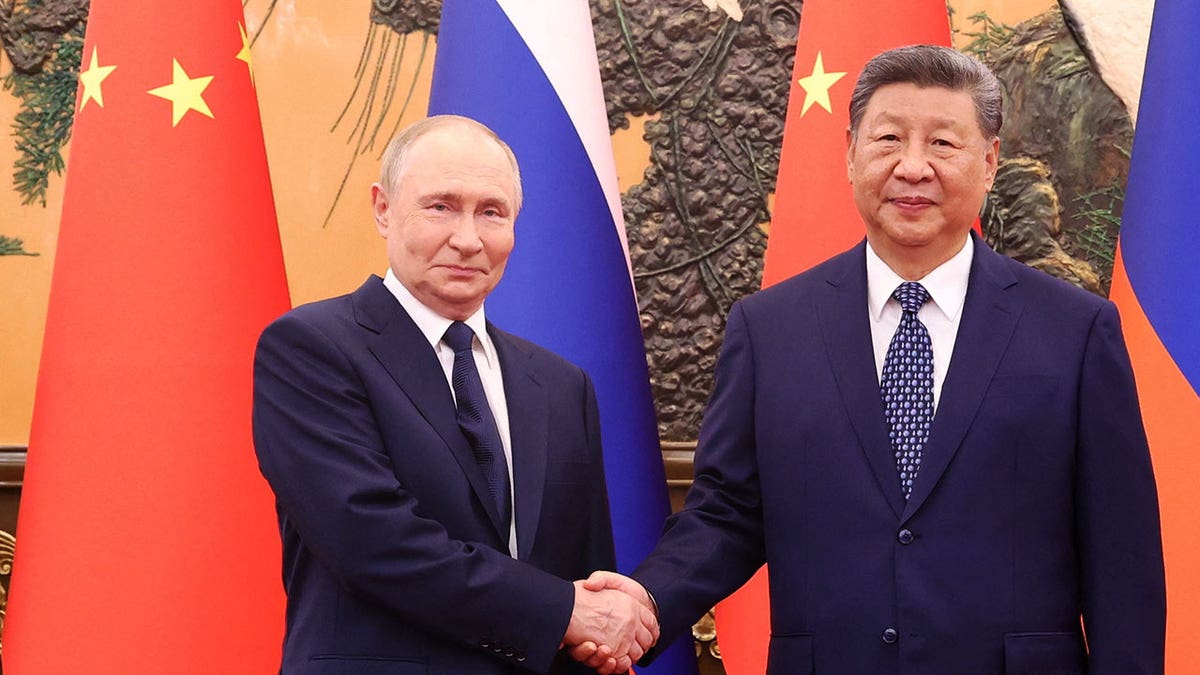
The diplomatic landscape in East Asia has shifted significantly following a series of high-profile state visits in Beijing. Chinese President Xi Jinping recently hosted Russian President Vladimir Putin for bilateral discussions, a meeting that underscores the deepening strategic coordination between Moscow and Beijing. This summit follows a notable diplomatic engagement involving former U.S. President Donald Trump, who conducted a state visit to China during his presidency, an event that remains a focal point for analysts assessing the trajectory of great power competition in the 21st century.
As the international community monitors these developments, the focus remains on the “no limits” partnership declared by both nations in February 2022, just weeks before the escalation of the conflict in Ukraine. The recent talks in Beijing serve to reaffirm this alignment, as both leaders seek to present a united front against what they characterize as Western hegemony. For global observers, the central question is how this strengthening of ties will influence regional security architectures and the future of international trade protocols.
The meeting between Xi and Putin is not merely a diplomatic formality; it is a signal of intent regarding the coordination of foreign policy agendas. According to official reports from the Kremlin, the discussions centered on energy cooperation, military-technical collaboration, and the expansion of the BRICS alliance. These interactions are critical to understanding how Moscow intends to mitigate the impact of international sanctions, many of which were strengthened following the 2022 invasion of Ukraine as documented by the U.S. Department of State.
Strategic Alignment and the “No Limits” Partnership
The partnership between China and Russia has evolved from economic cooperation into a multifaceted strategic alliance. Since the joint statement signed in Beijing on February 4, 2022, the two nations have increased their military exercises, intelligence sharing, and diplomatic support within the United Nations Security Council. This alignment is designed to reshape the global order, with both leaders advocating for a multipolar world that reduces reliance on the U.S. Dollar and Western-led financial institutions.
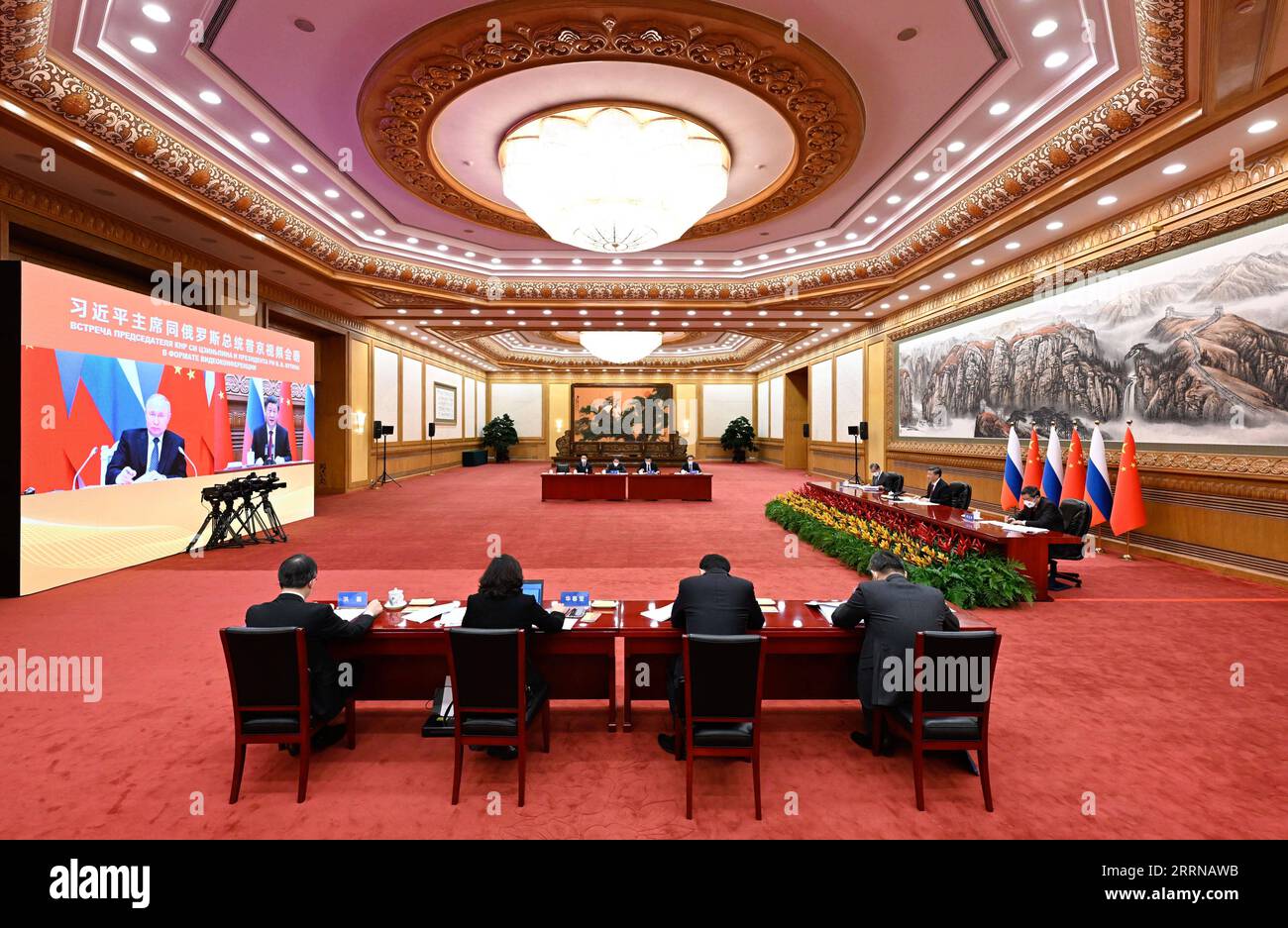
For the global audience, the implications are profound. The integration of Russian energy resources with the Chinese manufacturing engine creates a symbiotic relationship that challenges traditional supply chain dependencies. As reported by the Financial Times, the surge in bilateral trade—which reached a record high of over $240 billion in 2023—demonstrates the efficacy of this pivot. This shift is not just commercial; it is a calculated effort to insulate both economies from external geopolitical pressures.
Contextualizing Diplomatic Visits: A Historical Perspective
It is essential to clarify the timeline of diplomatic engagements involving Beijing. While recent reports have linked the timing of the Xi-Putin meeting to the legacy of Donald Trump’s administration, it is significant to distinguish between current state visits and the historical context of the 2017 presidential visit. During his 2017 trip to Beijing, Donald Trump focused heavily on trade imbalances and North Korean denuclearization, as noted in records from the White House historical archives.

The comparison between these eras highlights the volatility of international relations. Where the 2017 period was characterized by attempts at transactional negotiation, the current environment is defined by entrenched bloc-based competition. The Xi-Putin summit reflects a China that is increasingly confident in its role as a global power broker, actively cultivating alliances that exist outside the orbit of the G7 and NATO.
Key Pillars of the Current Russia-China Agenda
- Energy Security: Continued expansion of pipeline infrastructure, such as the Power of Siberia 2, to facilitate Russian gas exports to the Chinese market.
- Financial Independence: Increasing the use of the Chinese yuan in bilateral trade settlements to circumvent the SWIFT international payment system.
- Technological Cooperation: Collaboration in artificial intelligence, space exploration, and aerospace engineering to bolster domestic capabilities.
- Regional Stability: Coordination on security issues in Central Asia and the Korean Peninsula to maintain a sphere of influence favorable to both regimes.
What Happens Next: Regional and Global Impacts
As the diplomatic dust settles, the international community looks toward the next major multilateral gatherings, including the upcoming G20 summit and future sessions of the United Nations General Assembly. Analysts will be watching for any shift in China’s stance on the war in Ukraine, as Beijing faces increasing pressure from the European Union and the United States to utilize its leverage over Moscow to broker a peace settlement. However, current trends suggest that Beijing remains committed to its supportive stance, prioritizing the stability of its partnership with Moscow over Western-led diplomatic entreaties.
For businesses and policymakers, the primary takeaway is the necessity of preparing for a bifurcated global economy. The reliance on integrated global markets is being challenged by these new geopolitical realities, and companies are increasingly forced to navigate complex compliance landscapes involving secondary sanctions and export controls. Staying informed through official government advisories and verified international reporting remains the most effective way to manage these evolving risks.
We invite our readers to join the conversation on these critical geopolitical developments. How do you see the strengthening of the Russia-China partnership impacting your region? Share your insights in the comments section below, and stay tuned to World Today Journal for further updates as we continue to track these unfolding events.
Related reading
- Oklahoma TikToker Killed by Husband After Pedophilia Allegations: A Timeline of Tragedy
- Cornyn and Tillis Accuse AG Nominee of Refusing Written Pledge to Undo Trump Settlement
- The Senate Blue Slip, Explained: The Custom Trump Wants Gone (daybreakwire.com)
- Nevada Election Official Demands DHS Proof of Non-Citizen Voters (news-usa.today)