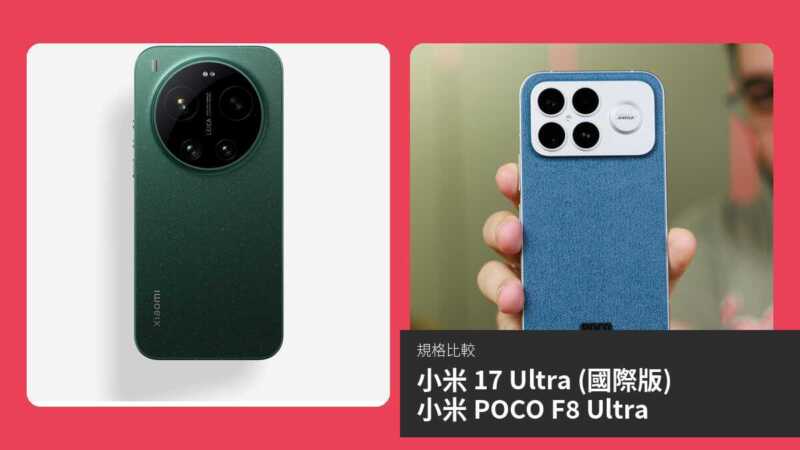
The smartphone landscape is constantly evolving, with manufacturers pushing the boundaries of mobile technology. Two devices currently generating significant buzz are the Xiaomi 17 Ultra and the Xiaomi Poco F8 Ultra. Both represent Xiaomi’s commitment to innovation, but cater to slightly different user preferences and price points. This article provides a detailed comparison of these two flagship smartphones, examining their specifications, performance, and camera capabilities, as of March 2026.
The Xiaomi 17 Ultra, launched in March 2026, positions itself as a premium offering, boasting cutting-edge features and a sophisticated design. It’s the first Xiaomi phone to fully integrate Leica’s expertise, focusing on delivering a professional-grade photography experience. In contrast, the Poco F8 Ultra, released in November 2025, aims to deliver flagship-level performance at a more accessible price. It prioritizes speed and gaming capabilities, appealing to a tech-savvy audience seeking maximum value. Understanding the nuances between these two devices is crucial for consumers looking to upgrade their mobile experience.
Both phones share a common foundation in 5G connectivity and advanced display technology, but diverge in key areas such as processing power, camera systems, and build materials. The Xiaomi 17 Ultra emphasizes a refined user experience and photographic prowess, while the Poco F8 Ultra focuses on raw performance and affordability. The choice between the two ultimately depends on individual needs and priorities.
Design and Build Quality
The Xiaomi 17 Ultra features a sleek design with a glass front and back, reinforced with an aluminum alloy frame. Xiaomi offers the back in both glass-fiber reinforced plastic and a silicone polymer, marketed as “eco leather,” providing options for both durability and aesthetics. The device measures 162.9 x 77.6 x 8.3 mm and weighs between 218.4g and 223.4g depending on the back material. It likewise boasts IP68 dust and water resistance, capable of withstanding immersion up to 6 meters for 30 minutes. The display is protected by Xiaomi Shield Glass.
The Poco F8 Ultra, while also employing a glass front, utilizes a glass-fiber reinforced plastic or silicone polymer back, coupled with an aluminum alloy frame. Its dimensions are slightly larger at 163.3 x 77.8 x 7.9 mm or 8.3 mm, and it weighs between 218g and 220g. The Poco F8 Ultra also carries an IP68 rating for dust and water resistance, though it’s limited to immersion up to 1.5 meters for 30 minutes. Poco highlights the use of “Aerospace-grade glass fiber” in its construction.
Display Technology
Both smartphones feature a 6.9-inch AMOLED display with a 120Hz refresh rate and a resolution of 1200 x 2608 pixels, resulting in a pixel density of approximately 416 ppi. However, the Xiaomi 17 Ultra utilizes an LTPO AMOLED panel with a peak brightness of 3500 nits, along with Dolby Vision and HDR10+ support, and a 2160Hz PWM for flicker reduction. The Poco F8 Ultra’s AMOLED display offers Dolby Vision and HDR10+ support, a peak brightness of 3500 nits (HBM), and a 2560Hz PWM.
Performance and Hardware
What we have is where the two devices begin to significantly diverge. While both support 5G network technology, the Xiaomi 17 Ultra’s processor isn’t explicitly stated in the GSM Arena comparison, but is expected to be a top-tier chipset available in 2026. The Poco F8 Ultra is powered by the Qualcomm Snapdragon 8 Elite Gen 5. Both phones offer ample RAM and storage options, though specific configurations vary. The Xiaomi 17 Ultra supports Nano-SIM + Nano-SIM + eSIM + eSIM + eSIM (max 2 at a time), while the Poco F8 Ultra supports Nano-SIM + Nano-SIM + eSIM + eSIM (max 2 at a time) and Nano-SIM + Nano-SIM + eSIM (max 2 at a time).
Camera Capabilities
The Xiaomi 17 Ultra places a strong emphasis on its camera system, developed in collaboration with Leica. Details regarding the specific camera sensors and lenses are currently limited, but Xiaomi has highlighted the optimization of the 200MP photo sensor and integration with Apple’s ecosystem for enhanced image processing. Yahoo reports that the Xiaomi 17 Ultra’s system integrates with Apple for photo optimization.
The Poco F8 Ultra’s camera specifications are not detailed in the provided sources. However, given its focus on overall performance, it’s likely to feature a capable camera system, though potentially not as advanced as the Xiaomi 17 Ultra’s Leica-engineered setup.
Battery and Charging
Battery capacity details for both devices are not available in the provided sources. However, given their flagship status, both are expected to support fast charging and potentially wireless charging capabilities.
Software
The Xiaomi 17 Ultra’s software experience is expected to be refined and feature-rich, potentially incorporating new AI-powered features. As noted by Yahoo, the Xiaomi 17 Ultra’s system has been optimized for integration with Apple devices.
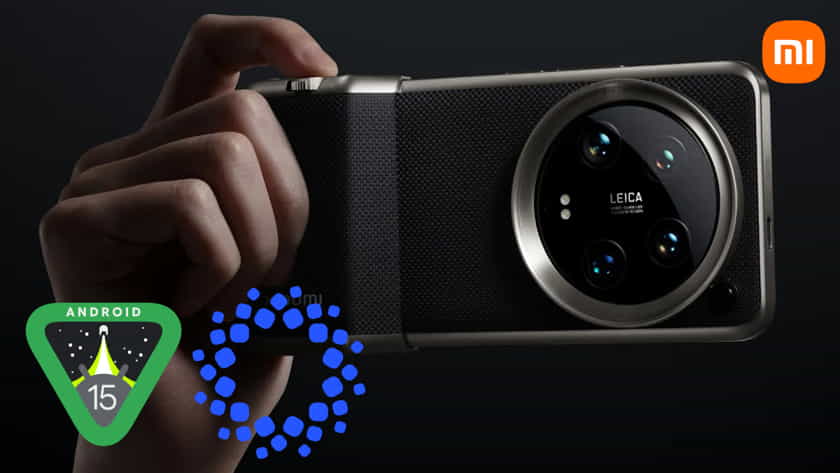
The Poco F8 Ultra is likely to run on Xiaomi’s MIUI, offering a customizable and feature-packed user interface.
Pricing and Availability
The Xiaomi 17 Ultra was announced in February 2026 and released in March 2026. The Poco F8 Ultra was announced in November 2025 and released in November 2025. Pricing information is not available in the provided sources, but the Xiaomi 17 Ultra is expected to be priced higher than the Poco F8 Ultra, reflecting its premium features and Leica collaboration.
Key Takeaways
- The Xiaomi 17 Ultra is a premium flagship focused on camera performance and a refined user experience.
- The Poco F8 Ultra prioritizes performance and value, offering flagship-level specs at a more accessible price point.
- Both devices support 5G connectivity and feature high-refresh-rate AMOLED displays.
- The Xiaomi 17 Ultra benefits from a collaboration with Leica, enhancing its photographic capabilities.
- The Poco F8 Ultra is powered by the Qualcomm Snapdragon 8 Elite Gen 5 processor.
As Xiaomi continues to innovate, both the 17 Ultra and the Poco F8 Ultra represent compelling options for consumers. The next step for Xiaomi will be to address software updates and long-term support for both devices. Consumers should carefully consider their individual needs and budget when making a decision.
Stay tuned to World Today Journal for further updates on these and other exciting developments in the world of mobile technology. We encourage you to share your thoughts and experiences with these devices in the comments below.