
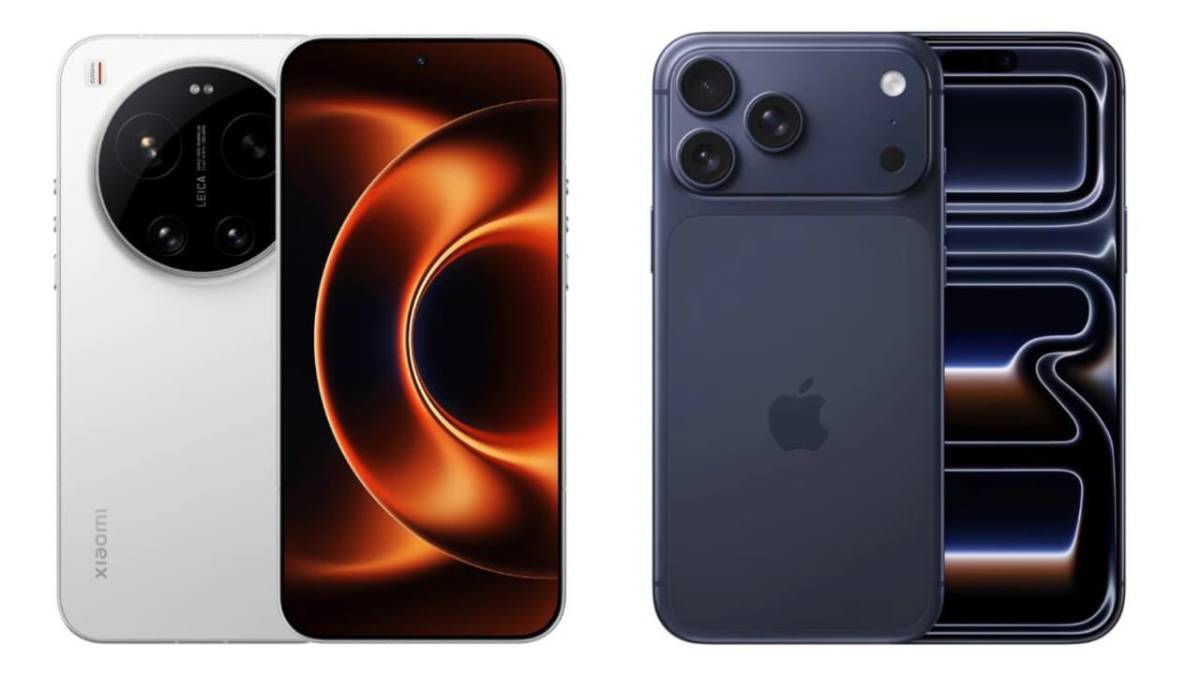
The global smartphone market is witnessing a high-stakes confrontation as the Xiaomi 17 vs. IPhone 17 rivalry intensifies. With the official rollout of the Xiaomi 17 series in markets including Colombia, the competition between these two tech giants has shifted from speculative leaks to direct hardware comparisons, focusing heavily on camera capabilities and processing power.
For consumers, this represents more than just a brand preference; it is a clash of philosophies. Apple continues to refine its integrated ecosystem, even as Xiaomi is aggressively pushing the boundaries of mobile photography and hardware specifications to challenge the industry standard. This tension is particularly evident in the high-end “Ultra” and “Pro Max” tiers, where every megapixel and millisecond of latency is scrutinized.
The Xiaomi 17 was announced on September 25, 2025, and officially released on September 27, 2025 GSMArena. In contrast, the iPhone 17 was announced slightly earlier on September 09, 2025, and hit the market on September 19, 2025 GSMArena. As these devices enter the global market, the focus has shifted toward which device offers the superior user experience in real-world conditions.
Hardware Specifications and Design Philosophy
When analyzing the physical footprints of these devices, the differences are subtle but telling. The Xiaomi 17 measures 151.1 x 71.8 x 8.1 mm, while the iPhone 17 is slightly more compact at 149.6 x 71.5 x 8 mm GSMArena. These dimensions reflect a broader industry trend toward maximizing screen-to-body ratios while maintaining a handheld form factor that remains comfortable for the average user.

Connectivity remains a critical battleground. Both devices support 5G, but their band support varies by region. The iPhone 17 offers extensive global coverage, including specific bands for different regional models such as the A3520, A3258, and A3519 GSMArena. Xiaomi’s international version similarly provides broad 5G support, ensuring that users in diverse markets—from North America to South America—can access high-speed data without significant connectivity drops.
The “Ultra” and “Pro Max” variants further separate the base models from the enthusiast gear. The Xiaomi 17 Ultra is positioned specifically to redefine mobile photography, challenging the iPhone 17 Pro Max’s dominance in video and image processing. This battle is not just about the sensor size, but about the software algorithms that interpret light and color.
The Camera War: Ultra vs. Pro Max
The most contentious point of comparison is the camera system. Xiaomi has positioned the 17 Ultra as a device that “redefines mobile photography,” specifically targeting the iPhone 17 Pro Max. While Apple relies on a balanced approach to color accuracy and seamless video integration, Xiaomi typically leans into higher resolution sensors and advanced optical zoom capabilities.
Industry analysts and tech reviewers have highlighted the tension between these two approaches. For those who prioritize a “point-and-shoot” experience with consistent results, the iPhone 17 remains a formidable choice. However, for power users who want granular control over their photography and the ability to capture extreme detail, the Xiaomi 17 series offers a compelling alternative.
The impact of this rivalry is felt most strongly in the “Pro” segment. The introduction of the Xiaomi 17 Pro Max creates a direct competitor to Apple’s flagship, forcing both companies to innovate faster. This means consumers benefit from quicker iterations in sensor technology and AI-driven image enhancement.
Market Impact and Global Availability
The arrival of the Xiaomi 17 in Colombia and other Latin American markets signifies a strategic push by Xiaomi to erode Apple’s market share in regions where the iPhone has traditionally been the undisputed status symbol. By offering flagship-grade hardware that competes directly with the iPhone 17, Xiaomi is providing a viable alternative for users who want premium specs without being locked into the Apple ecosystem.
This expansion is not limited to Colombia; reports indicate the series is also making its way into markets like Costa Rica, emphasizing a broader regional strategy to capture the high-end Android segment Revista Yume. As these devices become more accessible, the “trembling” effect mentioned by some regional media reflects the potential shift in consumer loyalty when performance parity is achieved.
For the global audience, the choice between these devices often boils down to software. Apple’s iOS remains a tightly controlled environment known for stability and security. Xiaomi’s HyperOS, offers more flexibility and customization, which appeals to a different demographic of tech enthusiasts.
Comparison of Key Launch Details
| Feature | Xiaomi 17 | iPhone 17 |
|---|---|---|
| Announcement Date | September 25, 2025 | September 09, 2025 |
| Release Date | September 27, 2025 | September 19, 2025 |
| Dimensions | 151.1 x 71.8 x 8.1 mm | 149.6 x 71.5 x 8 mm |
| Network Support | GSM / HSPA / LTE / 5G | GSM / CDMA / HSPA / EVDO / LTE / 5G |
What happens next depends on the long-term software support and the actual durability of these devices in the field. While the initial specifications are impressive, the true winner of the Xiaomi 17 vs. IPhone 17 debate will be determined by how these phones perform after a year of daily use, specifically regarding battery degradation and OS updates.
As of now, the focus remains on the rollout phase. Users are encouraged to monitor official regional distributors for local pricing and warranty information, as these can vary significantly between the US, European, and Latin American markets.
We welcome your thoughts on this hardware clash. Which feature is the dealbreaker for you: the camera, the ecosystem, or the design? Share your experience in the comments below.