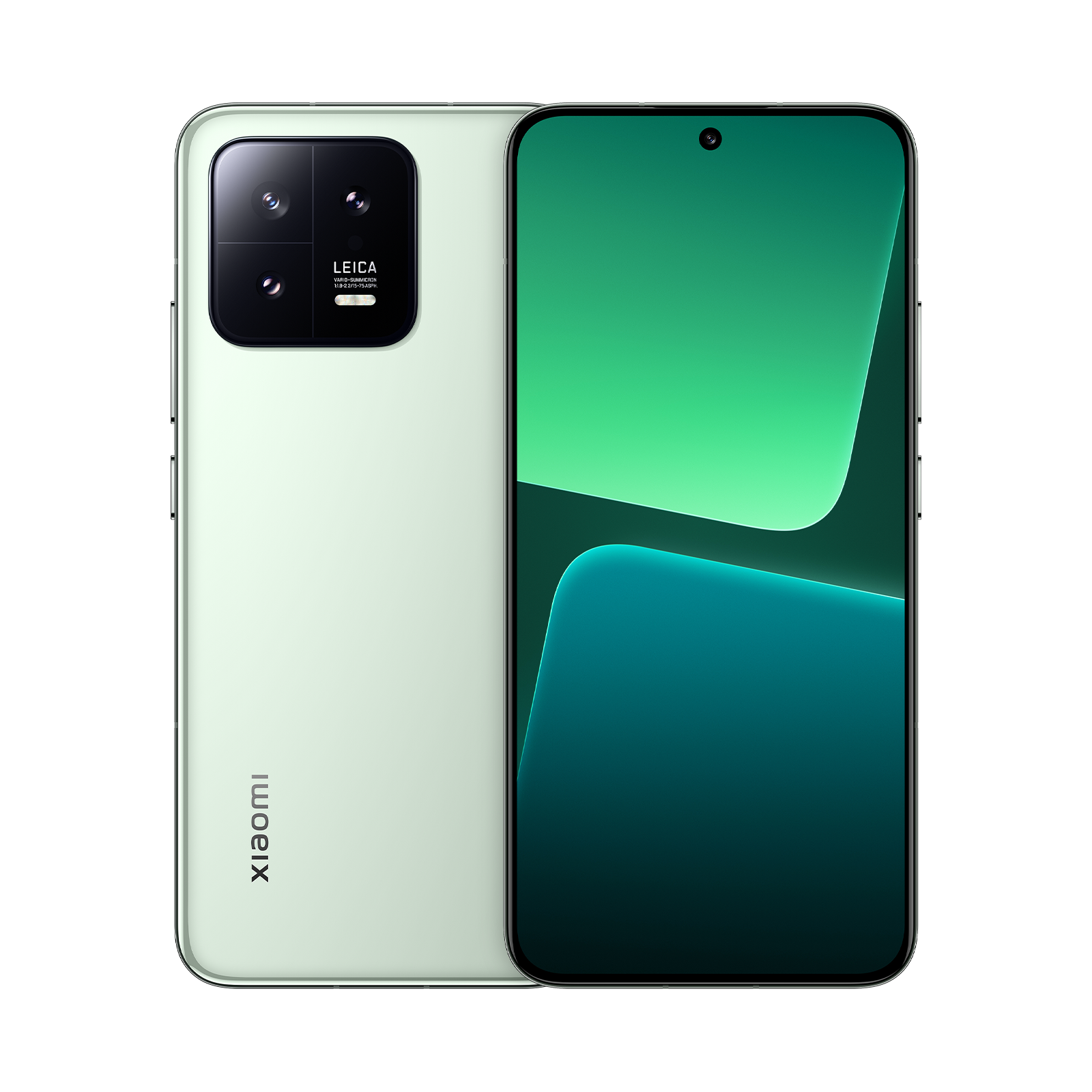
Xiaomi has integrated a native battery health indicator into its HyperOS ecosystem, enabling users to monitor the maximum capacity percentage of their smartphone batteries directly within the system settings. This feature allows owners to see how much of the battery’s original design capacity remains as the hardware chemically ages over time.
The update addresses a long-standing request from the Android community for a transparent, built-in method to track battery degradation without relying on third-party applications. According to user documentation and software walkthroughs circulating on platforms like TikTok and X, the tool provides a percentage figure representing the current health of the battery relative to its state when new.
This transparency is particularly relevant for users of Xiaomi’s high-wattage charging systems, such as the HyperCharge 120W technology, which can charge compatible devices to full capacity in under 20 minutes. While fast charging increases convenience, the heat generated during high-voltage intake is a primary driver of lithium-ion battery wear, making health visualization a critical utility for long-term device maintenance.
How to Access the Xiaomi Battery Health Feature
The battery condition visualization is available on select devices running the latest versions of HyperOS. Users can find this information by navigating to Settings > Battery > Battery Health. Once inside this menu, the system displays the “Maximum Capacity” percentage.

If a device shows a maximum capacity of 90%, it means the battery can currently hold 90% of the energy it could when it first left the factory. Xiaomi has not yet released a universal rollout date for all global regions, as HyperOS updates typically deploy in stages across different hardware models and geographic markets.
For users who do not yet see this option in their settings, the feature may still be in a staged rollout or limited to specific flagship series, such as the Xiaomi 13 and 14 lines. Those without the native tool often resort to third-party apps like AccuBattery, though these applications estimate health based on charging cycles rather than reading the battery management system (BMS) chip directly.
The Impact of HyperCharge 120W on Battery Longevity
Xiaomi’s HyperCharge 120W technology utilizes a dual-cell battery design to distribute the high current, reducing the stress on any single cell. According to technical specifications from Xiaomi, this architecture allows for rapid energy transfer while attempting to manage the thermal load that typically degrades lithium-ion electrolytes.

However, chemical aging is inevitable. Lithium-ion batteries degrade through a process called SEI (Solid Electrolyte Interphase) layer growth, which increases internal resistance and reduces the amount of lithium available for ion transport. High-wattage charging, if used exclusively, can accelerate this process if the device’s thermal management system cannot keep the battery within an optimal temperature range (typically between 15°C and 35°C).
By providing a battery health percentage, Xiaomi allows users to correlate their charging habits—such as the frequent use of 120W chargers—with the actual rate of degradation. This data helps users decide when to switch to slower charging speeds or seek a professional battery replacement to maintain device performance.
Comparing Xiaomi’s Approach to Apple and Samsung
The introduction of this feature brings Xiaomi closer to the industry standard set by Apple, which introduced “Battery Health” in iOS 12. Apple’s system provides a similar maximum capacity percentage and notifies users when the battery has degraded to a point where “Peak Performance Capability” is affected, often leading to CPU throttling to prevent unexpected shutdowns.
Samsung has historically taken a different approach, offering the “Battery Life” check through its Members app rather than a permanent setting. Samsung’s tool typically categorizes battery health as “Normal” or “Action Required” rather than providing a specific percentage to the end user.
Xiaomi’s decision to place this data directly in the system settings reflects a shift toward the “prosumer” market, providing granular data to users who prioritize hardware longevity and technical transparency.
Practical Steps to Preserve Battery Health in HyperOS
With the ability to monitor degradation, users can better implement strategies to slow the decline of their maximum capacity. Battery experts and hardware manufacturers generally recommend several key practices to extend the lifespan of smartphone batteries:
- Avoid Extreme Temperatures: Exposing a phone to temperatures above 45°C (113°F) can cause permanent capacity loss.
- The 20-80% Rule: Maintaining the battery charge between 20% and 80% reduces the voltage stress on the cells compared to keeping the battery at 100% or letting it drop to 0%.
- Limit High-Wattage Charging: While HyperCharge 120W is useful for emergencies, using a slower charger for overnight charging reduces heat accumulation.
- Update Software Regularly: HyperOS updates often include refinements to the charging algorithm that optimize how the phone handles power intake as the battery ages.
What This Means for the Secondary Market
The availability of a verified battery health percentage is expected to impact the resale value of Xiaomi devices. In the used smartphone market, “Battery Health” has become a primary metric for pricing, particularly for iPhones. A device with 95% health commands a higher premium than one at 80%, as the latter is nearing the end of its optimal functional life.

By integrating this into HyperOS, Xiaomi provides a standardized way for buyers and sellers to verify the condition of a used device without needing to run external diagnostic software. This transparency is likely to stabilize pricing for used Xiaomi flagships in the global market.
Industry analysts note that as smartphones become more expensive and users hold onto their devices for longer—moving from a two-year to a three- or four-year upgrade cycle—the ability to track and replace batteries becomes a critical part of the device’s total cost of ownership.
Xiaomi has not announced a specific schedule for the next major HyperOS feature update, but users are encouraged to check for system updates in Settings > About Phone to see if the battery health tool has reached their region.
Do you use fast charging daily, or do you prefer slower speeds to save your battery? Share your experience and your current battery health percentage in the comments below.