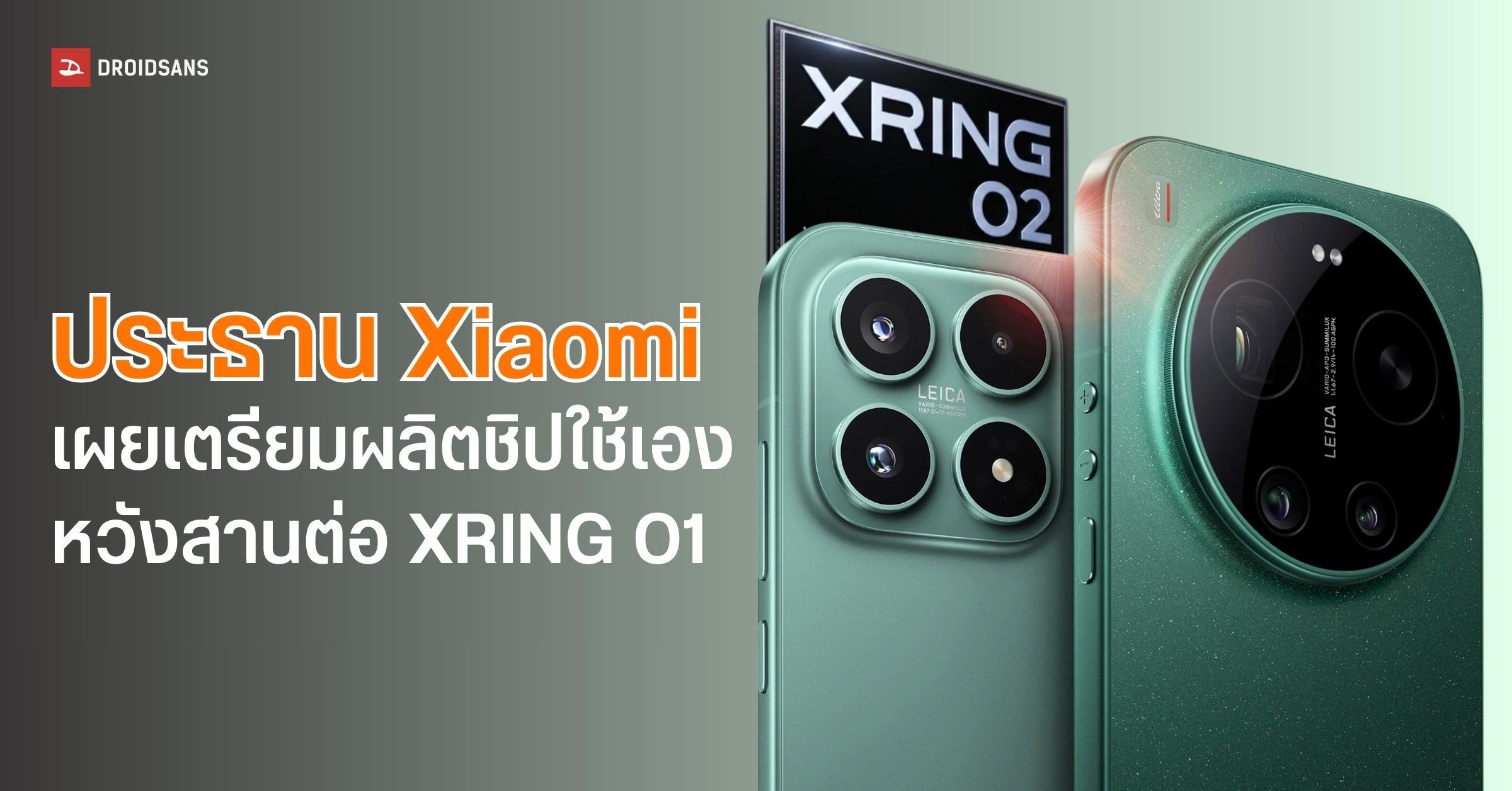
Barcelona – Xiaomi is doubling down on its ambition to become a major player in the smartphone chip industry, announcing plans to release a new system-on-chip (SoC) annually. This aggressive strategy, unveiled at Mobile World Congress (MWC) this week, signals a significant shift towards greater control over its hardware and a bid to compete more directly with industry giants like Apple, and Samsung. The move comes as the company navigates a challenging market landscape marked by soaring memory chip prices and a projected contraction in global smartphone shipments.
The announcement builds on Xiaomi’s initial foray into chip design with the XRing 01, launched last year. According to company executives, the commitment to yearly chip releases isn’t about matching Apple’s cadence exactly, but rather establishing a consistent rhythm of innovation and optimization. “We are planning ahead for our next generation of chip,” said Xu Fei, Vice President at Xiaomi, in a statement to CNBC. “We can’t promise a new SoC each year, but we are committed to continuous improvement and delivering cutting-edge performance.”
Navigating a Memory Chip Crisis
Xiaomi’s push for self-sufficiency in chip design is occurring against a backdrop of escalating component costs, particularly for memory chips. The price of these essential components has skyrocketed 80-90% in the first quarter of 2026, driven by intense demand from AI data centers, according to market research firm Counterpoint Research. This surge in demand is diverting supply away from the mobile device market, putting pressure on smartphone manufacturers.
The impact of this crisis is already being felt. IDC projects a 12.9% contraction in worldwide smartphone shipments for 2026, partially attributed to the component shortage. Unlike Apple and Samsung, which have substantial premium market share to absorb increased costs, Xiaomi faces a more precarious position. Despite these challenges, Xiaomi has managed to maintain pricing on its latest flagship devices, the Xiaomi 17 and 17 Ultra, at €999 and €1,499 respectively – the same prices as the previous generation.
The Xiaomi 17 and 17 Ultra: A Balancing Act
The Xiaomi 17 and 17 Ultra, unveiled at MWC, represent the company’s latest attempt to balance innovation with affordability. Early reviews highlight the impressive camera capabilities of the 17 Ultra, with one user on X (formerly Twitter) praising its reliability after two months of use.
I have used the Xiaomi 17 Ultra for almost 2 months, and I am so glad that people in the global market will be able to experience this phone soon. This phone’s camera capabilities are truly impressive, and I’ve never seen a Xiaomi phone performing this reliably before. pic.twitter.com/ffuqqhrIWw
— Alvin (@sondesix) February 25, 2026
Although, the company’s overall financial performance reflects the broader industry headwinds. While electric vehicle revenue jumped nearly 200% year-over-year, smartphone revenue declined by 3% in the latest quarterly report. This highlights the growing importance of diversification for Xiaomi as it navigates the volatile smartphone market.
Investing in the Future: $7 Billion for Semiconductor Development
Xiaomi’s commitment to in-house chip development is backed by a substantial financial investment. The company has pledged to invest at least 50 billion yuan ($7 billion) over the next 10 years in mobile semiconductors. This investment underscores Xiaomi’s long-term vision of controlling a critical part of its supply chain and differentiating its products through custom hardware. The XRing 01, based on a 3nm manufacturing process, was the first tangible result of this strategy.
This move mirrors similar efforts by other major smartphone manufacturers, including Apple, Samsung, and Huawei, all seeking to reduce their reliance on third-party chip suppliers and gain a competitive edge. Developing its own chips allows Xiaomi to optimize performance, power efficiency, and features specifically for its devices, potentially leading to a more seamless and integrated user experience.
Global Expansion and the AI Assistant
Alongside its chip ambitions, Xiaomi is also preparing to launch its AI assistant internationally. This expansion represents a significant step in the company’s global strategy, aiming to compete with established players like Apple’s Siri, Google Assistant, and Amazon’s Alexa. Details about the AI assistant’s capabilities and specific launch markets remain limited, but the move signals Xiaomi’s intent to become a major force in the burgeoning AI landscape.
The combination of custom chip development and a global AI assistant positions Xiaomi for a potentially transformative period. By controlling more of its hardware and software stack, the company aims to deliver a more compelling and differentiated product experience to consumers worldwide. However, success will depend on its ability to navigate the ongoing component shortage, maintain competitive pricing, and effectively execute its global expansion plans.
Key Takeaways
- Xiaomi is committed to releasing a new smartphone chip annually, starting after the XRing 01.
- Memory chip prices have surged 80-90% in Q1 2026, impacting smartphone manufacturers.
- Xiaomi is investing $7 billion over 10 years in semiconductor development.
- The company is expanding its AI assistant globally, challenging established players.
- Despite a 3% decline in smartphone revenue, Xiaomi’s EV revenue is growing rapidly.
Looking ahead, Xiaomi’s next major milestone will be the launch of its next-generation smartphone chip. The company has not yet announced a specific timeline, but the commitment to an annual release cycle suggests a launch within the next 12-18 months. Investors and consumers alike will be watching closely to see how Xiaomi’s chip development efforts translate into tangible improvements in performance and user experience. Share your thoughts on Xiaomi’s ambitious plans in the comments below.
Keep reading