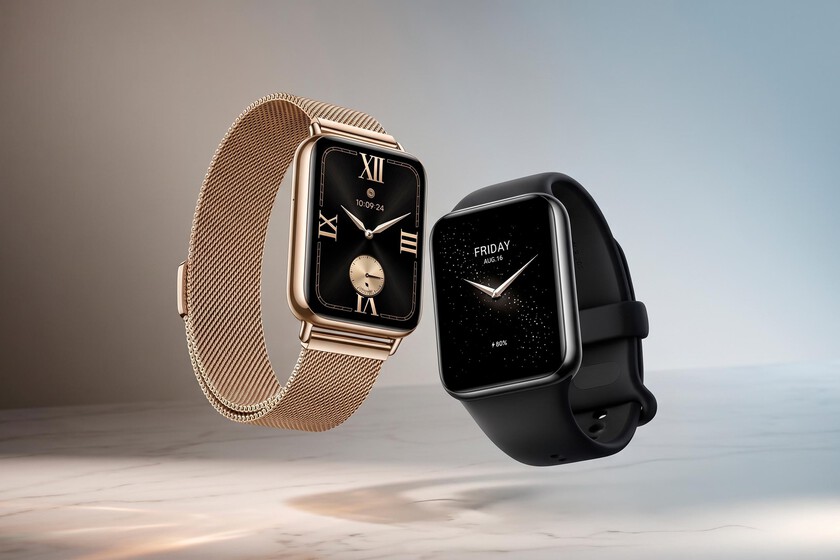
In the rapidly evolving landscape of wearable technology, Xiaomi continues to refine its ecosystem with the release of the latest iteration in its fitness tracking lineup. As the company expands its global reach, the introduction of new hardware highlights a strategic shift toward combining aesthetic luxury with practical, daily health-monitoring tools. For users deciding between the newest available models and their predecessors, understanding the technical evolution of these devices is essential for making an informed investment.
The Xiaomi Smart Band 10 arrives as the latest entry in a long line of successful wearables, building upon the foundation laid by previous generations. With a design language that emphasizes premium materials and display enhancements, the device aims to bridge the gap between a standard fitness tracker and a lifestyle accessory. For those who follow the trajectory of Xiaomi’s consumer electronics, the focus on screen-to-body ratios and display brightness suggests a clear effort to compete at the higher end of the entry-level wearable market. According to official product specifications, the latest model features a 1.72-inch AMOLED display, utilizing vacuum filling sealing technology to achieve a 73% screen-to-body ratio, a notable improvement over previous iterations Xiaomi Smart Band 10 Official Specifications.
Design Philosophy: From Utility to Luxury
The design evolution seen in the newest generation reflects a broader trend in consumer tech: the move toward materials that prioritize both durability and style. The Xiaomi Smart Band 10 incorporates a high-gloss aluminum alloy frame with a PVD finish, signaling a departure from purely utilitarian plastic builds. This shift is accompanied by accessories that lean into jewelry-inspired aesthetics, such as bracelets featuring Preciosa glass crystals.
Beyond the chassis, the display technology has seen a significant boost in performance. The device now offers a High Brightness Mode (HBM) reaching 1500 nits, which is a 25% increase in brightness compared to the Xiaomi Smart Band 9. This technical adjustment is designed to ensure readability in direct sunlight, addressing a common pain point for outdoor fitness enthusiasts. These specifications, verified through internal testing data, highlight the iterative nature of Xiaomi’s hardware development cycle Xiaomi Smart Band 10 Technical Data.
Health and Fitness Tracking Capabilities
At the core of any wearable device is its ability to provide actionable health insights. The Smart Band 10 includes over 150 sports modes, with specialized features for swimming and heart rate broadcasting. It is key to note, however, that these features are intended for general wellness and fitness tracking rather than medical diagnostics. As stated by the manufacturer, the device is not designed to predict, diagnose, or cure any specific disease, and users should not rely on it for medical purposes.
Sleep management remains a key pillar of the device’s health suite, offering personalized guidance to help users monitor their rest cycles. With a battery life of up to 21 days under typical usage conditions, the device is positioned for continuous wear, which is a prerequisite for accurate long-term sleep tracking. While the feature set is robust, the distinction between a consumer fitness tracker and a medical-grade monitor remains a vital boundary for users to keep in mind when interpreting their data.
Market Context and Global Reach
Xiaomi Corporation, headquartered in Beijing, has solidified its position as a major player in the global consumer electronics market. As of December 2025, the company reported 754.1 million global monthly active users, a figure that underscores the scale of its ecosystem. The integration of these wearables into the broader Xiaomi HyperOS environment allows for a seamless user experience across mobile phones, IoT devices, and other connected hardware Xiaomi Corporate Overview.
The company’s strategy of diversifying its portfolio—ranging from electric vehicles to smart home appliances—has allowed it to maintain a strong presence in various market segments. The “Pro” line of wearables, in particular, acts as a gateway for users to enter the Xiaomi ecosystem, offering a balance of performance and price that has historically driven high sales volumes. As the brand continues its international expansion, the emphasis remains on the “essential” tech experience, focusing on hardware that fits into the daily routines of a diverse global user base.
Looking Ahead: The Future of Xiaomi Wearables
The tech sector is currently anticipating further developments from Xiaomi, particularly with upcoming global events. The company has scheduled a major launch event for May 28, 2026, in Vienna, where it is expected to showcase new advancements in imaging technology and mobile platforms Xiaomi Global Event Schedule. These events are critical for understanding the company’s roadmap for the remainder of the year and how its wearable technology will continue to integrate with its flagship smartphones and AI initiatives.
For current users, the choice between upgrading to the latest model or maintaining a previous-generation device often comes down to the necessity of specific display enhancements or material preferences. As we look toward the next quarter, more detailed performance comparisons and long-term reviews will likely emerge. We invite our readers to share their experiences with the newest Xiaomi wearables in the comments below, and stay tuned to our Tech section for ongoing updates regarding Xiaomi’s upcoming product launches and software ecosystem updates.