The political discourse surrounding the governance of Cuba has intensified following recent public statements in Havana. The debate centers on the internal stability of the island nation and its relationship with the United States, particularly following the unsealing of legal documents by the U.S. Department of Justice on May 20, 2026. These developments have brought renewed focus to the mechanisms of political power and the ongoing challenges regarding democratic representation within the country.
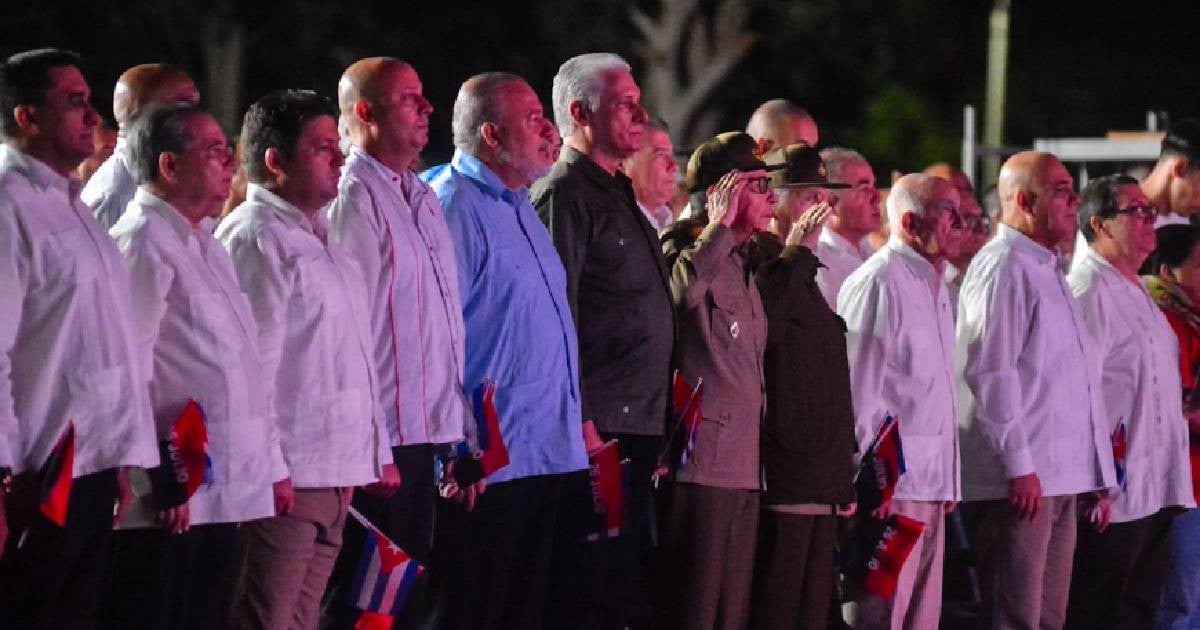
The conversation was sparked by comments made during a political gathering at the Anti-Imperialist Plaza in Havana, where the focus shifted from external diplomatic tensions to the fundamental structure of the Cuban political system. Critics of the current administration argue that the persistent emphasis on foreign interference serves as a distraction from the lack of established democratic pathways for citizen participation. The tension between the official government narrative—often characterized by rhetoric of resilience—and the evolving concerns of the citizenry has become a central theme in regional political analysis.
Legal Developments and Political Rhetoric
On May 20, 2026, the U.S. Department of Justice unsealed an indictment involving high-level figures associated with the Cuban state, including charges related to a 1996 incident involving the downing of aircraft operated by the organization Brothers to the Rescue. The legal filings allege conspiracy to commit murder and several counts of homicide. These charges have provided a backdrop for the latest round of political rhetoric in Havana, where officials have reaffirmed their stance against what they describe as U.S. Imperialist pressure.
During the recent event in Havana, speakers utilized strong language to address the international legal pressure, emphasizing a narrative of defiance. This rhetoric, while intended to consolidate domestic support, has been met with skepticism by observers who view the focus on external “enemies” as an attempt to divert attention from internal governance issues. The discourse highlights a persistent disconnect: while the state frames its position as a struggle for sovereignty, many observers argue that the lack of internal democratic channels remains the most significant hurdle for the nation’s future.
The Debate Over Democratic Pathways
The core of the current criticism is not merely the presence or absence of foreign influence, but the structural limitations placed on political expression within Cuba. Analysts have pointed out that the government’s tendency to frame all domestic dissent as the result of foreign intervention serves to delegitimize legitimate internal grievances. By characterizing the state as being under constant siege, the leadership avoids addressing the systemic failures that have contributed to the current economic and social climate.
This approach to governance has prompted a broader discussion about what constitutes a functional democratic system. For many, the question is how to foster an environment where diverse political viewpoints can be expressed without the threat of being labeled as agents of foreign interests. The ongoing debate suggests that until the political system allows for a genuine, pluralistic dialogue, the gap between the leadership’s rhetoric and the reality experienced by the population is likely to widen.
Contextualizing the Current Crisis
The current situation in Cuba is part of a complex, long-standing historical context. While officials continue to rely on the legacy of the 1959 revolution, the shifting demographics and the rise of new, independent voices have created a new political reality. The reliance on the “invincibility” narrative—often associated with the older guard of the revolution—is increasingly viewed by younger generations and independent observers as a strategy to maintain the status quo rather than a viable path forward.

the economic challenges facing the island have exacerbated these political tensions. When the state fails to provide adequate economic solutions, the reliance on ideological mobilization becomes more pronounced, yet less effective. This cycle of ideological tightening followed by public disillusionment is a recurring feature of the current political landscape, necessitating a shift toward more transparent and accountable governance if the nation is to address its internal crises effectively.
Looking Ahead: Institutional and Legal Next Steps
The legal proceedings initiated by the U.S. Department of Justice are expected to continue through the standard judicial process, though the immediate impact on the ground in Cuba remains uncertain given the lack of an extradition treaty and the current state of bilateral relations. Observers are closely monitoring how the Cuban government will manage the domestic fallout of these legal developments, particularly as it faces pressure to address broader human rights and governance concerns.
As the situation develops, the international community continues to watch for any signs of policy shifts within Havana. Whether the regime will choose to open new channels for dialogue or continue to emphasize its traditional security-focused narrative remains to be seen. For now, the debate regarding the necessity of democratic reform continues to be a defining feature of the discourse surrounding the island’s future.
We invite our readers to share their perspectives on these developments in the comments section below. Stay tuned to World Today Journal for further updates as new information becomes available regarding the legal proceedings and the evolving political situation in the region.