
XRP, the native digital asset of the Ripple network, is currently navigating a complex market environment where short-term price volatility is being weighed against persistent medium-to-long-term downward pressure. As of mid-November 2024, the asset has experienced significant price fluctuations, reflecting broader trends in the cryptocurrency sector and ongoing institutional interest in blockchain-based cross-border payment solutions. According to data from CoinMarketCap, the asset’s valuation remains highly sensitive to both technical trading patterns and the evolving legal landscape surrounding its issuer, Ripple Labs.
The interplay between speculative short-term trading and long-term structural factors defines the current XRP market sentiment. While traders often react to immediate liquidity shifts and exchange volume, the medium-term outlook is frequently tethered to the outcomes of litigation between Ripple Labs and the U.S. Securities and Exchange Commission (SEC). Market participants are closely monitoring these developments, as legal clarity serves as a primary driver for institutional adoption and, by extension, sustained price performance, as noted in the official Ripple corporate updates.
Market Dynamics and Price Volatility
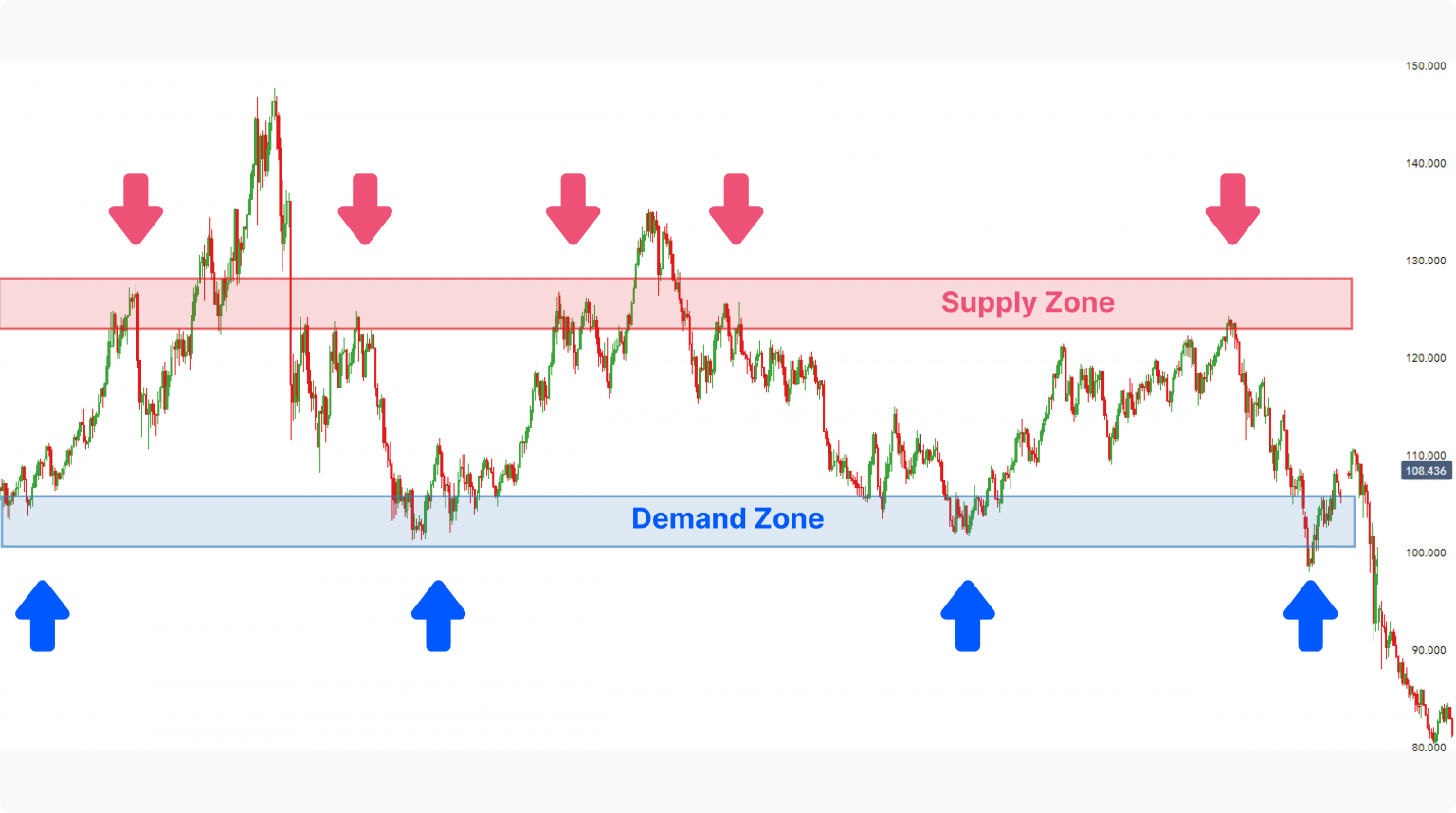
The current price action of XRP is characterized by rapid shifts that often defy simple linear trends. Short-term rallies are frequently met with resistance levels that suggest a market still finding its equilibrium. Analysts tracking the asset point to the importance of trading volume on major centralized exchanges as a leading indicator for these brief upward movements. When volume spikes, it often suggests a temporary influx of retail or algorithmic trading activity, though this does not always translate into a structural change in the asset’s longer-term trajectory.
+-+Parents+%26+Carers.jpg "Market Dynamics and Price Volatility")
For investors, distinguishing between noise and signal is a perennial challenge. The “downward pressure” often cited by market observers refers to the historical accumulation of supply and the lingering effects of multi-year legal uncertainty. According to a report by Reuters on digital asset market trends, cryptocurrencies with significant regulatory history often face different liquidity profiles compared to newer, less regulated assets. This distinction is vital for those looking at XRP through a long-term investment lens rather than a short-term trading strategy.
Regulatory Landscape as a Structural Factor
The ongoing legal proceedings involving the SEC remain the most significant external variable influencing XRP. In July 2023, a U.S. District Court judge ruled that the programmatic sale of XRP on digital asset exchanges did not constitute the offer and sale of investment contracts, providing a partial victory for Ripple Labs. However, the litigation remains subject to appeals and further procedural steps, which continue to influence market confidence. The SEC’s official press office maintains a repository of filings and public statements regarding these ongoing enforcement actions.

This regulatory backdrop means that XRP’s price is not merely a reflection of supply and demand for cross-border payments, but also a barometer for the broader regulatory environment in the United States. When legal milestones are reached, the market often experiences heightened volatility, as investors adjust their positions based on the perceived reduction in risk. Understanding these legal nuances is essential for anyone analyzing the asset’s potential for recovery or long-term growth.
Future Outlook and Key Checkpoints
Looking ahead, the market is focused on upcoming procedural deadlines in the ongoing SEC litigation and the broader adoption of Ripple’s payment infrastructure by global financial institutions. The ability of Ripple to scale its On-Demand Liquidity (ODL) service—which utilizes XRP to facilitate faster international transfers—remains a core fundamental driver. According to reports from the Bank for International Settlements (BIS) regarding cross-border payment efficiency, the success of such technologies depends heavily on regulatory compliance and integration into existing banking frameworks.

Investors should look for the next scheduled court filings and official statements from both Ripple Labs and the SEC to gauge the next phase of market sentiment. These documents, usually accessible through official legal portals or the Ripple newsroom, provide the most reliable data for assessing the medium-term outlook. As the technology continues to evolve, the distinction between speculative price action and the underlying utility of the Ripple network will likely become more pronounced.
The next major checkpoint for the market involves upcoming appellate filings related to the ongoing litigation, which are expected to be tracked by major financial news outlets. We encourage readers to monitor official filings and contribute to the discussion below regarding how regulatory clarity might impact the future of digital asset adoption.
- Syston Community Flood Group Clears Brook Silt to Prevent Floods
- Samsung Galaxy Z Fold 8 Ultra vs. Google Pixel 10 Pro Fold: Which Foldable Should You Buy?
- Oxford Homeowner Faces Storm Damage and Bridgeport Fire Chief Retires (news-usa.today)
- Cambridge Professor Faces New Allegations of Plagiarism and Misconduct (world-today-news.com)