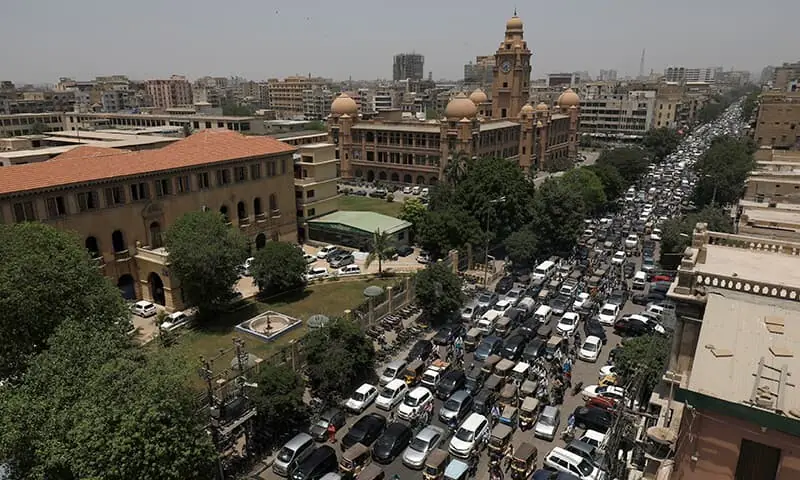
Karachi, Islamabad, and Lahore – three of Pakistan’s most bustling urban centers – saw a collective 832,617 hours saved by commuters in 2025, thanks to artificial intelligence-powered routing solutions. This figure, released by Yango Group, highlights a growing trend of leveraging technology to address urban mobility challenges and improve the daily lives of citizens. The company reports that globally, its AI routing saved over five million hours across more than 20 cities, translating to nearly 600 years of time reclaimed from traffic congestion. This development underscores the increasing importance of intelligent transportation systems in modern urban environments and the potential for AI to alleviate some of the most pressing issues facing cities worldwide.
The impact of these time savings extends beyond mere convenience. Yango Group emphasizes that the reduction in commute times contributes to increased productivity, reduced fuel consumption, and lower emissions, aligning with broader sustainability goals. Adeniyi Adebayo, Chief Business Officer at Yango Group, stated, “Five million hours saved isn’t a tech metric. It is proof that AI can solve real urban problems at scale.” This statement reflects a shift in perspective, viewing technological advancements not just as innovations, but as practical solutions to tangible challenges faced by urban populations. The company’s approach, utilizing machine learning and real-time data analysis, is becoming increasingly relevant as cities grapple with growing populations and strained infrastructure.
AI-Powered Routing: How it Works in Pakistan’s Complex Urban Landscape
Yango’s AI-powered routing technology isn’t simply a digital map. it’s a dynamic system that continuously learns and adapts to the unique conditions of each city. The system analyzes a multitude of factors, including road layouts, traffic light cycles, turning complexity, and anticipated congestion, to identify the fastest routes. Crucially, it leverages both real-time and historical traffic data, allowing it to predict and avoid potential bottlenecks. This is particularly vital in cities like Karachi, known for its notoriously complex traffic patterns. According to Yango, the technology delivers routing results in milliseconds, providing drivers with up-to-the-minute guidance. The company’s success in Pakistan demonstrates the adaptability of AI to diverse and challenging urban environments.
The breakdown of time savings across Pakistan’s major cities reveals specific benefits for commuters. In Karachi, the most active Yango users saved an average of 69 minutes and 38 seconds annually. Lahore commuters benefited from an average time saving of 2.09%, whereas those in Islamabad and Rawalpindi saved 23 minutes and 17 seconds per user among the most frequent riders. These figures, while specific to Yango users, suggest a broader potential for AI-driven routing to improve traffic flow and reduce congestion for all commuters in these cities. The effectiveness of the system is rooted in its ability to continuously refine its algorithms based on actual travel times, adapting to the distinct patterns of each urban area.
The Broader Impact on Urban Sustainability
Beyond individual time savings, Yango highlights the positive environmental impact of its AI-powered routing. Smarter routing reduces idle time for vehicles, leading to improved fuel efficiency and lower emissions. This contributes to a reduction in air pollution, a significant concern in many Pakistani cities. According to the World Health Organization (WHO), air pollution is a major environmental health risk, contributing to millions of deaths annually worldwide. WHO data indicates that Pakistan faces significant challenges related to air quality, particularly in urban centers. By optimizing routes and minimizing congestion, technologies like Yango’s can play a role in mitigating these challenges and promoting more sustainable urban environments.
reduced congestion can alleviate pressure on overcrowded streets, improving overall traffic flow and reducing the strain on existing infrastructure. This is particularly essential in rapidly growing cities where infrastructure development often lags behind population growth. The Yango Group argues that the next generation of city infrastructure will not be built solely with traditional materials like concrete and steel, but with data, algorithms, and intelligence embedded into everyday services. This vision aligns with the broader concept of “smart cities,” which leverage technology to improve the quality of life for residents and enhance urban sustainability.
Yango’s Growth and the Rise of Ride-Hailing in Pakistan
Yango’s success in Pakistan is also indicative of the growing popularity of ride-hailing services in the country. The convenience and affordability of these services have made them an attractive alternative to traditional taxis and public transportation, particularly in urban areas. According to a report by Yango Group in January 2026, the Suzuki Alto was the most frequently booked vehicle on its platform in Pakistan during 2025, demonstrating a preference for compact and efficient transportation options. Malls and bus stops were also identified as top pick-up and drop-off locations, highlighting the role of ride-hailing in facilitating access to essential services and amenities. The Nation reported on these trends, noting the increasing reliance on ride-hailing for daily commutes and cargo deliveries.
The company also reported that over 20% of its delivery orders in Pakistan were placed by small and medium-sized businesses (SMBs), indicating the growing importance of ride-hailing platforms in supporting local commerce. This demonstrates the versatility of these services and their potential to contribute to economic growth. Yango’s “SuperApp” approach, integrating ride-hailing, delivery, and cargo services, further enhances its appeal to both consumers and businesses. The company’s expansion in Pakistan reflects a broader trend of technology companies investing in emerging markets, recognizing the significant growth potential and the opportunity to address unmet needs.
Safety and Convenience: Key Features of the Yango Platform
Yango emphasizes safety and convenience as core features of its platform. The app allows users to share their trip progress with loved ones in real-time, providing an added layer of security. A dedicated SOS button connects users directly to emergency services in case of need. Yango vets all drivers through a rigorous screening process, ensuring a higher standard of safety and reliability. These features are particularly important in addressing concerns about safety and security, which can be a barrier to adoption for some users. The company also offers fixed pricing, eliminating the need for negotiation and providing transparency for riders.
The convenience of booking rides online, coupled with the availability of 24/7 support, further enhances the user experience. Yango’s commitment to providing a safe, reliable, and convenient transportation option has contributed to its growing popularity in Pakistan. The company’s focus on leveraging technology to address real-world challenges positions it as a key player in the evolving landscape of urban mobility.
As Pakistan’s cities continue to grow and face increasing infrastructure challenges, the role of technology in optimizing transportation systems will become even more critical. Yango’s success in saving commuters over 832,000 hours in 2025 serves as a compelling example of the potential for AI-powered solutions to improve the quality of life for urban residents and contribute to a more sustainable future. The company plans to continue investing in its technology and expanding its services to reach more cities and communities across Pakistan.
Looking ahead, the continued development and deployment of AI-powered routing systems will be essential for addressing the growing challenges of urban mobility. Further research and investment in this area will be crucial for unlocking the full potential of technology to create more efficient, sustainable, and livable cities. The next major update from Yango regarding its impact on Pakistani commutes is expected in the first quarter of 2027, providing further insights into the long-term benefits of its AI-driven solutions.
What are your thoughts on the role of AI in improving urban transportation? Share your comments below and let us know how technology is impacting your daily commute.
Worth a look