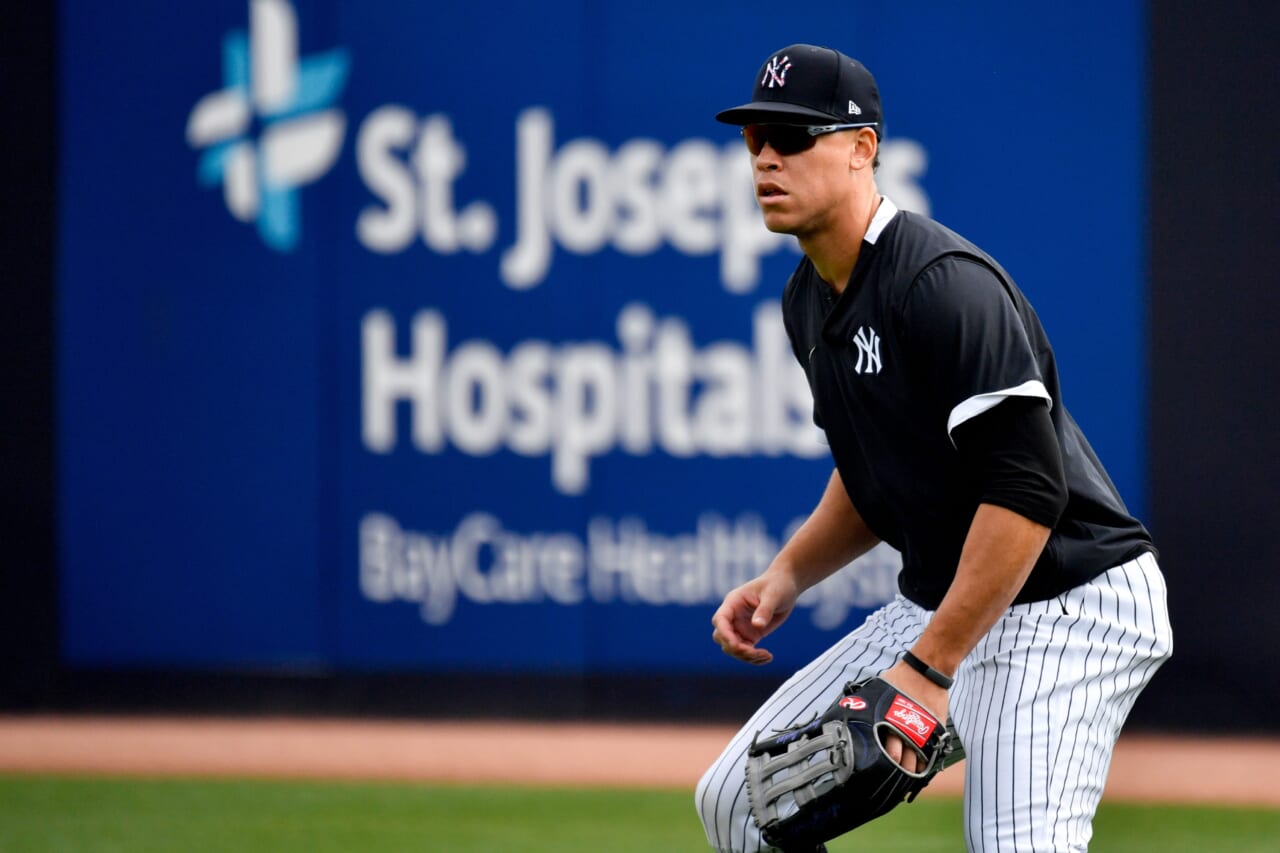
The New York Yankees face a challenging stretch in their 2026 season following the announcement that star outfielder Aaron Judge has been diagnosed with a stress fracture of the first rib on his right side. The organization confirmed the diagnosis on Thursday night, marking a significant blow to the team’s lineup as they head into a pivotal series of games.
For a team that relies heavily on its core offensive production, the absence of a player of Judge’s caliber creates an immediate void. As the Yankees prepare for their upcoming schedule—including a series against the Boston Red Sox—the club must now adjust its tactical approach to maintain momentum in a highly competitive American League landscape. The official New York Yankees schedule reflects the immediate intensity of the season, with the team balancing roster management and performance expectations during this period of uncertainty.
Impact on the Yankees’ Offensive Strategy
The loss of Aaron Judge is not merely a personnel change; it is a fundamental shift in how the Yankees approach their offensive output. In professional baseball, the removal of a primary power hitter from the lineup often necessitates a move toward a “small-ball” philosophy. This tactical pivot emphasizes base running, situational hitting, and defensive efficiency to compensate for the missing run-production typically provided by the middle of the order.
According to the latest New York Yankees team updates, the organization is currently evaluating its internal depth to mitigate the impact of this injury. The focus remains on maintaining the team’s standing as they navigate the immediate aftermath of the diagnostic confirmation. For fans and analysts alike, the coming days will be defined by how the remaining roster adapts to the challenge of replacing one of the game’s most formidable sluggers.
Navigating the 2026 Season
The timing of this injury coincides with a demanding portion of the Yankees’ calendar. As the team transitions into a series against divisional rivals, the pressure to perform while managing health concerns is paramount. The medical staff and front office have been monitoring the situation closely since the initial onset of discomfort, which preceded the formal announcement of the stress fracture.
While the specific timeline for a return remains a subject of ongoing evaluation, the team’s approach is centered on ensuring that the recovery process is handled with long-term health in mind. The resilience of the clubhouse will be tested, as it often is during the mid-season grind. The ability to integrate roster adjustments—potentially including the elevation of prospects or shifts in player roles—will be critical in the weeks ahead.
Key Considerations for the Clubhouse
- Roster Depth: The organization is looking to its farm system and secondary players to fill the gap in the outfield.
- Tactical Adjustments: Expect a shift in managerial decision-making, favoring strategic maneuvers over power-dependent scoring.
- Medical Oversight: The team is prioritizing a structured recovery plan to ensure the long-term viability of their star player.
Looking Ahead
The Yankees are scheduled to continue their campaign with a series at Yankee Stadium. As the team navigates this transition, the focus remains on the upcoming games and the collective performance of the squad. The organization has committed to providing updates as the situation evolves, and the coaching staff is expected to finalize lineup configurations in the lead-up to each matchup.

We will continue to monitor the official reports from the Yankees as they progress through their June schedule. The situation serves as a reminder of the inherent volatility of professional sports, where the health of key personnel can dictate the trajectory of an entire season. We encourage our readers to share their thoughts on how the team should adjust during this period in the comments section below.