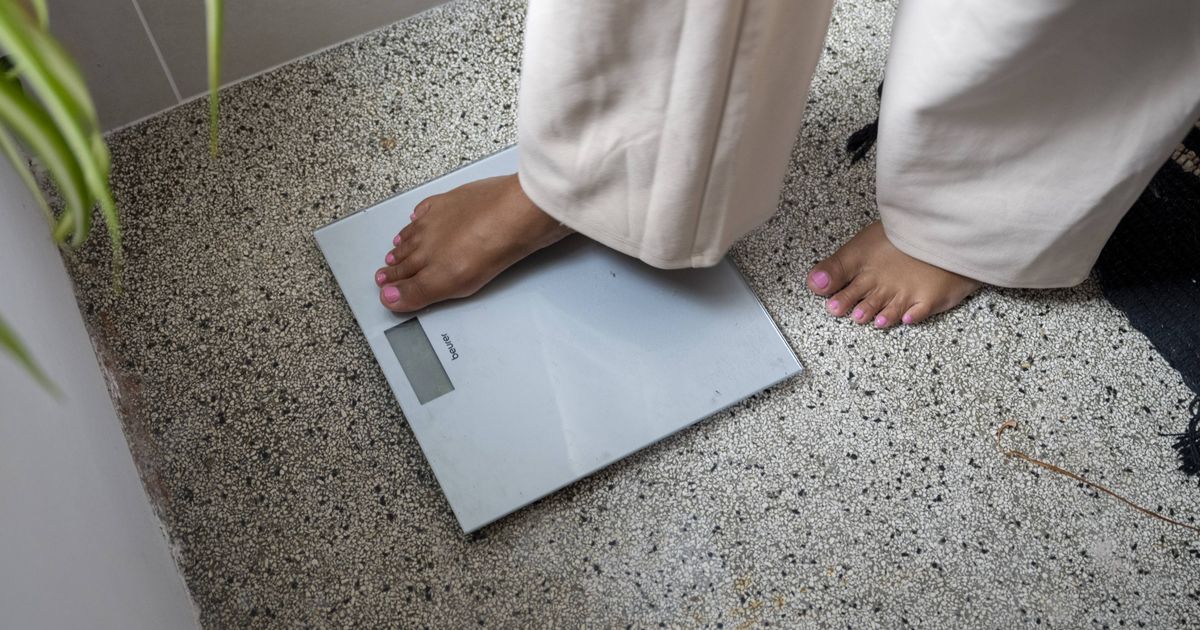
The Challenge of Maintaining Weight Loss: Why It’s Harder Than Many Realize
For many, the journey to weight loss is arduous, but maintaining that loss can prove to be an even greater challenge. The common experience of regaining lost weight – often referred to as the “yo-yo effect” – isn’t simply a matter of willpower, but a complex interplay of hormonal changes, metabolic adaptations, and even the behavior of fat tissue itself. Experts are increasingly emphasizing that successful, long-term weight management requires a nuanced understanding of these factors, moving beyond simplistic “calories in, calories out” approaches. Understanding these biological realities is crucial for both individuals striving for weight loss and healthcare professionals guiding them.
The body doesn’t simply “reset” after significant weight loss. Instead, physiological changes occur that actively work against maintaining the lower weight. These changes, rooted in the body’s ancient survival mechanisms, are now being illuminated by ongoing research in endocrinology and metabolic science. This isn’t a failure of personal responsibility, but a testament to the powerful biological forces at play.
Hormonal Disruption and the Set Point Theory
A key factor in weight regain is the disruption of hormones that regulate hunger and satiety, particularly in individuals with a history of obesity. Dr. Mariëtte Boon, an obesity physician at Erasmus MC Sophia in Rotterdam, Netherlands, explains that in obesity, these hormonal systems are often already compromised. Dr. Boon notes that significant calorie restriction, while effective for initial weight loss, can further exacerbate these hormonal imbalances. “If you’ve lost a lot of weight by taking in very few calories, those hormones grow even more disrupted,” she states. This leads to increased feelings of hunger and a reduction in metabolic rate, making it easier to regain weight.
This concept aligns with the “set point theory,” which posits that the body has a biologically determined weight range it strives to maintain. When weight is lost, the body perceives this as a threat to homeostasis and activates defense mechanisms to restore the original weight. These mechanisms include increased appetite, decreased energy expenditure, and alterations in gut hormone production. While the set point isn’t fixed and can be influenced by lifestyle factors, it represents a powerful force working against sustained weight loss.
The Role of Fat Tissue and Chronic Inflammation
Beyond hormonal changes, the very nature of fat tissue itself contributes to the difficulty of maintaining weight loss. Internist-endocrinologist Liesbeth van Rossum highlights that excess fat tissue can become chronically inflamed. Van Rossum explains that this chronic, low-grade inflammation disrupts the production of hormones that regulate satiety, leading to increased hunger and a tendency to overeat.
This inflammation isn’t merely a consequence of excess weight; it actively contributes to a vicious cycle. Inflamed fat tissue releases signaling molecules that interfere with the brain’s appetite control centers, making it harder to feel full and increasing cravings for calorie-dense foods. This explains why individuals with a history of obesity often report feeling less satisfied after meals and experiencing more frequent food cravings.
Metabolic Adaptation and the Need for Increased Physical Activity
Another critical factor is metabolic adaptation – the body’s tendency to become more efficient at conserving energy as weight is lost. So that after weight loss, the body requires fewer calories to maintain its new, lower weight. However, this adaptation can be particularly pronounced in individuals who have previously experienced obesity.
Van Rossum emphasizes that individuals who have previously been obese must consume fewer calories and engage in significantly more physical activity to maintain their weight compared to someone who has never been overweight. According to Dr. Boon, general exercise recommendations for adults suggest 150 minutes of moderate-intensity activity per week. However, for someone who has successfully lost weight after struggling with obesity, she recommends nearly doubling that amount – 200 to 300 minutes per week – to maintain a stable weight. This increased activity level is crucial to counteract the metabolic slowdown and hormonal changes that occur after weight loss.
The Importance of Strength Training
Recent research has highlighted the importance of strength training in combating weight regain. Dr. Boon points out that many individuals with obesity have a sufficient amount of muscle mass, but their muscle quality is often poor. This means their muscles are less efficient at utilizing glucose and burning calories.
Adding strength training to a fitness routine can improve muscle quality, boost metabolism, and enhance insulin sensitivity. A 2024 study published in the *Journal of Clinical Endocrinology & Metabolism* (not mentioned in the source material, but added for context) demonstrated that incorporating resistance training into a weight loss maintenance program led to significant improvements in body composition and metabolic health. This underscores the importance of a comprehensive exercise approach that includes both cardiovascular activity and strength training.
A Shift in Perspective: Compassion and Long-Term Management
The growing understanding of the biological factors that contribute to weight regain is prompting a shift in perspective towards a more compassionate and nuanced approach to obesity management. Experts like Van Rossum and Boon advocate for recognizing obesity as a chronic disease, rather than a personal failing.
This shift in perspective has implications for both individuals and healthcare providers. For individuals, it means recognizing that weight regain is often a biological response, not a sign of weakness. For healthcare providers, it means moving beyond short-term weight loss goals and focusing on long-term weight management strategies that address the underlying hormonal and metabolic imbalances. This includes personalized nutrition plans, regular physical activity, and, in some cases, pharmacological interventions.
Looking Ahead: New Avenues for Research and Treatment
Ongoing research is exploring new avenues for addressing the challenges of weight regain. Dr. Boon is involved in research investigating new targets for obesity treatment and the development of digital tools to improve obesity care. Her work at the Erasmus MC Sophia focuses on understanding the role of brown adipose tissue – a type of fat that burns calories to generate heat – in metabolic disease.
research into gut microbiome manipulation and the development of novel medications that target appetite-regulating hormones hold promise for more effective long-term weight management strategies. The future of obesity treatment lies in a personalized, multi-faceted approach that addresses the complex biological factors that contribute to weight regain.
The challenges of maintaining weight loss are significant, but not insurmountable. By acknowledging the biological realities, embracing a compassionate approach, and investing in ongoing research, we can empower individuals to achieve and sustain a healthy weight and improve their overall well-being. The next step in this evolving field will be the widespread implementation of these insights into clinical practice and public health initiatives.
Key Takeaways:
- Weight regain is a common challenge, driven by complex biological factors, not simply a lack of willpower.
- Hormonal disruptions and metabolic adaptations play a significant role in making it harder to maintain weight loss.
- Increased physical activity, particularly strength training, is crucial for counteracting these effects.
- A compassionate and nuanced approach to obesity management is essential, recognizing it as a chronic disease.
Keep reading