
As professional athletes and medical experts alike grapple with the physiological demands of extreme summer heat, the Yomiuri Giants are implementing a unique strategy at the Tokyo Dome. Starting in late May 2026, the team began raising the indoor temperature of the stadium by four degrees Celsius during pre-game practice sessions. This initiative is designed to promote “heat acclimatization,” a physiological process where the body gradually adapts to higher temperatures, thereby improving performance and safety during the grueling summer months of the professional baseball season.
Understanding Heat Acclimatization in Professional Sports
The practice of intentional heat exposure is a calculated effort by the team to prepare players for the high-intensity environment of mid-summer games. By increasing the ambient temperature, the organization aims to trigger the body’s natural cooling mechanisms, such as increased sweat rate and plasma volume expansion. According to internal reports from the team’s recent operations, this strategy is specifically intended to mitigate the physical toll of the summer heat, a period where the team faced significant challenges in win-loss records during the previous season.
The physiological goal is to ensure that when players transition to the intense heat of outdoor games or high-temperature environments, their bodies are already conditioned to manage the thermal stress. This process, often monitored by medical and training staff, allows athletes to maintain peak performance levels while minimizing the risk of heat-related illnesses, such as heat exhaustion or heat stroke.
The Tokyo Dome Environment: A Controlled Adjustment
The Tokyo Dome, typically known for its climate-controlled, cool interior, presents a unique setting for this training protocol. Observers noted that during the pre-game sessions, the environment feels significantly warmer, with players often training in layers—such as windbreakers or long-sleeved hoodies—to further encourage sweat production and heat adaptation. This “sweat-inducing” strategy is a deliberate team-wide approach to conditioning.
The versatility of the stadium’s climate control system is a critical component of this strategy. Once the Giants complete their pre-game practice, the temperature is adjusted back to standard levels before the visiting team begins their warm-ups. This rapid transition highlights the sophisticated air-conditioning infrastructure of the facility, allowing the venue to serve both as a training ground for heat tolerance and a comfortable environment for regulation play.
Strategic Preparation for the Summer Schedule
For the Yomiuri Giants, the move comes as a response to the physical and mental fatigue that often accompanies the “mid-summer slump.” By focusing on proactive physiological preparation in late spring and early June, the coaching and medical staff are attempting to build a foundation of endurance that will persist through the peak heat of July and August. This approach shifts the focus from reactive cooling measures to active, pre-emptive physical conditioning.
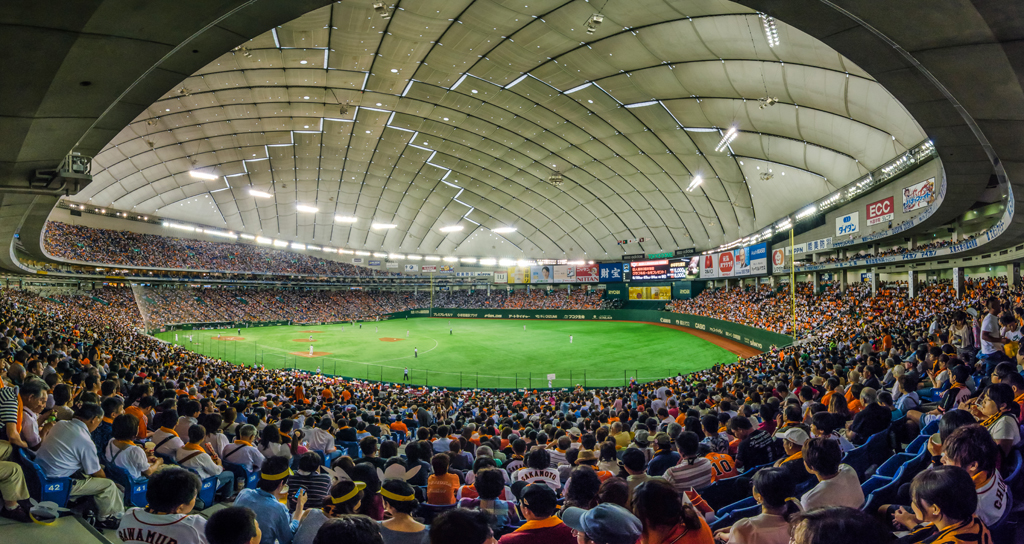
While the strategy is unconventional, it reflects a broader trend in professional sports where data-driven health and performance optimization take center stage. By utilizing the controlled environment of the Tokyo Dome, the team is effectively creating a “simulated summer” that allows players to adapt in a safe, monitored setting. As the professional baseball calendar progresses, the efficacy of this heat acclimatization program will be measured not only by the team’s physical resilience but also by their performance outcomes during the most challenging stretches of the 2026 season.
The organization continues to monitor player feedback and physiological markers as the season moves toward the summer months. Fans and analysts interested in the team’s ongoing progress can look for further official updates through the club’s public relations channels as the summer schedule intensifies. We encourage readers to share their thoughts on this innovative approach to athletic training in the comments section below.
Related reading