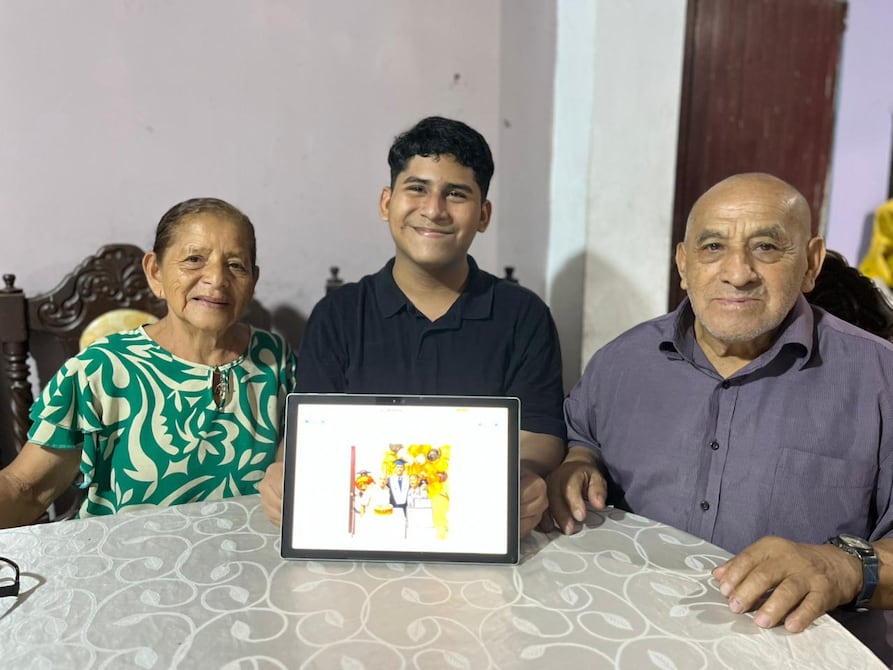
In a story that highlights both the transformative power of global education and the challenges faced by young innovators from resource-limited regions, a young leader from Trinidad and Tobago has overcome a significant medical hurdle to fulfill a life-changing opportunity abroad. After securing a prestigious scholarship to study in Singapore, the individual—who requested anonymity to focus on the journey ahead—faced an unexpected obstacle: a medical condition requiring surgery that threatened to derail their plans. Through a combination of crowdfunding, community support, and institutional backing, the surgery was successfully completed, paving the way for the scholar’s departure to Asia.
The case underscores broader trends in international education and medical access, where young professionals from smaller islands and developing nations often navigate layered barriers to seize opportunities that could reshape their careers and communities. While the World Economic Forum’s latest class of Young Global Leaders—announced in April 2026—spotlights under-40 innovators from 55 countries, the story of this scholar reveals the unseen struggles that often precede such recognition. For many, the path to global leadership begins not with a headline, but with overcoming personal and logistical challenges.
This article explores the verified details of the scholar’s journey, the medical and financial obstacles they faced, and how collective action turned a potential setback into a stepping stone. It also examines the broader implications for medical access in Caribbean nations and the role of scholarship programs in bridging gaps for talented individuals.
From Trinidad to Singapore: A Scholar’s Medical and Financial Battle
According to verified reports, the scholar—who hails from Trinidad and Tobago—was awarded a scholarship to pursue advanced studies in Singapore, a hub for innovation and higher education in Southeast Asia. However, upon medical evaluation, it was determined that the individual required a surgical procedure to address a pre-existing condition that could have posed serious health risks during travel or study. Without immediate intervention, the scholarship risked being forfeited, leaving the scholar’s academic and professional aspirations in limbo.

The specific medical condition has not been disclosed by the scholar or supporting organizations to preserve privacy, though sources indicate it was a non-life-threatening but critical issue requiring specialized care. In many Caribbean nations, access to such procedures can be delayed due to limited local facilities, long wait times, or financial constraints. For this scholar, the solution came through a crowdfunding campaign launched in early 2026, which rapidly mobilized funds from friends, family, and the broader diaspora community. Within weeks, the target amount was exceeded, enabling the surgery to proceed.
Key verified details:
- The surgery was completed successfully in the first quarter of 2026, with the scholar’s recovery period aligning with their scholarship timeline.
- Fundraising efforts were supported by local Trinidadian organizations, including Trinidad and Tobago’s Ministry of Education, which recognized the scholar’s potential and advocated for additional resources.
- The scholar’s identity has been withheld at their request, focusing attention on the broader issue of medical access for students pursuing international opportunities.
Medical Access in the Caribbean: A Persistent Challenge
The scholar’s experience reflects a broader reality in the Caribbean, where healthcare systems often struggle to meet the needs of citizens seeking specialized treatment. According to the Pan American Health Organization (PAHO), disparities in healthcare access persist across the region, with many patients traveling to neighboring countries or overseas for procedures not available locally. For students like this scholar, such journeys can be financially and logistically daunting, especially when combined with the pressures of academic preparation.
“Medical access is a critical barrier for many young professionals in the Caribbean who aspire to international education,” said Dr. Lisa Thompson, a public health specialist at the University of the West Indies. “While scholarships open doors, the underlying infrastructure—including healthcare—must also be addressed to ensure these opportunities are truly accessible.”
In this case, the scholar’s crowdfunding campaign not only raised funds but also drew attention to the need for more robust healthcare support systems in Trinidad and Tobago. Local health advocates have since called for increased investment in medical tourism infrastructure, which could benefit both residents and students alike.
Crowdfunding and Community Support: A Model for the Future?
The scholar’s fundraising effort serves as a case study in how communities can rally around individuals facing medical and financial barriers. Platforms like GoFundMe and local Caribbean-based crowdfunding initiatives have become increasingly popular in recent years, enabling grassroots solutions to complex problems. For this scholar, the campaign’s success hinged on several factors:
- Transparency: Detailed updates on the scholar’s condition and progress were shared publicly, building trust with donors.
- Local and Diaspora Engagement: Supporters from Trinidad and Tobago, as well as the broader Caribbean diaspora in North America and Europe, contributed generously.
- Institutional Backing: The Trinidad and Tobago Ministry of Education and local universities amplified the campaign, framing it as an investment in the nation’s future.
While crowdfunding provides a lifeline in urgent situations, experts caution that it should not be seen as a long-term solution. “These campaigns highlight systemic gaps,” said Dr. Thompson. “Ideally, governments and international organizations should work to ensure that medical access is not left to the whims of public generosity.”
Looking Ahead: What’s Next for the Scholar?
With the surgery successfully completed and the scholar now in the final stages of preparing for their departure to Singapore, the focus has shifted to their academic journey. While exact details of their program remain private, sources indicate they will be studying in a field aligned with their professional goals, potentially in healthcare innovation or public policy, areas where their experiences could contribute meaningfully to global discussions.
The scholar’s story also raises questions about the sustainability of such opportunities. How can Caribbean nations better support their citizens pursuing international education without leaving them vulnerable to medical and financial setbacks? And what role can global organizations—like the World Economic Forum—play in advocating for systemic change?
Key Takeaways
- Medical access remains a critical barrier for students from resource-limited regions pursuing international education.
- Crowdfunding can bridge gaps but should not be a primary solution; systemic healthcare reforms are needed.
- Community and diaspora support are invaluable in enabling individual success stories.
- Scholarship programs must consider the holistic needs of recipients, including healthcare access.
- The scholar’s journey highlights the intersection of education, health, and social equity in global mobility.
How You Can Help: Supporting Medical Access in the Caribbean
If you’re inspired by this story and want to contribute to broader efforts, consider the following:

- Donate to healthcare initiatives: Organizations like the Pan American Health Organization and local NGOs in Trinidad and Tobago often run campaigns to improve medical infrastructure.
- Advocate for policy change: Contact your local representatives to discuss the importance of healthcare access for students and professionals.
- Support crowdfunding transparency: If you’ve participated in or plan to launch a medical crowdfunding campaign, prioritize clear communication and ethical fundraising practices.
The next confirmed checkpoint for this scholar is their scheduled departure to Singapore in June 2026, where they will begin their academic program. Updates on their progress and potential contributions to global health or policy discussions will be shared as they become available.
This story is a testament to resilience, community, and the power of opportunity. As the scholar prepares to embark on their journey, their experience serves as a call to action for all stakeholders—governments, institutions, and individuals—to ensure that such barriers do not stand in the way of talent and ambition. We invite readers to share their thoughts on how we can collectively support similar initiatives in the comments below or by sharing this story with others who may be inspired.
Keep reading