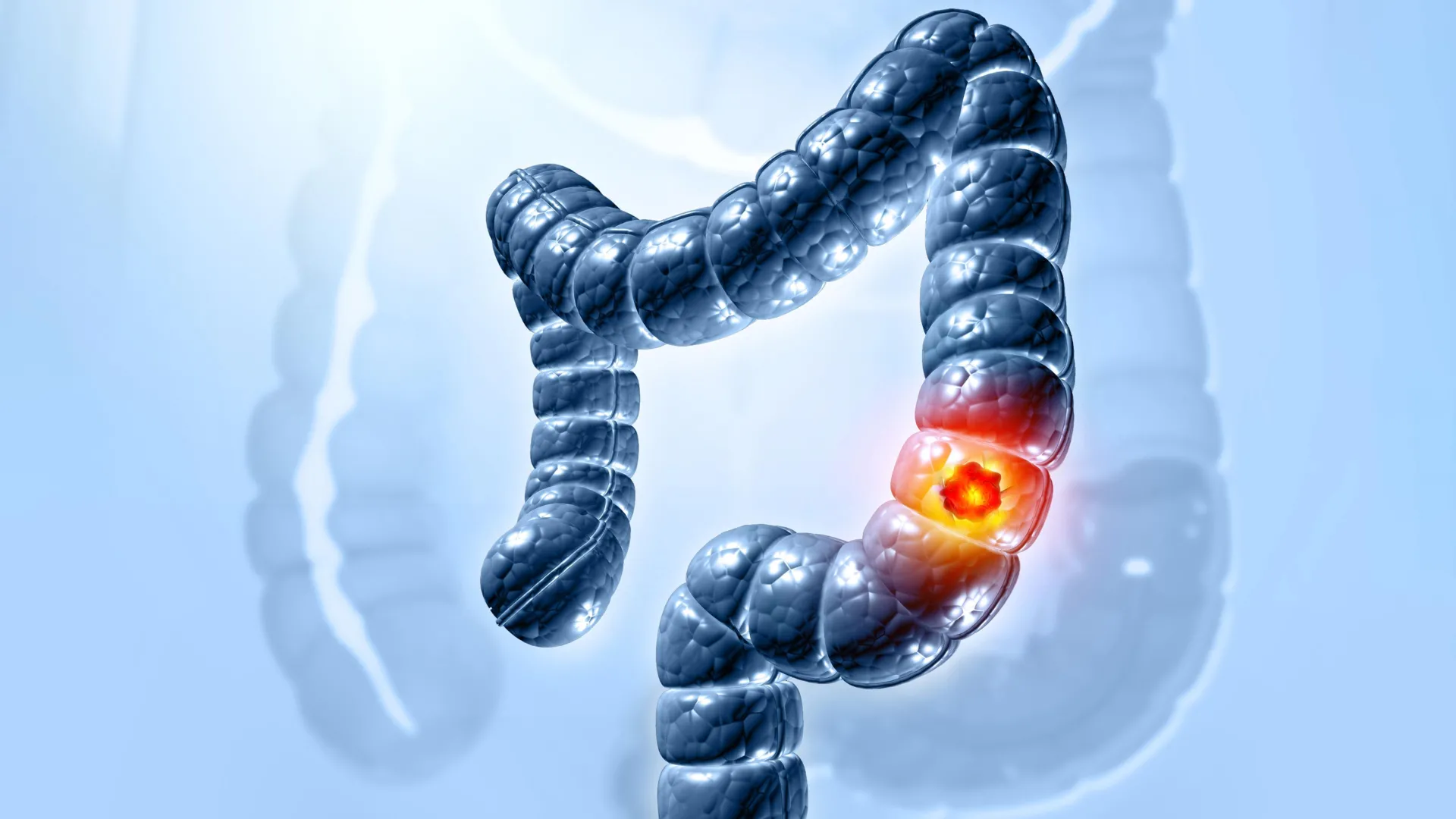
The Rising Tide of Colorectal cancer in Younger Adults: A Complete Guide to Understanding, Prevention, and Early Detection
Colorectal cancer (CRC) is increasingly recognized as a disease impacting not just older adults, but a growing number of individuals under 50. This shift demands a renewed focus on understanding the evolving risk factors, improving early detection strategies, and empowering both patients and healthcare providers with the knowledge needed to combat this concerning trend. This article provides a comprehensive overview of the current situation, drawing on recent research and expert insights to offer a clear path forward.
A Global Increase in Early-Onset CRC
For decades, CRC was largely considered a disease of aging. However, a significant international study published in The Lancet Oncology has definitively demonstrated a worrying rise in diagnoses among younger populations. Between 2013 and 2017, incidence rates increased in 27 out of 50 countries analyzed, spanning North America, Europe, Eastern Europe, South-Central and Southeastern Asia, and South America. This isn’t a localized phenomenon; it’s a global pattern signaling fundamental changes in the landscape of CRC risk.
As a practicing gastroenterologist with over 15 years of experience in preventative oncology, I’ve witnessed this shift firsthand. What was once rare – diagnosing CRC in a patient in their 30s or 40s – is becoming increasingly common, prompting a critical re-evaluation of screening guidelines and preventative measures.
The Interplay of Lifestyle, Diet, and Genetic Predisposition
The reasons behind this increase are multifaceted, but a strong consensus is emerging around the impact of modern lifestyles. several key factors are contributing to the rising rates:
* Dietary Shifts: A diet high in ultra-processed foods, red and processed meats, and sugary beverages is strongly linked to chronic inflammation – a known precursor to cancer. Studies, such as one conducted in Kazakhstan, highlight the extent of the problem, revealing meat consumption levels nearly double the recommended limits set by the World Cancer Research Fund, coupled with insufficient fish intake.
* Reduced Physical activity & Urban Living: Sedentary lifestyles and the prevalence of urban environments contribute to obesity and metabolic dysfunction, further exacerbating inflammation.
* environmental Exposures: While research is ongoing, emerging evidence suggests that environmental factors may also play a role.
* The Complex Role of Obesity: Obesity is a well-established risk factor, but its impact is nuanced. Interestingly, many CRC patients experience unintentional weight loss before diagnosis, suggesting that customary BMI-based risk assessments may underestimate the true impact of metabolic changes.
Though, lifestyle isn’t the whole story. Genetics play a crucial, and often overlooked, role, notably in early-onset cases.
The Genetic Component: Identifying and Managing Inherited Risk
According to Dr. Alexei Tsukanov, head of the Laboratory of genetics at the National Medical research Center for Radiology, a significant proportion of CRC diagnoses in younger adults are linked to inherited cancer syndromes like Lynch syndrome and familial adenomatous polyposis. These syndromes are caused by mutations in tumor suppressor genes, dramatically increasing the risk of developing CRC at a younger age.
This is where proactive genetic testing becomes paramount. “Identifying a hereditary mutation allows us to implement lifelong clinical monitoring and early intervention, significantly improving survival rates,” explains Dr. Tsukanov. For individuals with a family history of CRC, or those diagnosed at a young age, genetic counseling and testing are no longer optional - they are essential.
Advancements in Early Detection: Beyond Traditional Colonoscopies
Early detection remains the cornerstone of effective CRC management. While colonoscopy remains the gold standard for screening, new technologies are expanding our diagnostic toolkit:
* Stool DNA Methylation Tests: Innovative tests like BGI Genomics’ COLOTECT® Stool DNA Methylation Test offer a non-invasive approach to identifying CRC-related genetic markers (SDC2, ADHFE1, and PPP2R5C) in stool samples. this provides a convenient and accessible option for initial screening.
* Improved Colonoscopy Techniques: Advances in colonoscopy,including high-definition imaging and improved bowel preparation protocols,are enhancing the accuracy of detection.
However, the benefits of these advancements are only realized when screening is accessible and utilized.
Addressing Screening Gaps and Raising Public Awareness
A significant challenge lies in the uneven access to CRC screening globally. While some countries,like Kazakhstan,lithuania,Latvia,and Georgia,have established national screening programs,others rely on opportunistic testing,leaving many cases undetected until they reach advanced stages.
Jemma Arakelyan, an advisor at the Immune Oncology Research Institute and CEO of The Institute of Cancer and Crisis in Armenia, emphasizes the critical need for education. “To improve early detection, we must educate both healthcare providers and the public about the importance of screening.” This includes dispelling myths, addressing