
YouTube Premium just got more expensive again, marking another shift in the pricing landscape for the world’s most popular video-sharing platform. As consumers continue to navigate the complexities of the subscription economy, this latest adjustment reflects broader trends in how digital services are managing operational costs and content investment. For many, the value proposition of an ad-free experience, background play and offline downloads remains high, but these periodic price hikes are increasingly becoming a point of friction for household budgets.
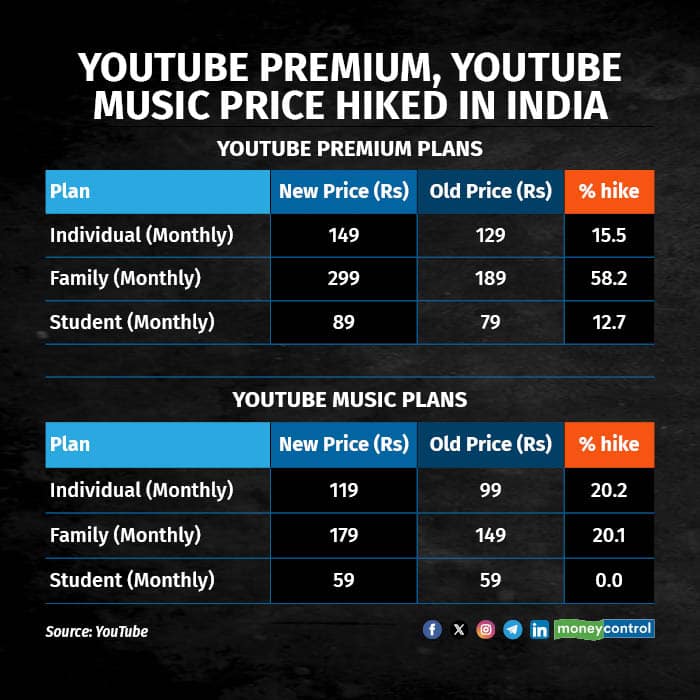
The updated pricing structure sees the individual YouTube Premium plan rise by $2 per month, moving from $13.99 to $15.99. Meanwhile, the Premium family plan—a popular choice for multi-user households that permits up to five members to stream simultaneously—has seen an increase from $22.99 to $26.99 per month. These changes arrive as part of a recurring pattern of adjustments across the streaming industry, where providers are balancing user growth with the need for increased average revenue per user (ARPU) to support ongoing infrastructure and creator payouts.
Understanding the Shift in Subscription Costs
The decision to adjust pricing is rarely made in a vacuum. For a platform like YouTube, which hosts an immense volume of user-generated content alongside professional media, the costs associated with server maintenance, bandwidth, and rights management are substantial. According to official statements from YouTube, these price changes are intended to help the service continue to support creators and improve the overall user experience. While the individual plan sees a moderate percentage increase, the family plan’s jump of $4 represents a more significant impact for those sharing the service across several devices.
these figures apply to standard monthly billing cycles. For users who prefer annual commitments, YouTube has historically offered discounted rates, though these are often subject to their own internal review cycles. If you are currently subscribed, it is advisable to check your account settings or billing email, as the company generally provides notice before the new rates take effect on your next scheduled billing date. You can verify your specific plan details by logging into your Google Account dashboard, which provides a centralized view of all active subscriptions and billing history.
Who Is Affected and What It Means for You
The impact of this price increase is felt most acutely by long-term subscribers who have grown accustomed to previous rate tiers. For the casual viewer, the free, ad-supported version of YouTube remains the primary entry point. However, for those who rely on Premium for daily music listening or ad-free long-form video consumption, the cost-to-value ratio is a personal calculation. The family plan, in particular, remains a competitive offering when compared to other major streaming services, even with the $26.99 monthly price point, provided that all five available “slots” are utilized by household members.

As a technology journalist, I often hear from readers concerned about the “subscription fatigue” that sets in when multiple services raise their prices simultaneously. To manage this, many users are now opting for a “rotation” strategy—subscribing to premium services for a few months to binge specific content or during periods of high usage, then pausing or canceling during quieter times. If you are considering managing your subscription, YouTube provides a straightforward cancellation process accessible through the YouTube Help Center, which also outlines the terms of service regarding refund eligibility and the grace period for billing cycles.
Looking Ahead: The Future of Digital Streaming
The streaming landscape is evolving rapidly. As platforms move toward more robust monetization models, we should expect to see continued experimentation with pricing, ad-supported tiers, and bundled services. YouTube’s strategy is unique because of its hybrid nature: it serves as both a social media hub and a premium content library. Whether this latest increase will lead to a churn in subscribers remains to be seen, but the company is prioritizing stable revenue growth to sustain its massive ecosystem.
For those looking to keep track of future changes, the best practice is to monitor the official YouTube Official Blog for announcements regarding feature rollouts and pricing updates. Companies are increasingly required by consumer protection laws in various jurisdictions to provide clear, advance notice of price hikes, so watch your registered email inbox for any correspondence from Google regarding changes to your specific billing agreement. As always, keeping an eye on your monthly digital spend is a vital part of modern financial literacy in the digital age.
What is your take on these latest price adjustments? Do you find the ad-free experience and extra features worth the $16 monthly investment, or are you reconsidering your digital subscriptions? I encourage you to share your thoughts in the comments section below as we continue to track how these shifts impact the global community of content creators and viewers alike.
Keep reading
- 12 Advancements In Battery Tech That Could Define The Next Decade
- Le Xiaomi 15T Pro a perdu presque 300 € de son prix pendant les soldes (dernières heures) – Ouest-France
- Wimbledon Golf Course Expansion Plans Unveiled (world-today-news.com)
- Trump’s Aircraft Delivery Push Led to Higher Costs and Safety Trade-offs (newsdirectory3.com)