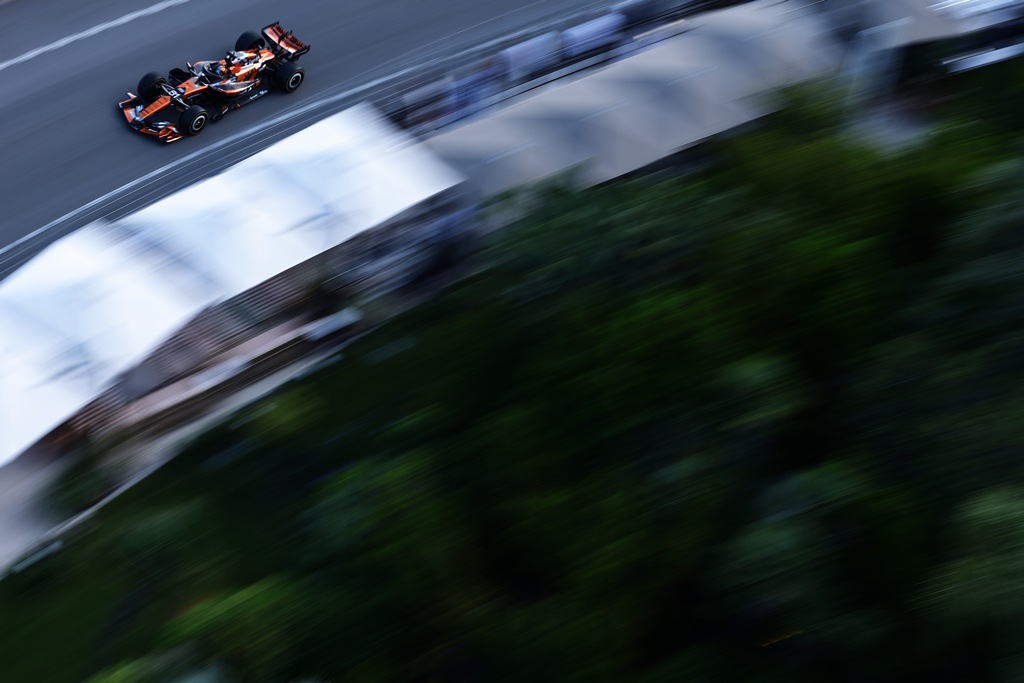
In the high-stakes environment of Formula 1, where every millisecond is scrutinized, the technical and regulatory landscape remains as competitive as the racing itself. Recent developments have brought McLaren Racing under the spotlight, not only for their ongoing efforts to close the performance gap to the front of the field but also due to a procedural regulatory matter involving cockpit equipment.
As the team navigates the complexities of the 2026 season, the focus remains on engineering excellence and strict adherence to the FIA’s rigorous technical regulations. The balancing act between pushing for maximum car performance and maintaining compliance is a challenge faced by every constructor on the grid, as underscored by the governing body’s recent monitoring of team equipment.
Technical Compliance and Regulatory Oversight in Formula 1
The FIA, the sport’s international governing body, enforces strict technical regulations to ensure fairness and safety across all participating teams. These mandates, documented in the FIA Formula 1 Technical Regulations, govern everything from the aerodynamic profile of the car to the specific layout and labeling of steering wheel components. When teams modify their equipment—even for the purpose of driver comfort or operational efficiency—they must ensure these changes do not violate the established standards for cockpit controls.
The recent administrative penalty issued to McLaren serves as a reminder of the precision required in the sport. The incident involved the placement of a sticker over a cockpit button, which was flagged by race officials for failing to meet the specific requirements for control identification and accessibility. According to the FIA official documents, all cockpit switches and buttons must be clearly marked and easily identifiable to the driver, as any ambiguity in high-pressure scenarios could pose a safety risk.
Closing the Performance Gap
Beyond the regulatory oversight, McLaren continues to pursue a significant performance deficit that has characterized their recent competitive trajectory. Engineering teams at the McLaren Technology Centre in Woking are currently tasked with finding gains in aerodynamic efficiency and power unit integration to bridge the gap to the championship leaders. The nature of F1 development is iterative, often requiring months of simulation, wind tunnel testing and track-side correlation to see tangible results on the stopwatch.

The pursuit of these incremental improvements is a standard feature of the sport, with teams frequently introducing upgrade packages throughout the season. These updates are governed by the Financial Regulations, which limit the amount a team can spend on research and development, forcing engineers to prioritize the most effective modifications. For McLaren, the objective remains clear: to optimize their chassis and engine mapping to ensure that their drivers can compete for podium finishes consistently.
What This Means for the 2026 Season
For fans and followers of the sport, these technical and regulatory updates provide a window into the behind-the-scenes work that defines a Grand Prix weekend. While a sticker-related penalty may seem minor in the context of a 24-race calendar, it highlights the uncompromising nature of the FIA’s scrutiny. As the season progresses, the ability of teams to manage these small, yet critical, details while simultaneously developing their car’s raw speed will likely determine the final standings.

The next major checkpoint for the team will be the upcoming race weekend, where technical delegates will once again conduct routine checks of all cars in the pit lane. These inspections ensure that any modifications made to address performance issues remain within the legal framework of the sport. As the season moves toward its next event, the competition on the track will be matched by the intensity of the engineering race back at the factory.
We invite our readers to share their thoughts on the current state of the competition and the impact of regulatory technicalities on the sport. How do you view the balance between innovation and regulation in modern Formula 1? Join the conversation in the comments section below.
Keep reading