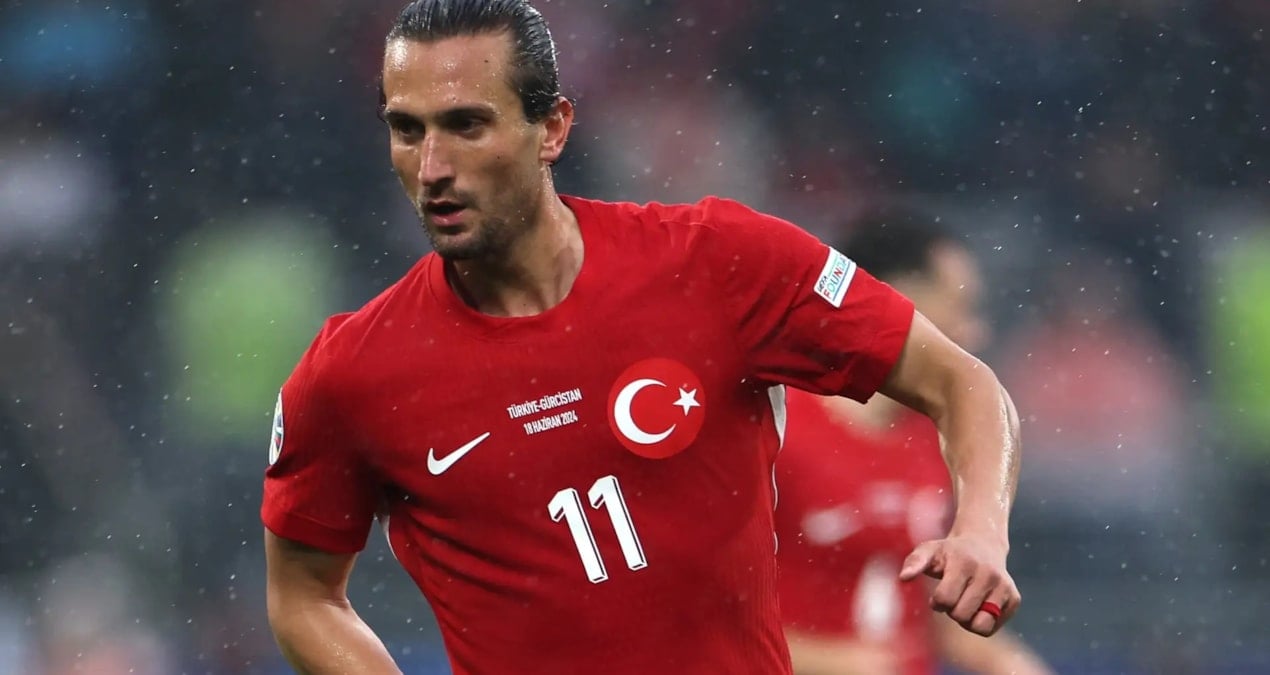
It is the news every professional athlete dreads, a sudden halt to momentum that transforms a season of ambition into a grueling journey of rehabilitation. For Yusuf Yazıcı, the talented playmaker currently with Olympiakos Piräus, the nightmare has returned in the most devastating form possible.
The Turkish international has suffered a severe cruciate ligament tear, an injury that not only sidelines a player for months but tests their psychological resilience. For Yazıcı, this is not an unfamiliar struggle, as he continues to battle a recurring history of physical setbacks that have frequently interrupted his peak years on the pitch.
The latest blow comes at a critical juncture for both the player and his club. An ACL injury is widely regarded as one of the most challenging hurdles in sports medicine, requiring surgical intervention and a meticulous, months-long recovery process to regain stability, strength and the explosive agility required for top-flight football.
The Latest Setback: A Long Road to Recovery
According to detailed injury records, Yazıcı sustained this latest cruciate ligament tear on October 27, 2024. The severity of the damage is reflected in the projected recovery timeline, with the player expected to remain unavailable until June 11, 2025. This window of absence spans approximately 228 days, resulting in 37 missed games for the Olympiakos squad Transfermarkt.
For a player of Yazıcı’s technical caliber, such a prolonged absence is a significant loss. His ability to dictate play and provide creative sparks from the midfield is a vital asset, and his absence leaves a void in the tactical setup of the Greek side. The recovery process for a cruciate ligament tear typically involves an initial phase of reducing swelling, followed by surgery, and then a gradual return to weight-bearing exercises and sport-specific drills.
A Pattern of Physical Struggles
While the current injury is the most pressing concern, a look at Yazıcı’s medical history reveals a career plagued by inconsistency due to health issues. This is not his first encounter with a major knee injury. he previously suffered a cruciate ligament tear starting on December 21, 2019, which kept him out of action for 129 days and resulted in 14 missed matches Transfermarkt.
Beyond the major ligament tears, Yazıcı has dealt with a variety of smaller but disruptive ailments that have prevented him from maintaining a consistent run of form. His injury log includes several bouts of muscular problems in 2023, back problems in May 2022, and an inner ligament stretch of the knee in September 2022 Transfermarkt.
The cumulative effect of these injuries—ranging from hamstring strains to respiratory illnesses like the coronavirus in 2021—has created a fragmented career trajectory. When a player suffers repeated injuries to the same area, such as the knee, the rehabilitation process becomes increasingly complex, as the joint may be more susceptible to further instability.
Impact on Club and National Team Aspirations
The timing of this injury is particularly cruel. For Olympiakos, losing a key creative engine mid-season disrupts strategic planning and forces the coaching staff to find immediate alternatives to fill the creative gap. In the competitive environment of European football, the loss of a primary playmaker can significantly impact a team’s ability to break down stubborn defenses.

On the international stage, the news is equally sobering. As a prominent figure for the Turkish national team, Yazıcı’s absence during key qualifying windows or tournament preparations diminishes Turkey’s tactical options. The psychological toll of missing major international milestones due to injury is often as heavy as the physical recovery itself.
Understanding the ACL Challenge
To understand why this injury is so catastrophic, one must look at the role of the anterior cruciate ligament (ACL). The ACL is crucial for stabilizing the knee joint, particularly during pivoting movements and sudden changes in direction—movements that are fundamental to a midfielder’s game. When this ligament tears, the knee loses its primary restraint against forward sliding of the tibia, making surgery and intensive physiotherapy mandatory for a return to professional sports.
What Happens Next?
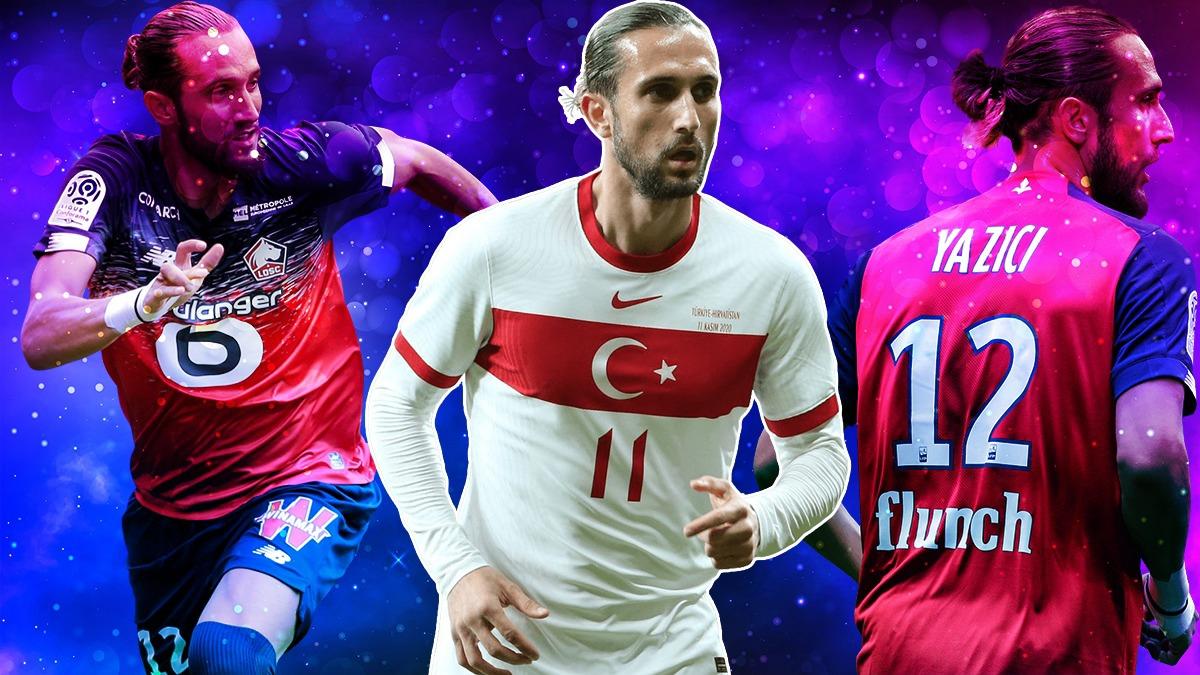
Yazıcı now enters a phase of intense sports rehabilitation. The primary goal will be to restore the range of motion in the knee and rebuild the quadriceps and hamstring muscles that often atrophy during the initial weeks of immobilization. His return to the pitch will not be a sudden event but a tiered process: first returning to individual training, then non-contact team drills, and finally full-contact match fitness.
The football world will be watching closely to see how the Turkish star handles this latest adversity. His career has been defined by flashes of brilliance interrupted by physical fragility; the coming months will determine if he can overcome this “injury nightmare” and reclaim his place at the top of the game.
The next confirmed checkpoint for Yazıcı will be his progress reports from the Olympiakos medical staff as he moves through the surgical and early rehabilitation phases toward his projected return in June 2025.
We want to hear from you. Do you think recurring ACL injuries can be fully overcome at the elite level, or does it permanently alter a player’s ceiling? Share your thoughts in the comments below.
Related reading