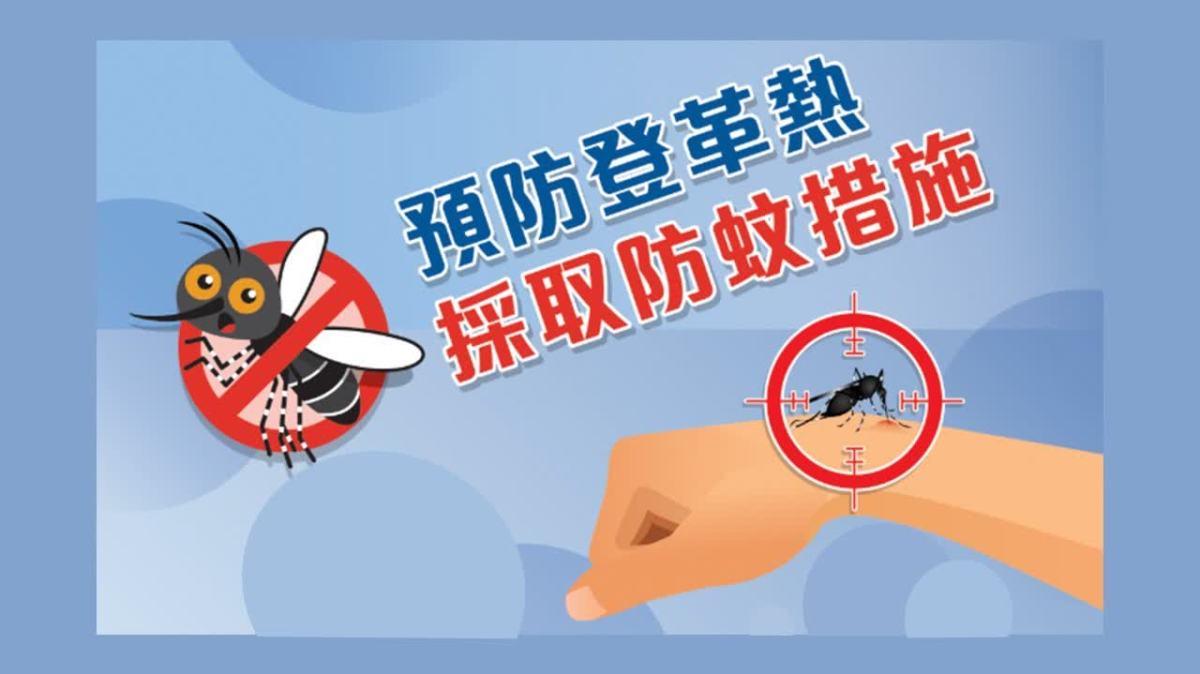
Hong Kong has formally expanded its strategic defenses against mosquito-borne illnesses with the launch of a comprehensive new health framework. On May 8, 2026, the Centre for Health Protection (CHP) of the Department of Health introduced the Preparedness and Response Plan for Dengue Fever (DF) and Chikungunya Fever (CF), a move designed to safeguard the city’s public health against these escalating viral threats.
As a physician with over a decade of experience in internal medicine and infectious diseases, I have seen how rapidly vector-borne diseases can shift in urban environments. The introduction of this joint plan reflects a critical evolution in Hong Kong’s public health strategy, moving from a single-disease focus to a more integrated approach that recognizes the shared transmission vectors of both Dengue, and Chikungunya.
The Hong Kong Dengue and Chikungunya Preparedness and Response Plan serves as a blueprint for the government, outlining a clear command structure and specific control measures that trigger based on different response levels. By establishing these thresholds, health authorities can implement early risk prevention and optimize their response arrangements in real-time, ensuring that resources are deployed efficiently the moment a significant threat to public health is detected.
The Framework of the New Response Plan
At its core, the new plan is designed to eliminate ambiguity during a health crisis. By defining a rigid command structure, the Department of Health ensures that various government departments and stakeholders are aligned in their actions. This systemic coordination is essential for vector control—the process of limiting or eradicating the mosquitoes that carry these viruses.
The plan specifically outlines “response levels,” which allow the Centre for Health Protection to scale its interventions. Depending on the severity of the outbreak or the level of risk, these measures can range from enhanced surveillance and public awareness campaigns to more aggressive mosquito eradication efforts and intensified clinical monitoring.
For the global community, this approach is a textbook example of proactive healthcare policy. Rather than reacting to an outbreak after cases spike, the plan provides a basis for early intervention, which is the most effective way to prevent the widespread transmission of mosquito-borne pathogens in densely populated urban centers.
Expanding the 2019 Dengue Strategy
This new initiative is not starting from scratch but is instead an evolution of previous efforts. The Hong Kong Special Administrative Region Government originally launched a specific Preparedness and Response Plan for DF in 2019. That initial framework focused on contingency arrangements to mitigate the threat of Dengue Fever and fostered interdepartmental collaboration to manage transmission risks.
The decision to integrate Chikungunya Fever into the current plan is a significant strategic shift. Both Dengue and Chikungunya are primarily transmitted by the Aedes species of mosquitoes. Because they share the same biological “vehicle” for transmission, it is medically and operationally logical to manage them under a single, unified response strategy. This integration allows the government to mobilize all sectors more effectively, utilizing a shared set of prevention and control measures.
By building upon the lessons learned since 2019, the Department of Health has strengthened the synergy between different government agencies, ensuring that the transition from “monitoring” to “active response” is seamless.
The Role of the Centre for Health Protection
The Centre for Health Protection (CHP) remains the primary engine for this operation. Beyond the launch of the plan, the CHP is responsible for the continuous monitoring of mosquito-borne disease trends. In conjunction with the plan’s rollout, the CHP has provided the latest updates on the current situation regarding both DF and CF to keep the public and medical professionals informed.
From a clinical perspective, the CHP’s role is twofold: surveillance and guidance. By tracking cases and identifying clusters, the CHP can direct vector control teams to specific high-risk areas. Simultaneously, they provide the necessary guidance to healthcare providers to ensure early diagnosis and appropriate management of patients presenting with symptoms of these fevers.
This dual approach—combining environmental control with clinical vigilance—is the gold standard for managing infectious diseases in a global hub like Hong Kong.
What This Means for Public Health
For residents and travelers, the implementation of the Preparedness and Response Plan for DF and CF means a more resilient health system. The primary goal is the effective safeguarding of public health through “early risk prevention.” When a government can identify a threat and trigger a pre-planned response, the likelihood of a large-scale epidemic is significantly reduced.
While the government manages the systemic response, individual prevention remains a cornerstone of public health. Mosquito-borne diseases are best fought through a combination of official policy and community action, such as eliminating stagnant water where mosquitoes breed and using approved repellents.
- Unified Response: Combines Dengue and Chikungunya management into one strategic framework.
- Scalable Action: Uses defined “response levels” to trigger specific control measures.
- Interdepartmental Synergy: Coordinates multiple government agencies for a more efficient public health defense.
- Evolutionary Approach: Expands upon the foundations of the original 2019 Dengue plan.
The launch of this plan is a vital step in maintaining the health security of one of the world’s most connected cities. By institutionalizing the response process, Hong Kong is better positioned to handle the complexities of modern infectious disease management.
The Centre for Health Protection will continue to provide updates on the status of mosquito-borne diseases as part of its ongoing surveillance. We will monitor these official updates closely as the plan is put into practice.
Do you have questions about protecting yourself from mosquito-borne illnesses or thoughts on how urban centers should handle these threats? Share your thoughts in the comments below.
Keep reading