AFL Faces Contract Crossroads: Long-Term Deals & The Looming Broadcast Revenue Question
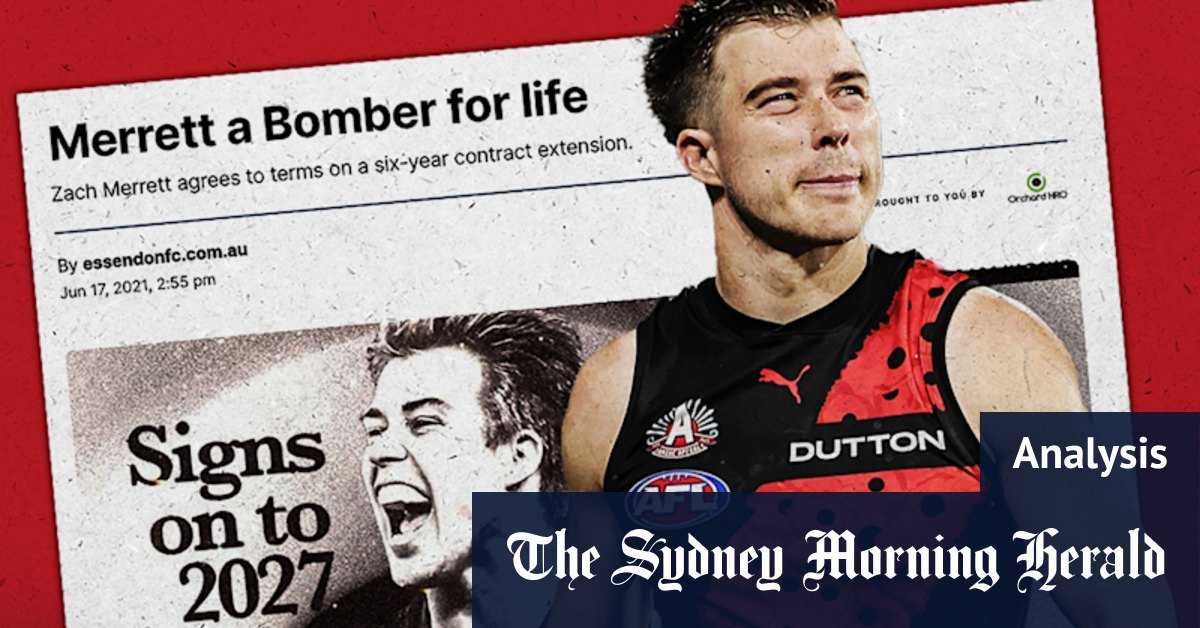
The recent AFL trade period wasn’t just about moving players; it highlighted a growing tension between clubs and players regarding long-term contracts. The league is seriously considering intervention, driven by concerns about financial stability as broadcast revenue landscapes shift. This isn’t simply about controlling player movement – it’s about safeguarding the future of the competition itself.
The Core Concern: Contracts Extending Beyond 2031
Currently,14 players are locked into contracts extending past 2031. This is the critical year, as it marks the end of the current broadcast deal fueling the AFL’s substantial revenue. With DAZN now owning Foxtel and a fragmented media market emerging, the AFL is understandably anxious.
The worry? clubs, especially those with tighter budgets, might be making financial promises they can’t keep if broadcast income declines. You can see why the league is proactively addressing this potential issue.
What’s Being Considered?
The AFL is exploring options to mitigate risk. Discussions are underway with clubs to determine what measures could be implemented to protect both the competition and individual teams. A key focus is on ensuring long-term financial viability for all clubs, not just the wealthiest ones.
Some hope the trade period’s activity – players seeking moves despite years remaining on their contracts – will encourage more cautious decision-making. Though, a prominent player manager, speaking anonymously, believes the market’s allure will be too strong for most players to resist.
The Power Shift: Clubs Asserting Control
What is changing is the willingness of clubs to leverage their power once a player is signed. We’re seeing a growing assertiveness in managing player contracts and trade requests.
Consider Port Adelaide’s zak Butters. He weighed the potential fallout of requesting a trade a year before free agency.Ultimately, he chose to wait, prioritizing the leverage that comes with being a free agent – a path previously taken by stars like Lance Franklin and Patrick Dangerfield.
Why This Trade Period Isn’t the Full Story
Don’t mistake this trade period as the sole catalyst for change. The real discussions will happen when the AFL negotiates with the players’ association. The focus will be on revising trading and contracting rules to promote greater equalisation across the league.
This is about more than just individual player contracts; it’s about the long-term health and competitiveness of the entire AFL system.
Battle Lines Drawn: A Fight is Inevitable
This year’s trade period clearly demonstrated a growing divide between clubs and players. A confrontation seems unavoidable as both sides navigate a changing landscape.
The AFL is facing a critical juncture. How it manages this situation will define the future of player contracts and, ultimately, the league’s financial stability.
Stay informed with extensive AFL coverage. Sign up for the Real Footy newsletter to receive the latest insights and analysis.
Keep reading
- High-Scoring Division III Clash: Grinnell, Greenville and Covenant Kick Off Season
- Best Boxing Fights to Watch in Summer 2026: Full Schedule and Preview
- Customer Strategy & Trade Marketing Manager Role at Unilever (Home Care) (newsdirectory3.com)
- Bloomberg: ‘The Opening Trade’ – Key Themes for Analysts and Investors (archynewsy.com)