Zanubrutinib Shows Promise in Chronic Lymphocytic Leukemia: New Data Suggests Progression-Free Survival Edge
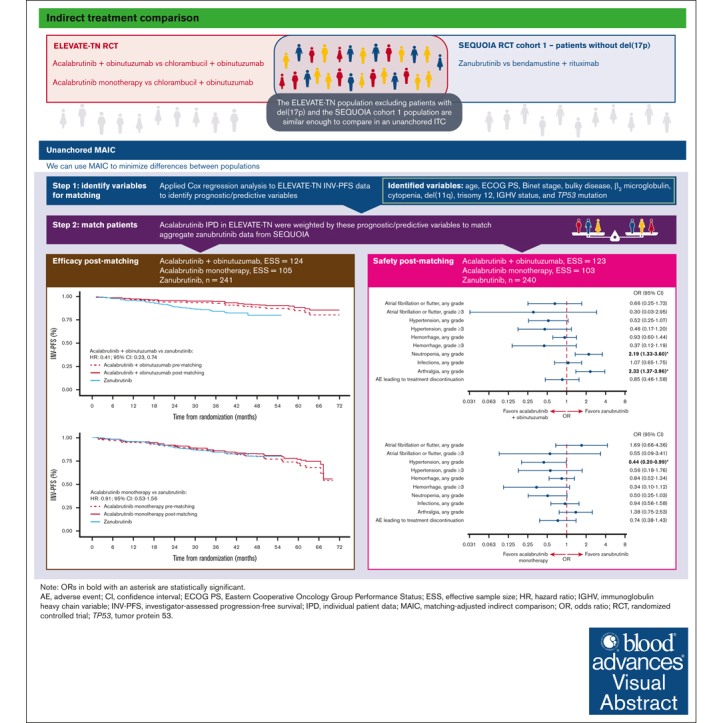
In a potential shift for the treatment of chronic lymphocytic leukemia (CLL), new research suggests that zanubrutinib, a next-generation BTK inhibitor, may offer superior progression-free survival (PFS) compared to a combination therapy of acalabrutinib plus venetoclax. The findings, derived from an indirect comparison of two large phase 3 clinical trials, could influence treatment guidelines for patients with previously untreated CLL, a slow-growing but incurable blood cancer that affects thousands worldwide each year.
For patients and clinicians, the stakes are high. CLL remains one of the most common types of leukemia in adults, with an estimated 20,000 new cases diagnosed annually in the U.S. Alone. Although current therapies have significantly improved outcomes, the search for more effective, tolerable, and convenient treatments continues. The latest data, presented at the 2026 American Society of Hematology (ASH) Annual Meeting, adds a new dimension to the conversation—suggesting that monotherapy with zanubrutinib may outperform a more complex combination regimen in certain patient populations.
Dr. Helena Fischer, Editor of Health at World Today Journal and a physician with over a decade of experience in internal medicine, notes: “These findings are particularly relevant for patients who may struggle with the side effects or logistical challenges of combination therapies. If confirmed in head-to-head trials, zanubrutinib could offer a simpler, yet equally or more effective, treatment option for newly diagnosed CLL patients without high-risk genetic markers.”
The Studies Behind the Findings
The indirect comparison draws on data from two landmark phase 3 trials: the SEQUOIA study (NCT03336333) and the AMPLIFY study (NCT03836261). Both trials evaluated different treatment approaches in patients with treatment-naive CLL, but they were not designed to directly compare zanubrutinib against the acalabrutinib-venetoclax combination. Instead, researchers used statistical methods to indirectly assess outcomes between the two regimens.
The SEQUOIA trial, which compared zanubrutinib (arm A) to bendamustine plus rituximab (BR, arm B) in patients without the high-risk genetic deletion del(17p), demonstrated that zanubrutinib significantly improved progression-free survival. According to the published results in Blood Advances, patients receiving zanubrutinib experienced a median PFS that was not reached after a median follow-up of 26.2 months, compared to 33.7 months for those on BR. The hazard ratio (HR) for progression or death was 0.42, favoring zanubrutinib with a p-value of less than 0.0001.
In contrast, the AMPLIFY trial evaluated the combination of acalabrutinib and venetoclax, with or without obinutuzumab, in a similar patient population. While the trial met its primary endpoint of improved PFS compared to chemoimmunotherapy, the indirect comparison with SEQUOIA’s zanubrutinib arm suggested that zanubrutinib may offer a slight edge in progression-free survival. However, experts caution that such indirect comparisons have limitations, as they do not account for differences in trial design, patient populations, or follow-up durations.
What the Data Means for Patients and Clinicians
For patients with treatment-naive CLL, the choice of therapy often depends on several factors, including age, overall health, genetic risk factors, and personal preferences. While combination therapies like acalabrutinib plus venetoclax have shown strong efficacy, they as well come with increased complexity, potential side effects, and higher costs. Zanubrutinib, as a single-agent oral therapy, offers a simpler regimen that may be more appealing to patients seeking convenience and tolerability.

The indirect comparison suggests that zanubrutinib may provide a higher probability of progression-free survival at 24 months compared to the combination therapy. Specifically, the analysis estimated a 24-month PFS rate of 94% for zanubrutinib, compared to 88% for acalabrutinib-venetoclax. While these differences are modest, they could be clinically meaningful for patients and their healthcare providers when weighing treatment options.
Dr. Fischer emphasizes the importance of individualized care: “No two patients are the same, and treatment decisions should always be made in consultation with a hematologist-oncologist. While these findings are encouraging, they are not definitive. Head-to-head trials are needed to confirm whether zanubrutinib truly offers a superior outcome compared to combination therapies.”
Safety and Tolerability: A Key Consideration
Beyond efficacy, the safety profile of a treatment is a critical factor in CLL management, particularly for older patients or those with comorbidities. In the SEQUOIA trial, zanubrutinib demonstrated a favorable safety profile, with common adverse events including bruising, diarrhea, and upper respiratory tract infections. Grade 3 or higher adverse events were reported in 58% of patients, with the most frequent being neutropenia and pneumonia.
The acalabrutinib-venetoclax combination, while effective, has been associated with a higher incidence of certain side effects, such as tumor lysis syndrome (TLS), a potentially life-threatening condition that occurs when cancer cells release their contents into the bloodstream. Venetoclax, a BCL-2 inhibitor, is particularly associated with TLS, requiring careful monitoring and dose adjustments during the initial weeks of treatment. In contrast, zanubrutinib does not carry the same risk, which may make it a safer option for some patients.
The Road Ahead: Ongoing Trials and Future Directions
While the indirect comparison provides valuable insights, the medical community is eagerly awaiting the results of head-to-head trials that directly compare zanubrutinib to combination therapies. One such trial, NCT07277231, is currently underway to evaluate the efficacy and safety of sonrotoclax (BGB-11417) plus zanubrutinib compared to venetoclax plus acalabrutinib in previously untreated CLL patients. This study, which began enrolling participants in late 2025, aims to provide more definitive answers about the relative benefits of these regimens.
In the meantime, the latest data adds to the growing body of evidence supporting the use of BTK inhibitors like zanubrutinib in CLL. Since its approval by the U.S. Food and Drug Administration (FDA) in 2019 for mantle cell lymphoma and later for CLL, zanubrutinib has gained traction as a well-tolerated and effective option for patients with B-cell malignancies. Its potential to outperform combination therapies in progression-free survival could further solidify its role in the first-line treatment of CLL.
Key Takeaways for Patients and Caregivers
- Zanubrutinib may offer superior progression-free survival compared to acalabrutinib plus venetoclax in treatment-naive CLL patients without del(17p), based on an indirect comparison of phase 3 trial data.
- Simpler treatment regimen: Zanubrutinib is a single-agent oral therapy, which may be more convenient and tolerable than combination therapies for some patients.
- Safety profile: Zanubrutinib does not carry the risk of tumor lysis syndrome, a concern with venetoclax-based regimens.
- Indirect comparisons have limitations: Head-to-head trials are needed to confirm these findings and provide more definitive guidance for clinicians.
- Individualized care is essential: Treatment decisions should be made in consultation with a hematologist-oncologist, taking into account the patient’s overall health, genetic risk factors, and personal preferences.
- Ongoing research: The results of the NCT07277231 trial, expected in the coming years, will provide further clarity on the relative benefits of zanubrutinib-based regimens.
What Patients Should Do Next
For patients with CLL, the latest findings underscore the importance of staying informed about emerging treatment options. If you or a loved one is newly diagnosed with CLL or considering a change in therapy, here are some steps to take:
- Consult your hematologist-oncologist: Discuss whether zanubrutinib or other BTK inhibitors might be appropriate for your specific situation.
- Ask about clinical trials: If you are interested in exploring new treatments, ask your doctor about ongoing clinical trials, such as NCT07277231, which may offer access to cutting-edge therapies.
- Stay updated on guidelines: Organizations like the Leukemia & Lymphoma Society (LLS) and the American Society of Hematology (ASH) provide resources and updates on CLL treatment options.
- Monitor for side effects: If you are currently on treatment, be vigilant about potential side effects and report any concerns to your healthcare team promptly.
Looking Forward: The Next Steps in CLL Research
The next major milestone in this area of research will likely come from the NCT07277231 trial, which is expected to complete enrollment in late 2026, with preliminary results anticipated in 2027. This trial will provide a direct comparison between sonrotoclax plus zanubrutinib and venetoclax plus acalabrutinib, offering more definitive answers about the relative efficacy and safety of these regimens.
In the meantime, the medical community will continue to analyze and debate the implications of the indirect comparison data. For now, the findings suggest that zanubrutinib could be a game-changer for many CLL patients, offering a potent, well-tolerated, and convenient treatment option. However, as with all medical advancements, the ultimate goal is to ensure that patients receive the most effective and personalized care possible.
As research in this field continues to evolve, World Today Journal will provide updates on the latest developments in CLL treatment. For more information on CLL and other blood cancers, visit our Blood Cancers section.
What are your thoughts on the latest advancements in CLL treatment? Share your experiences or questions in the comments below, and don’t forget to share this article with others who may find it helpful.
Worth a look