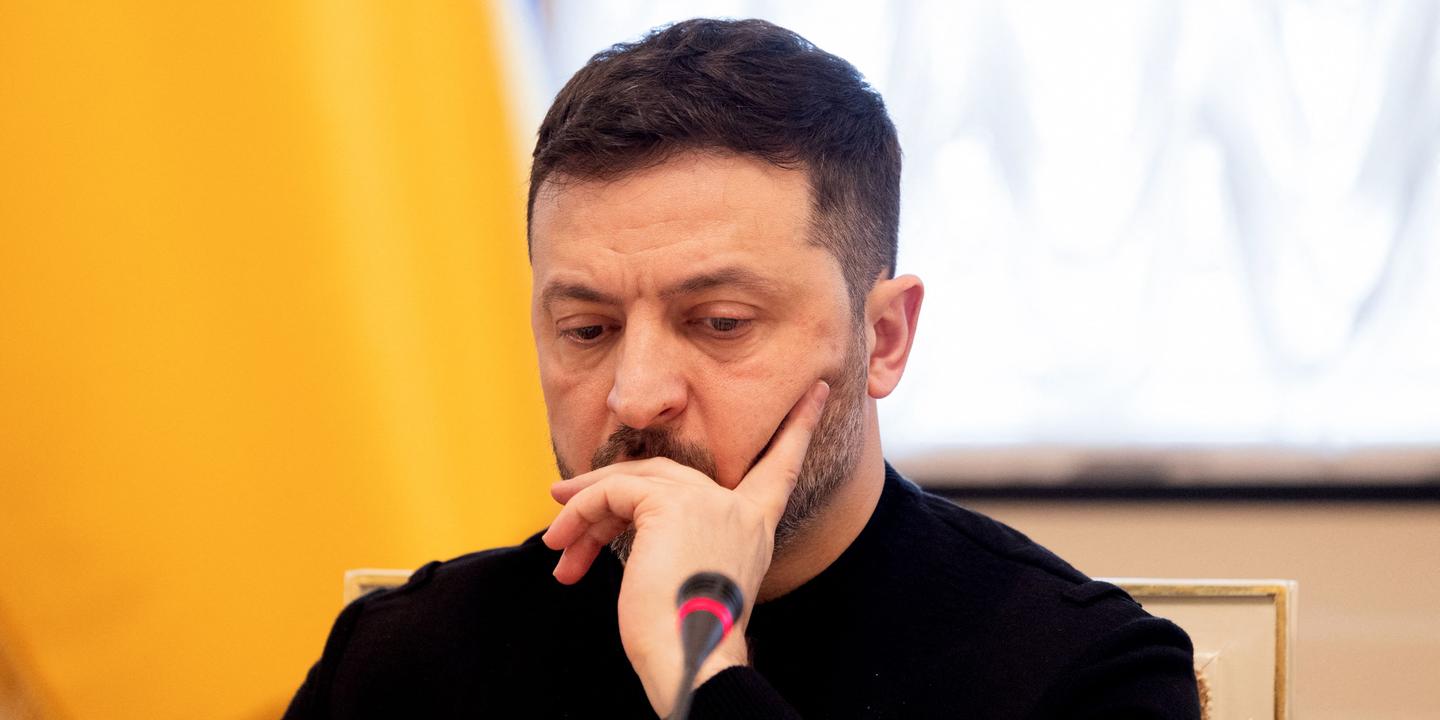
Kyiv, Ukraine – A diplomatic rift is widening between Ukraine and Hungary, prompting condemnation from the European Union after Ukrainian President Volodymyr Zelensky reportedly made threats against Hungarian Prime Minister Viktor Orbán. The escalating tensions stem from Orbán’s continued reluctance to provide further military aid to Ukraine and his obstruction of further EU funding packages, coupled with accusations of undermining international efforts to support Kyiv.
The dispute underscores the fragility of European unity in the face of Russia’s ongoing invasion of Ukraine, now entering its third year. While most EU member states have rallied behind Ukraine, Orbán has consistently maintained close ties with Moscow, raising concerns about his commitment to the bloc’s collective security interests. The situation is further complicated by the presence of a significant Hungarian minority in Ukraine, particularly in the Transcarpathian region, which has become a point of contention in bilateral relations.
Zelensky’s Remarks Spark EU Concern
Details surrounding Zelensky’s alleged threats remain somewhat opaque, but reports indicate the Ukrainian president made pointed remarks about Hungary’s position during a closed-door meeting with European leaders. While the exact wording has not been publicly released, sources within the EU have described the comments as “unacceptable” and a breach of diplomatic protocol. The European Commission has issued a statement expressing its “deep concern” over the situation and urging both sides to de-escalate tensions.
“The EU strongly condemns any threats or intimidation directed at member state leaders,” said European Commission spokesperson Peter Stano in a press briefing. “We expect all parties to engage in constructive dialogue and respect the principles of mutual respect and good faith.” Stano emphasized the importance of maintaining unity within the EU in supporting Ukraine and countering Russian aggression. The BBC reported on August 12, 2025, that Zelensky had ruled out ceding the Donbas region, a key point of contention in potential negotiations with Russia.
Orbán’s Stance and Hungarian Concerns
Viktor Orbán has long been a vocal critic of Western policies towards Russia, arguing that sanctions are ineffective and that dialogue is essential. He has repeatedly called for a ceasefire in Ukraine, even if it means territorial concessions to Russia. Orbán’s position is rooted in Hungary’s economic dependence on Russian energy and its historical ties with Moscow. He similarly claims to be protecting the rights of the Hungarian minority in Ukraine, alleging discrimination, and repression.
These claims have been vehemently denied by the Ukrainian government, which accuses Orbán of spreading disinformation and undermining its sovereignty. Kyiv insists that the rights of all its citizens, including Hungarians, are protected under Ukrainian law. However, tensions have flared over language laws and the treatment of Hungarian schools in Transcarpathia. Ukrinform reported that Zelensky stated Ukraine would not abandon the roughly 200,000 Ukrainians living in Donbas.
The Donbas Region: A Focal Point of Conflict
The Donbas region, comprising the Donetsk and Luhansk oblasts, has been at the center of the conflict between Ukraine and Russia since 2014. Following the 2014 Revolution of Dignity in Ukraine, Russia annexed Crimea and supported separatists in Donbas, leading to a protracted war that has claimed over 14,000 lives. Russia currently holds almost all of Luhansk and approximately 70% of Donetsk, but Ukrainian forces continue to resist in key areas.
Zelensky has repeatedly stated that Ukraine will not cede any territory to Russia, including the Donbas. He views the region as an integral part of Ukraine and is committed to restoring its territorial integrity. However, the ongoing fighting and Russia’s military superiority pose a significant challenge to this goal. The BBC also noted Russia’s troops made a sudden thrust near Dobropillya, advancing 10km in a short period of time in August 2025.
US Mediation and Potential Compromises
The United States has been actively involved in mediating between Ukraine and Russia, seeking a negotiated settlement to the conflict. The Trump administration has reportedly proposed a number of compromises, including the creation of a “free economic zone” in parts of the Donbas from which Ukrainian troops would withdraw. This proposal, however, has been met with resistance from both sides.
Ukraine is wary of ceding control of any territory, fearing it could embolden Russia and create a precedent for further aggression. Russia, is demanding full control of the Donbas and guarantees that Ukraine will never join NATO. CNN reported in December 2025 that Zelensky said questions remained over who would manage the territory under a free economic zone proposal.
The Free Economic Zone Proposal
The proposed “free economic zone” is intended to be a compromise solution that would allow Ukraine to maintain some level of economic influence in the Donbas while granting Russia greater political control. However, the details of the proposal remain unclear, and there are concerns about its feasibility and sustainability. Key questions remain about who would manage the zone, how it would be governed, and what legal framework would apply.
Zelensky has expressed skepticism about the proposal, noting that Russia has repeatedly refused to compromise and continues to demand Ukraine’s complete withdrawal from the Donbas. He has also raised concerns about the potential for the zone to become a haven for Russian-backed separatists and a base for future attacks.
EU Funding and Orbán’s Obstruction
The dispute between Ukraine and Hungary is also playing out within the EU, where Orbán is blocking a proposed €50 billion aid package for Ukraine. Orbán argues that the aid package is too large and that it does not include sufficient safeguards to prevent corruption. He has also demanded that the EU release funds that have been frozen due to concerns about rule of law violations in Hungary.
This obstruction has angered other EU member states, who accuse Orbán of holding Ukraine hostage to his own political agenda. Negotiations are ongoing, but a breakthrough remains elusive. The EU is exploring alternative ways to provide financial assistance to Ukraine, but these options are limited.
The Future of Ukraine-Hungary Relations
The current crisis in Ukraine-Hungary relations is likely to have long-term consequences for both countries. The mutual distrust and animosity that have been fueled by the conflict could take years to overcome. The EU’s role in mediating the dispute will be crucial, but its ability to do so is constrained by Orbán’s intransigence.
The situation is further complicated by the upcoming US presidential election in November 2024. A change in administration in Washington could alter the dynamics of the conflict and potentially lead to a shift in US policy towards Ukraine and Russia. The outcome of the election will be closely watched by both Kyiv and Moscow.
The next key development to watch is the upcoming European Council meeting in March, where EU leaders will attempt to reach a consensus on the aid package for Ukraine. The outcome of this meeting will be a critical test of European unity and its commitment to supporting Ukraine in its fight against Russian aggression. Readers can stay updated on the situation through official statements from the European Commission and the Ukrainian government.
Do you think the EU can overcome internal divisions to provide adequate support for Ukraine? Share your thoughts in the comments below.
Worth a look