Ukrainian President Volodymyr Zelenskyy has warned that Russia is attempting to draw Belarus into its war against Ukraine, citing recent military movements near the Belarus-Ukraine border as evidence of escalating pressure from Moscow. His remarks come amid growing international concern over the potential expansion of the conflict beyond Ukraine’s borders, particularly as Russian forces continue to face personnel shortages in their ongoing invasion.
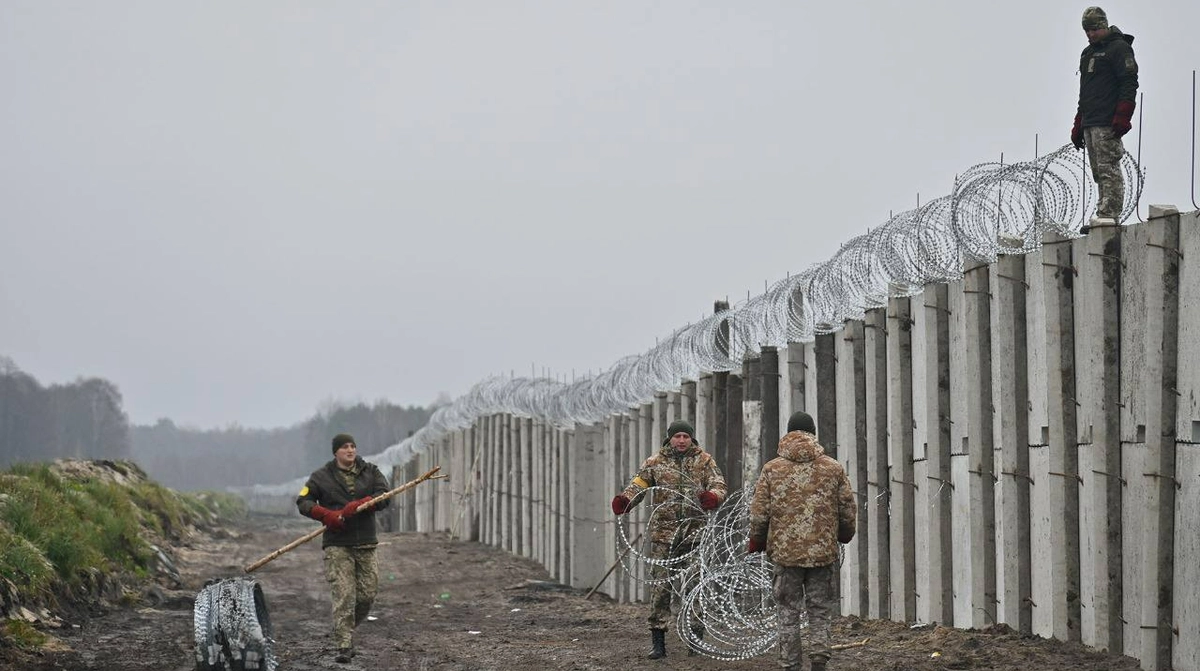
Zelenskyy specifically referenced intelligence reports indicating heightened activity by Belarusian armed forces in border regions, including the construction of roads and the establishment of artillery positions. He stated that these developments suggest Moscow is seeking to compensate for its own troop deficits by leveraging Belarusian military capabilities, a move he described as a potential “grave mistake” for Alexander Lukashenko’s regime.
The Ukrainian president drew a parallel between the current situation and recent political upheavals in Venezuela, urging Lukashenko to consider the fate of authoritarian leaders who have faced international isolation and domestic unrest following failed military ventures. “The character and consequences of recent events in Venezuela should restrain the Belarusian leadership from errors,” Zelenskyy said, emphasizing that Kyiv has already issued formal warnings to Minsk about the risks of direct involvement in the war.
These statements were made following a briefing from Ukraine’s Commander-in-Chief, Oleksandr Syrskyi, who reported abnormal movements of Belarusian military units near the frontier. According to Zelenskyy, the buildup includes logistical preparations such as road upgrades and artillery emplacements, which could facilitate a rapid deployment of Belarusian forces into combat operations against Ukraine if ordered by Moscow.
Analysts note that Belarus has so far avoided direct combat participation in Russia’s invasion, despite hosting Russian troops and serving as a launchpad for the initial assault on Kyiv in February 2022. However, persistent rumors of covert Minsk involvement, combined with visible infrastructure investments near the border, have raised alarms in Kyiv and Western capitals about a possible shift in Minsk’s stance under Kremlin pressure.
Russia’s reliance on Belarusian support stems from its own mounting manpower challenges, particularly as it prepares for anticipated spring and summer offensives. Ukrainian intelligence assessments suggest that Moscow views Belarus not as an equal ally but as a reservoir of personnel to be mobilized when Russian units suffer attrition—a dynamic that Zelenskyy characterized as exploitative and dangerous for Lukashenko’s long-term rule.
The Venezuelan reference appears to allude to the 2019 political crisis in Venezuela, when widespread opposition to Nicolás Maduro’s government intensified after a disputed presidential election, leading to international recognition of opposition leader Juan Guaidó as interim president by numerous countries. While Maduro ultimately retained power, the episode resulted in severe economic sanctions, diplomatic isolation, and sustained internal dissent—outcomes Zelenskyy implied could be replicated should Belarusian forces suffer significant losses in Ukraine.
To date, Belarusian officials have denied any plans to enter the conflict directly, with Lukashenko insisting that his country’s military is engaged only in defensive preparations. Nevertheless, satellite imagery and ground reports cited by Ukrainian authorities present ongoing work on dual-use infrastructure in the Brest and Gomel regions, areas proximate to Ukraine’s northern border, fueling speculation about offensive readiness.
Zelenskyy urged the international community to remain vigilant, warning that any Belarusian incursion into Ukrainian territory would constitute a major escalation with unpredictable consequences. He reiterated Ukraine’s readiness to defend its sovereignty “by force,” a statement underscoring Kyiv’s determination to resist further territorial losses regardless of the source of aggression.
The situation remains fluid, with no official confirmation from Minsk or Moscow regarding plans for Belarusian combat involvement. However, the convergence of intelligence reports, public statements from Ukrainian leadership, and observable military preparations suggests that the Kremlin is actively exploring options to expand its available manpower through coercion or persuasion of its closest ally.
As of this report, no Belarusian military units have been observed crossing into Ukrainian territory in a combat capacity. Kyiv continues to monitor the situation closely, relying on intelligence sharing with NATO partners to assess any changes in Minsk’s military posture or decision-making process under Russian influence.
For ongoing updates on this developing security situation, readers are encouraged to consult official statements from Ukraine’s National Security and Defense Council and verified reports from international monitoring organizations such as the Institute for the Study of War and the Conflict Intelligence Team.
What are your thoughts on the risk of Belarus being drawn into the war? Share your perspective in the comments below and assist spread awareness by sharing this article with others who seek reliable, up-to-date information on regional security developments.