Potential Western Troop Deployment in Ukraine: A Deep Dive into Security Guarantees and the Path to peace
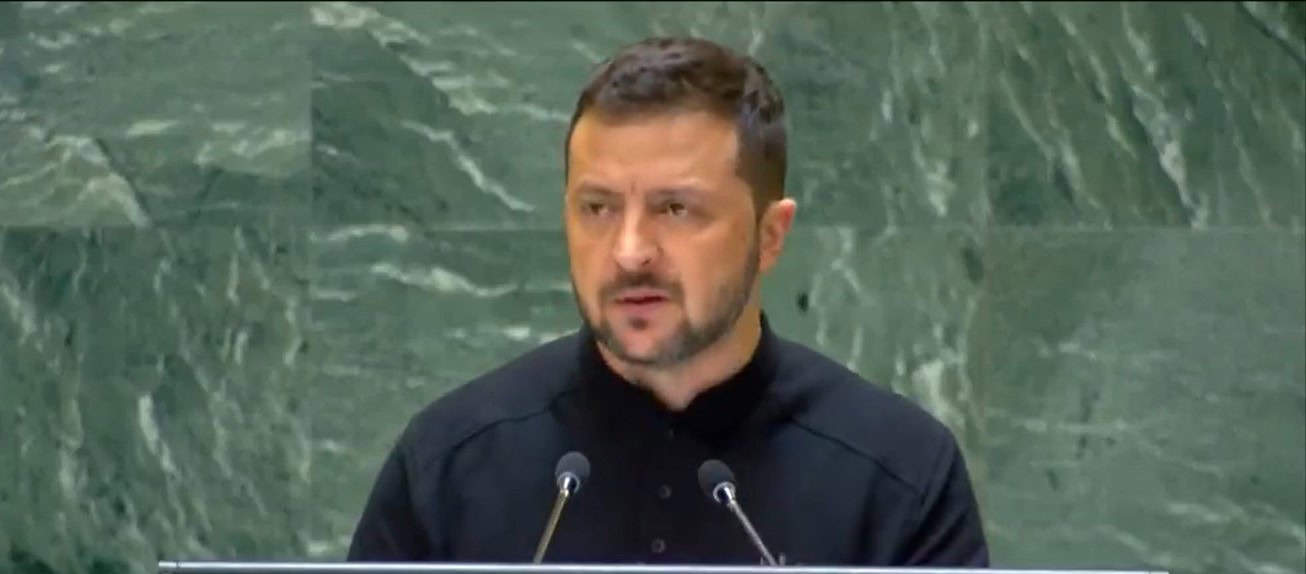
The possibility of a substantial Western military presence in Ukraine as part of future security arrangements has emerged as a key discussion point in the ongoing efforts to negotiate a peaceful resolution to the conflict with Russia. On September 5,2025,Ukrainian President Volodymyr Zelensky indicated that “thousands” of troops from Western nations coudl be deployed following a potential peace agreement,marking a meaningful shift in the conversation surrounding Ukraine’s long-term security. This advancement,revealed during a joint press conference with European council President Antonio Costa in western Ukraine,underscores the evolving strategies being considered to deter future aggression and ensure stability in the region. This article will explore the implications of this potential deployment, the context surrounding it, and the broader landscape of security guarantees for Ukraine.
The Zelensky Announcement: Scale and Context
During the aforementioned press conference, President Zelensky clarified that the anticipated number of troops would “definitely not be single digits, but in the thousands.” He cautioned, though, that it was premature to provide specific details, acknowledging that negotiations are still underway. This statement, reported by Insider Paper, represents a significant acknowledgement of Ukraine’s need for sustained security assistance even after a formal peace accord is reached.
Did You Know?
Recent polling data from the European council on Foreign Relations (ECFR), published in August 2025, indicates that public support for increased military aid to Ukraine remains strong in most EU member states, even though concerns about domestic economic conditions are growing.
The discussion around Western troop deployment isn’t new. For months, Ukrainian officials have been advocating for robust security guarantees, recognizing the limitations of the current security architecture. The initial framework, outlined in the July 2023 NATO Vilnius Summit, focused on a multi-tiered approach, including increased military aid, training programs, and intelligence sharing. However, Zelensky’s recent comments suggest a move towards a more direct and visible security presence. This shift likely reflects a growing concern about Russia’s potential to re-initiate hostilities and a desire for a more credible deterrent.
Security Guarantees: Beyond Military Aid
The concept of “security guarantees” extends far beyond simply providing weapons and financial assistance. It encompasses a range of commitments designed to protect Ukraine’s sovereignty and territorial integrity. These guarantees could include:
Bilateral Agreements: Direct treaties between Ukraine and individual nations, outlining specific obligations in the event of future aggression.
Multilateral Frameworks: Agreements involving multiple countries, perhaps under the auspices of organizations like the United Nations or NATO (though full NATO membership remains a complex issue).
Military Presence: As Zelensky suggested, the deployment of Western troops, potentially for training, monitoring, or rapid response capabilities.
Economic sanctions: Pre-defined economic penalties that would be imposed on Russia in the event of a violation of the peace agreement.
* Intelligence Sharing: Continued and enhanced collaboration on intelligence gathering and analysis.
Pro Tip:
Understanding the nuances of security guarantees is crucial. A ‘security guarantee’ isn’t always a legally binding commitment to military intervention. It can range from political statements of support to concrete pledges of defense assistance.
The challenge lies in crafting guarantees that are both credible enough to deter Russia and acceptable to Western nations, some of whom are hesitant to become directly involved in a potential conflict. The current geopolitical climate, marked by increasing global instability and the ongoing war in Gaza, further complicates the situation.
The Role of European Nations and the US
European Council President Antonio Costa’s presence at the press conference highlights the central role that the European Union is playing in shaping Ukraine’s future security landscape. Several EU member states, including Poland, the Baltic states, and Romania, have been vocal advocates for stronger security commitments to Ukraine. However, there are also divisions within the EU, with some countries prioritizing diplomatic solutions and expressing concerns about escalating tensions with Russia.
the United States’ position is equally critical.While the US has provided substantial military aid to Ukraine, there is ongoing debate within Washington about the extent of long-term security commitments. Recent statements from former President Trump, as reported
Keep reading