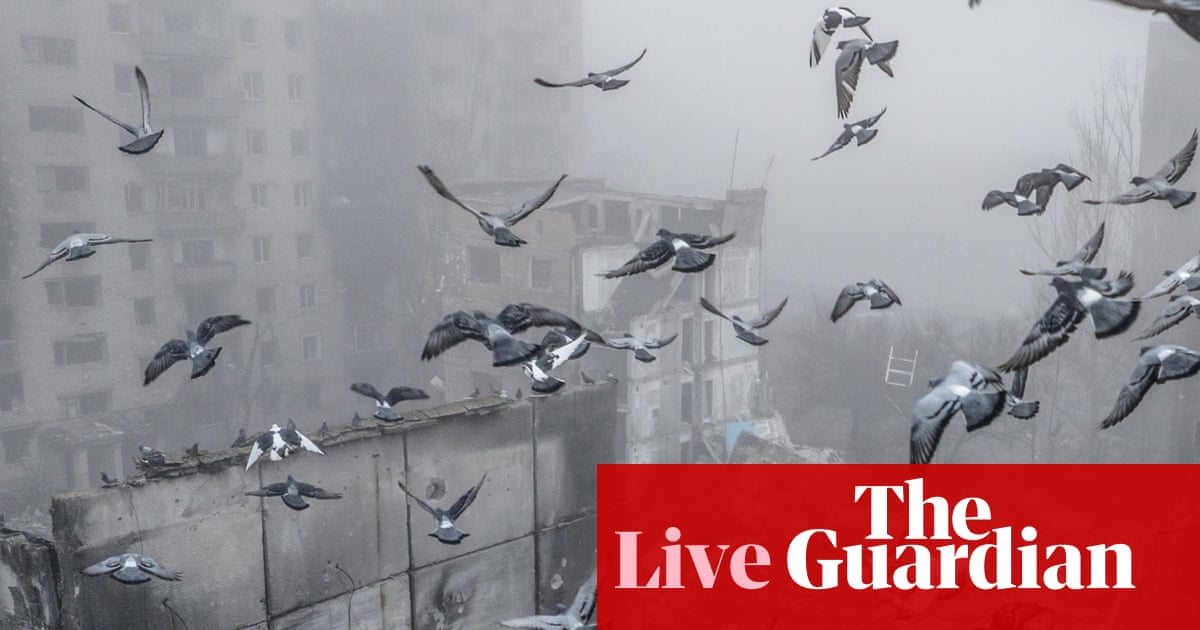
Zelenskyy‘s frantic diplomatic push comes as Western aid falters and Russia intensifies attacks.Ukraine‘s president is engaged in a high-stakes effort to secure continued support from key allies, particularly the United States and France. This comes amid growing concerns about the potential for a slowdown in crucial military and financial assistance.
Recent meetings with President Macron in Paris highlighted Ukraine’s urgent need for air defense systems and financial aid.Zelenskyy emphasized the critical importance of bolstering Ukraine’s defenses against relentless Russian aerial assaults. He warned that delays in aid deliveries are directly impacting the situation on the front lines.
The situation in the US is even more precarious. A $61 billion aid package for Ukraine remains stalled in Congress due to political disagreements. republicans are demanding stricter border security measures in exchange for their support. This impasse is causing significant anxiety in Kyiv and among Western allies.
Here’s a breakdown of the key developments:
* US aid Standoff: The delay in approving the aid package is creating a dangerous vulnerability for Ukraine. Without continued US assistance,Ukraine’s ability to defend itself will be severely compromised.
* French Support: France has pledged continued support, but the scale of assistance may not be sufficient to offset the potential loss of US aid. macron has been a vocal advocate for Ukraine, but faces domestic political constraints.
* Russian Offensive: Russia is exploiting the uncertainty surrounding Western aid by intensifying its attacks along the front lines. They are focusing on key areas in eastern Ukraine, attempting to gain territorial advantages.
* Diplomatic Efforts: Zelenskyy is actively engaging in shuttle diplomacy,meeting with leaders across Europe to rally support. He is attempting to persuade wavering allies to prioritize Ukraine’s needs.
I’ve found that understanding the nuances of these diplomatic efforts is crucial to grasping the full scope of the crisis.
Reports suggest that Jared Kushner’s recent visit to Moscow has raised eyebrows among Ukrainian officials and Western governments. Kushner, a former senior advisor to Donald Trump, reportedly met with Russian officials to discuss potential avenues for a negotiated settlement.
This has sparked concerns that Kushner may be attempting to undermine international efforts to support Ukraine. Critics argue that any negotiations with Russia should be contingent on a full withdrawal of Russian forces from Ukrainian territory.
Furthermore, Steve witkoff, a prominent American real estate developer, also visited Moscow.The purpose of his visit remains unclear, but it has fueled speculation about potential backchannel diplomacy.
Here’s what works best when analyzing these situations: consider the motivations of all parties involved.
The Kremlin, meanwhile, continues to signal its willingness to negotiate, but on terms that are unacceptable to Ukraine. Russia insists on recognizing its annexation of Crimea and demands guarantees that Ukraine will never join NATO.
Ukraine has repeatedly stated that it will not cede any territory to Russia and remains committed to its path towards european integration. This basic disagreement makes a negotiated settlement appear increasingly unlikely in the near term.
You should be aware that the situation is incredibly fluid and subject to rapid change. The coming weeks will be critical in determining the future of Ukraine and the broader geopolitical landscape.
The potential consequences of a failure to provide adequate support to Ukraine are far-reaching. A Russian victory could embolden other authoritarian regimes and undermine the rules-based international order.It could also lead to a humanitarian catastrophe and further destabilize Europe.
Therefore, continued Western support for Ukraine is not only a moral imperative but also a strategic necessity.It is essential to deter further Russian aggression and safeguard the principles of sovereignty and territorial integrity.