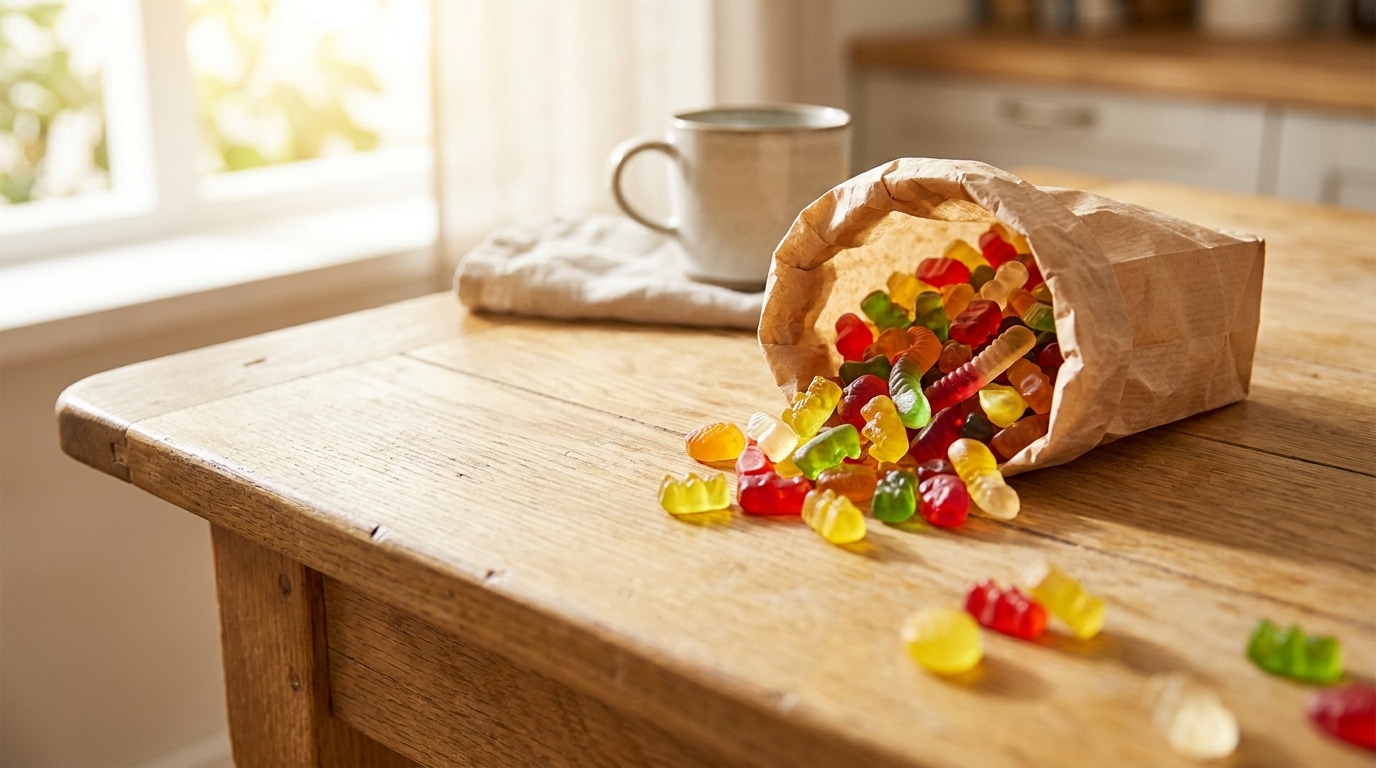
In the traditional landscape of confectionery, the sight of a “Nutri-Score A” label on a bag of sweets was once considered a nutritional oxymoron. For decades, the candy aisle was synonymous with high sugar content, empty calories, and the lowest possible ratings on health-focused labeling systems. However, a shift in product formulation is currently disrupting the status quo at major European retailers, most notably within the aisles of Carrefour.
Recent observations in the retail sector have highlighted a new breed of confectionery: sweets that boast a Nutri-Score A rating, containing as much as 26 grams of fiber per package and zero added sugars. This development is not merely a niche curiosity; it represents a significant intersection of food science, regulatory labeling, and the evolving consumer demand for “better-for-you” snacks. As these high-fiber, sugar-free alternatives move from specialty health stores into mainstream giants like Carrefour, they are challenging long-held perceptions of what constitutes a “treat.”
For the global consumer, this trend signals a broader movement within the functional food market—a sector where products are designed to provide health benefits beyond basic nutrition. The emergence of Nutri-Score A candies marks a pivotal moment for the confectionery industry, as brands race to balance the sensory pleasure of sweets with the increasingly stringent nutritional requirements of the modern shopper.
The Mechanics of the Nutri-Score: How Candy Reaches an ‘A’ Rating
To understand how a product traditionally viewed as “unhealthy” can achieve the highest possible nutritional grade, one must examine the algorithm behind the Nutri-Score labeling system. Developed in France and now widely utilized across Europe, the Nutri-Score uses a color-coded scale from A (green) to E (red) to provide a quick nutritional snapshot of food products.
The system operates on a points-based calculation. Negative points are assigned for high levels of energy (calories), saturated fats, sugars, and sodium. Conversely, positive points are awarded for high content of fruits, vegetables, pulses, nuts, and, crucially, dietary fiber and protein. In the case of these specific high-fiber candies, the mathematical balance shifts dramatically.
By replacing traditional sucrose or glucose syrups with high-fiber ingredients—such as chicory root fiber or other plant-based polysaccharides—manufacturers can significantly reduce the “sugar” penalty in the Nutri-Score algorithm. When a product contains a substantial amount of fiber, such as the 26 grams noted in recent retail reports, the positive points awarded for fiber can offset the caloric density, effectively pushing the product into the ‘A’ category. This technical loophole, or rather “nutritional innovation,” allows manufacturers to market products as being both indulgent and health-aligned.
However, nutritionists caution that a Nutri-Score A does not necessarily mean a product is a “health food” in the traditional sense. While the label indicates a better nutritional profile relative to other similar products, consumers should still remain mindful of total caloric intake, especially with products designed for high-frequency snacking.
Carrefour and the Strategic Shift Toward Food Transition
The presence of these innovative products in Carrefour’s inventory is no coincidence. The French multinational retail giant has been vocal about its corporate mission to lead the “food transition.” As the company seeks to adapt to changing production and consumption modes, its product assortment is increasingly reflecting the priorities of a health-conscious demographic.
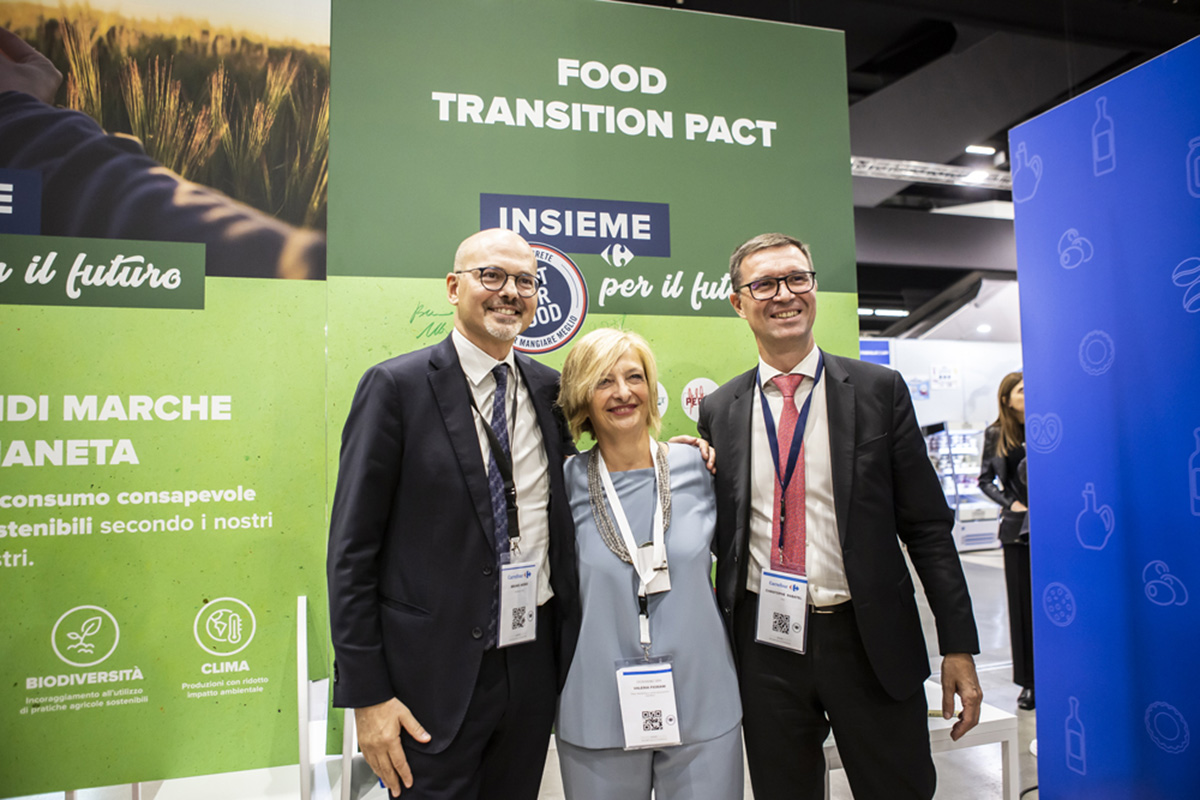
Carrefour’s strategic focus on the food transition involves more than just organic produce; it encompasses the entire spectrum of the grocery basket, including the snack and confectionery categories. By stocking high-fiber, zero-sugar alternatives, the retailer is positioning itself to capture the growing segment of consumers who are looking to reduce their sugar intake without sacrificing the convenience of snackable treats.
This alignment between retail availability and consumer health trends is a key component of modern retail strategy. For a company with a massive global footprint, including thousands of locations across Europe and South America, the ability to offer “guilt-free” versions of popular food categories is a powerful tool for customer retention and brand loyalty. As Carrefour continues to refine its product mix, the “better-for-you” category is expected to move from the periphery of the store to a more central role in the shopping experience.
The Economic Rise of Functional Confectionery
From a financial and market perspective, the rise of high-fiber, zero-sugar sweets is part of a much larger boom in the functional food market. Investors and analysts have noted a consistent upward trend in the valuation of companies that specialize in “clean label” and “functional” ingredients. The shift is driven by several macroeconomic factors:
- Changing Demographics: An aging population and a growing middle class in emerging markets are placing a higher premium on preventative health through diet.
- Regulatory Pressure: Increased scrutiny from health organizations and governments regarding sugar consumption is forcing manufacturers to reformulate products to avoid “sugar taxes” or negative labeling.
- Technological Advancement: Improvements in food science have made it possible to create textures and flavors using plant fibers and alternative sweeteners that closely mimic the mouthfeel of traditional sugar-based candies.
The confectionery industry is no longer just about sugar and fat; it is increasingly about biochemistry. The ability to engineer a product that satisfies a craving while maintaining a high nutritional score is becoming a significant competitive advantage. Companies that can master this balance are likely to see higher margins as consumers become willing to pay a “health premium” for products that align with their dietary goals.
Consumer Implications: Navigating the New Snack Landscape
For the shopper, the arrival of Nutri-Score A candies presents both opportunities and complexities. On one hand, the labeling provides a standardized way to make quicker, more informed decisions in a crowded marketplace. The technical nature of these scores can sometimes mask the complexity of food ingredients.
When evaluating these new types of snacks, consumers are encouraged to look beyond the front-of-pack label and examine the ingredient list. While a high fiber content is beneficial for digestive health and can aid in satiety, it is important to understand the source of that fiber and the types of sweeteners used (such as polyols), which can affect digestive comfort in some individuals.
The “zero added sugar” claim is particularly relevant in the current health climate. By utilizing fibers and natural extracts to provide sweetness and structure, these products offer a way to participate in the “sweet” experience while avoiding the metabolic spikes associated with refined sugars. This represents particularly appealing to individuals managing blood glucose levels or those following specific dietary protocols.
Key Takeaways for the Health-Conscious Shopper
| Feature | Nutritional Impact | Consumer Benefit |
|---|---|---|
| Nutri-Score A | Highest rating for nutritional quality. | Quick identification of healthier options. |
| High Fiber (e.g., 26g) | Promotes satiety and digestive health. | Reduces hunger pangs between meals. |
| Zero Added Sugar | Reduces glycemic load and empty calories. | Supports metabolic health and weight management. |
As the retail landscape continues to evolve, the presence of these products at Carrefour serves as a bellwether for the future of the grocery industry. The era of the “unhealthy treat” is being challenged by a new generation of scientifically formulated snacks that aim to prove that indulgence and nutrition do not have to be mutually exclusive.
We will continue to monitor retail developments and regulatory updates regarding food labeling in Europe. The next major checkpoint for this sector will be the upcoming discussions within the European Food Safety Authority (EFSA) regarding the continued use and potential expansion of front-of-pack labeling mandates.
What are your thoughts on the rise of “healthy” candies? Do you rely on Nutri-Score labels when shopping, or do you prefer to read the full ingredient list? Share your views in the comments below and share this article with your network.